Innterim Crypto Bridge: Web3 Guides and Crypto Insights from February 2025
When you're trying to make sense of Web3, the next generation of the internet built on decentralized blockchain networks. Also known as decentralized web, it's not just a buzzword—it's where your money, identity, and data start living under your control, not a company's. February 2025 was a quiet but meaningful month for people making the jump from traditional finance into crypto. No wild price spikes, no viral memecoins. Just steady, real progress: more users setting up wallets, more folks claiming airdrops they actually qualified for, and a growing number of people finally understanding how DeFi, a system of financial services built on blockchains without banks or middlemen. It lets you lend, borrow, and earn interest directly through smart contracts. works.
What stood out this month wasn’t hype—it was clarity. People stopped asking "What is a wallet?" and started asking "Which exchange actually gives me low fees and fast withdrawals?" The guides published this month focused on real friction points: how to check if you’re eligible for a crypto airdrop, a free distribution of tokens to wallet holders as a reward or marketing tactic. Often tied to using a specific app or holding a certain coin. without wasting gas fees, how to spot fake airdrop scams that steal private keys, and why some exchanges still lock your funds even when they say "no KYC." We didn’t just list tools—we showed you how to use them. One guide walked through setting up a non-custodial wallet on a budget phone. Another broke down how to track upcoming airdrops with zero subscriptions or email signups. These aren’t theory pieces. They’re checklists you can follow while waiting for your coffee to brew.
And it wasn’t just about tools. February also dug into the basics of blockchain, a digital ledger that records transactions across many computers so that records can’t be altered retroactively. It’s the foundation everything else runs on. without jargon. No "hash functions" or "proof-of-stake" deep dives. Just: "Why does your transaction take 12 seconds?", "Why can’t you undo a sent crypto payment?", and "What happens if you lose your recovery phrase?" These aren’t abstract questions—they’re the ones people ask right before they lose money. The posts this month answered them plainly, with examples you’ve probably seen in your own wallet.
If you’re reading this now, you’re likely one of the people who didn’t wait for the next bull run to get started. You’re the one who wants to know how to actually use crypto, not just buy it. What you’ll find below is a clean, no-nonsense collection of everything we published in February 2025: step-by-step walkthroughs, verified airdrop lists, exchange comparisons, and simple explanations that stick. No fluff. No recycled content. Just what worked for real users last month—and what you can use today.
Crypto.com is a top crypto exchange with strong security, a user-friendly app, and cash-back cards-but hidden spreads and CRO dependency make it less ideal for advanced traders. Here's the real 2025 review.
17 Feb
2025
Discover the best countries for crypto trading in 2025 where low taxes, clear regulations, and strong infrastructure make trading safer and more profitable. From Switzerland's legal clarity to the UAE's zero-tax policy, find where to maximize your returns.
There is no official Ariva (ARV) x CoinMarketCap airdrop. Learn why this claim is a scam, what ARV really is, how to spot fake airdrops, and where to find real ones instead.
Stader (SD) is a multi-chain liquid staking token that lets you earn rewards on ETH, Polygon, BNB Chain, and more without locking your coins. Learn how it works, why SD has value, and whether it's right for you.
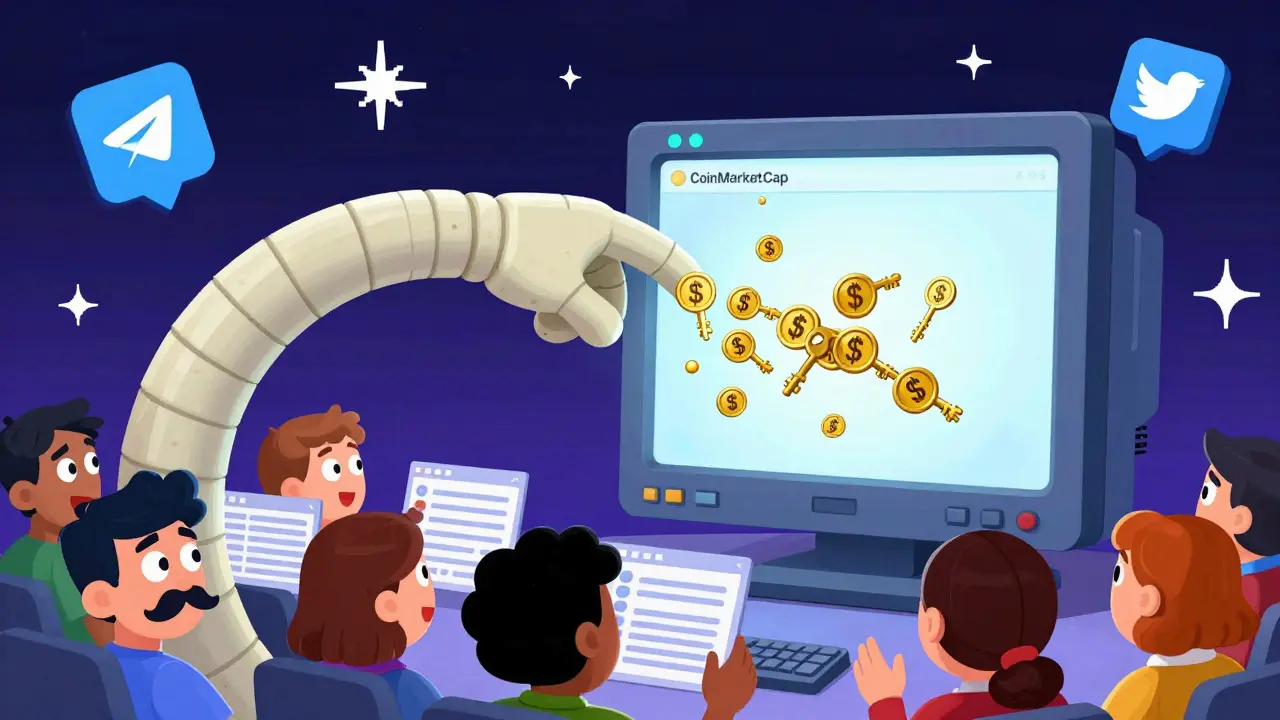
The Impossible Finance x CoinMarketCap airdrop distributed $20,000 in IF tokens to 2,000 winners. Learn how it worked, why it wasn’t about free cash, and what it meant for future IDO access.
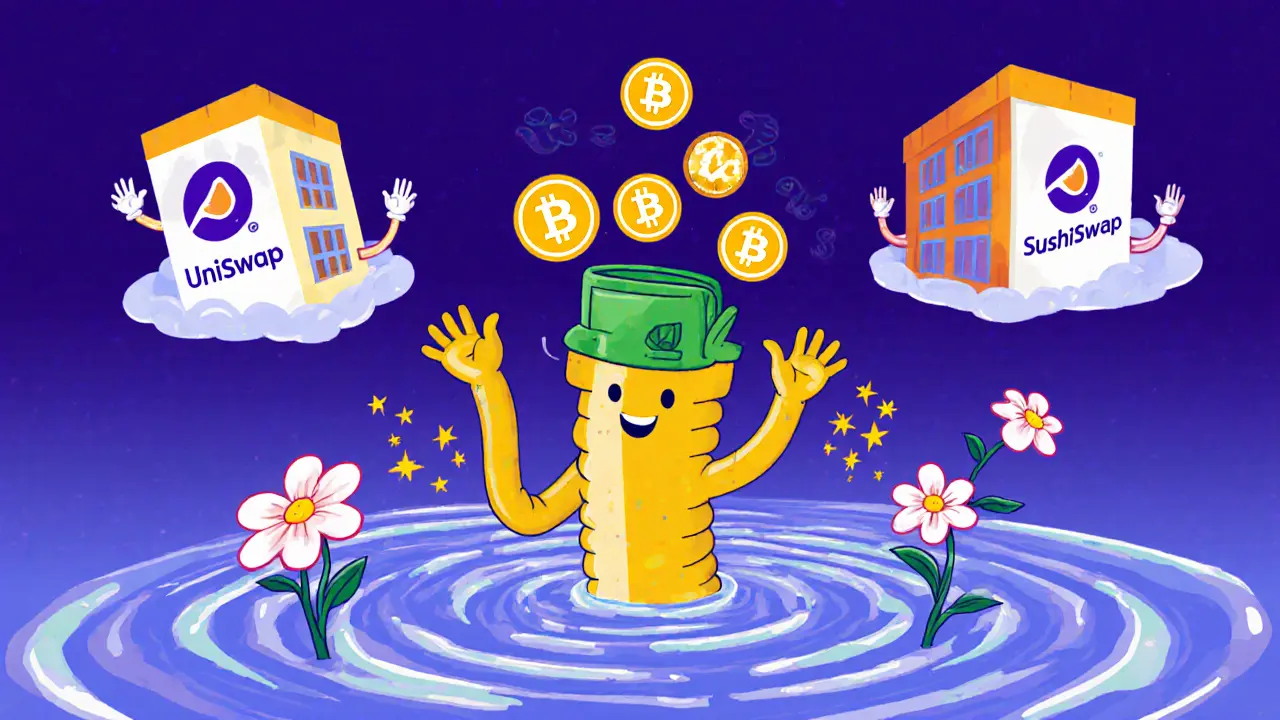
Yield farming lets you earn crypto by lending tokens to DeFi platforms. It offers high rewards but comes with risks like impermanent loss and smart contract failures. Learn how it works, where to start safely, and what’s changed since 2021.