BEP-20 Token: What It Is, How It Works, and Why It Matters in Crypto
When you buy a token on Binance Smart Chain, you’re almost always dealing with a BEP-20 token, a standardized digital asset built on the Binance Smart Chain network that enables fast, low-cost transfers and smart contract interactions. Also known as BSC token, it’s the backbone of most DeFi projects, yield farms, and meme coins you see today. Unlike Bitcoin, which is its own blockchain, BEP-20 tokens run on top of Binance Smart Chain—making them easier and cheaper to create than tokens on Ethereum. This is why you see so many new coins launch as BEP-20: developers save time, users pay less in fees, and trading moves faster.
The BEP-20 standard is built to be compatible with Ethereum’s ERC-20, meaning wallets like MetaMask and Trust Wallet support both without extra setup. But here’s the real difference: while Ethereum struggles with high gas fees during peaks, BEP-20 transactions cost pennies and confirm in under 3 seconds. That’s why projects like PancakeSwap, Venus, and dozens of airdrops you’ve heard about—like SAKE or GZONE—use BEP-20. It’s not just a technical detail; it’s what makes crypto accessible to everyday users who don’t want to pay $50 just to swap two tokens.
Behind every BEP-20 token is a smart contract, a self-executing code on the Binance Smart Chain that defines how the token behaves—like how many exist, who can transfer it, and whether it earns rewards. That’s also why some BEP-20 tokens turn out to be scams: if the contract has no audit, no locked liquidity, or hidden admin keys, your money can vanish overnight. That’s why posts here dig into tokens like Beckos (BECKOS) or PLGR—not to promote them, but to show you what red flags look like when the code isn’t transparent. And because BEP-20 is so popular, it’s also the main target for phishing scams, fake airdrops, and rug pulls. Knowing how it works helps you spot the fakes before you click.
It’s not just about trading. BEP-20 tokens power real use cases: staking rewards, governance votes, NFT marketplaces, and even cross-chain bridges that move value between Ethereum and Binance Smart Chain. You’ll find posts here explaining how to qualify for SAKE airdrops, why GORA uses Algorand instead, and how to avoid scams like VDV VIRVIA—all of which rely on understanding the basics of token standards. If you’re using a wallet, joining a DeFi protocol, or chasing free tokens, you’re interacting with BEP-20 more than you realize.
So if you’ve ever wondered why your token shows up as BEP-20 in your wallet, or why some coins are cheaper to trade than others, the answer starts here. Below, you’ll find real-world breakdowns of tokens built on this standard, deep dives into the risks, and clear guides on how to use them safely. No fluff. Just what you need to know before you send your next transaction.
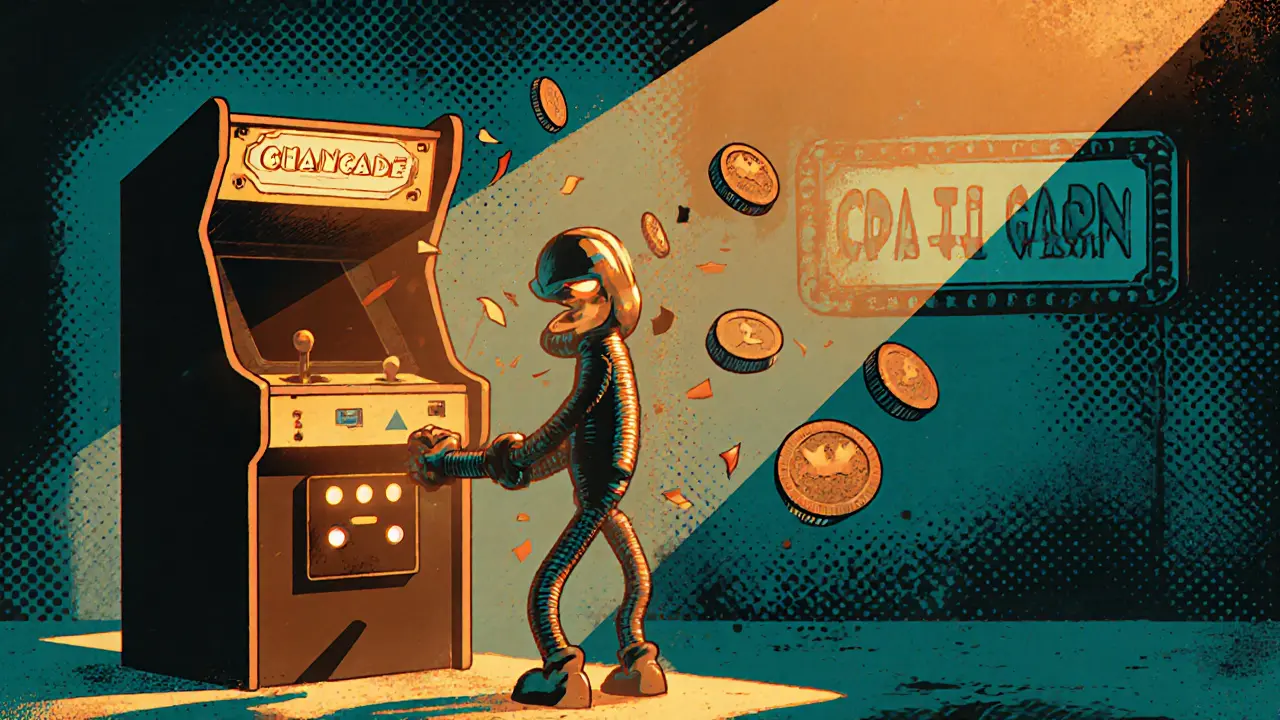
ChainCade (CHAINCADE) is a retro gaming token on Binance Smart Chain with a quadrillion supply and minimal market presence. Learn what it's used for, why its price is so low, and whether it's worth your time.

T23 is a festive-themed play-to-earn crypto token with a quadrillion supply and a market cap under $25,000. Learn how it works, why it exists, and whether it's worth your time - or just a digital gimmick.