Binance Iran access: Can you use Binance in Iran? Laws, workarounds, and risks
When you search for Binance Iran access, the ability to use the world’s largest crypto exchange from within Iran. Also known as Binance Iran usage, it’s not just about logging in—it’s about navigating a complex mix of government control, economic pressure, and digital evasion. Iran doesn’t outright ban cryptocurrency, but it does ban foreign exchanges like Binance. The government sees them as threats to financial sovereignty and a way for citizens to bypass currency controls. That’s why Binance’s website and app are blocked inside Iran. But that doesn’t stop people from using it.
How? Many users turn to VPNs, proxy servers, or mirror sites to reach Binance. Some trade through peer-to-peer (P2P) platforms that connect Iranian buyers and sellers directly, using Binance’s P2P system as a bridge. Others rely on local exchanges that mimic Binance’s interface but operate under Iranian licenses—though these often have lower liquidity and higher risks. The real story isn’t about access—it’s about survival. With inflation eating away at the Iranian rial, crypto has become a lifeline for families, small businesses, and even miners trying to convert electricity into value.
But here’s what most guides don’t tell you: using Binance in Iran isn’t just technically tricky—it’s legally risky. The Iranian government has cracked down on crypto mining operations, shutting down farms and arresting operators. Mining is legal only if you get government approval and pay steep electricity fees, which most individuals can’t afford. Meanwhile, Binance accounts tied to Iranian IPs have been frozen without warning. There’s no customer support for users in sanctioned regions. If your account gets flagged, your funds vanish.
And it’s not just Binance. The same rules apply to most global exchanges. The U.S. and EU sanctions make it illegal for platforms to serve Iranian users directly. So even if you get in, you’re on your own. No refunds. No dispute resolution. No insurance. That’s why many Iranians now use decentralized exchanges like Uniswap or SushiSwap through wallets like MetaMask—no central authority to block you, but also no safety net.
What you’ll find in the posts below are real stories and breakdowns from people who’ve tried to make crypto work in Iran. From how miners are forced into state-controlled systems, to how traders use Telegram groups to swap USDT for cash, to why some are switching to privacy coins to avoid tracking. You’ll see how Binance Iran access isn’t a feature—it’s a workaround, a gamble, and sometimes the only way out.
12 Mar
2025
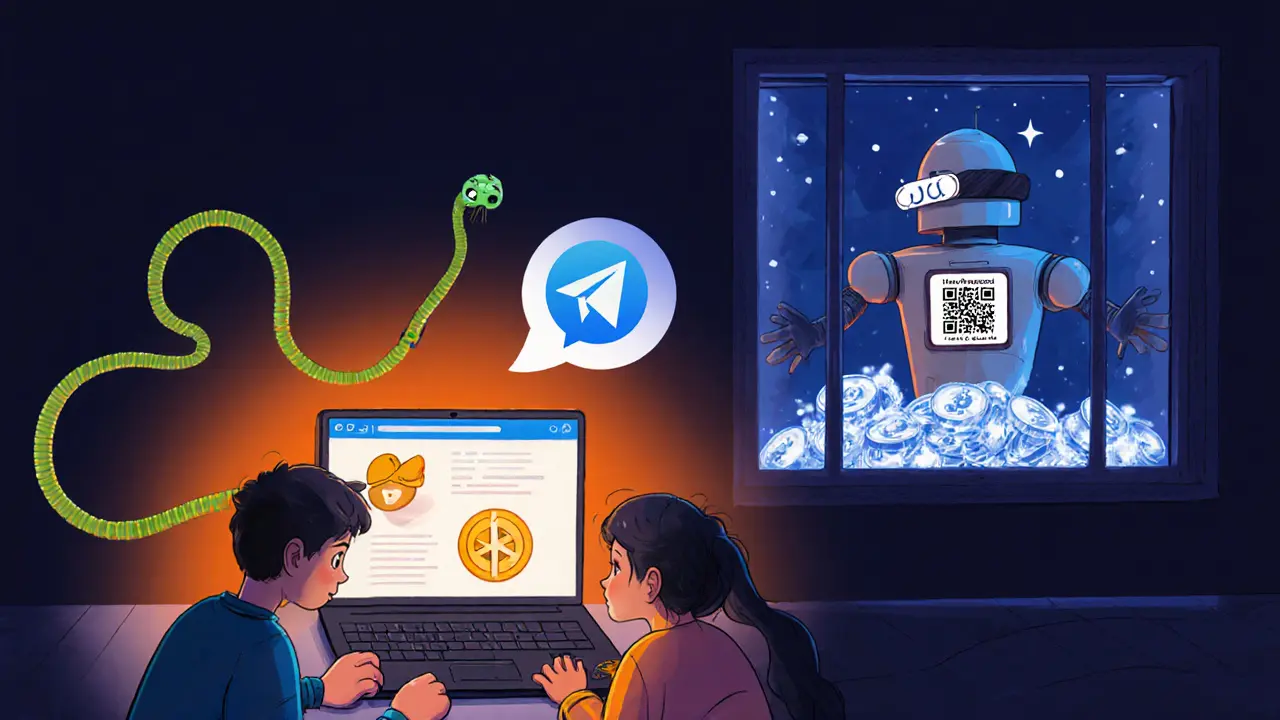
In 2025, Iranians use DAI on Polygon, VPNs, and Telegram P2P to bypass crypto bans caused by rial collapse. Learn how millions avoid government restrictions and protect their savings.