Bitcoin Legal Tender: Where It's Recognized and Why It Matters
When Bitcoin legal tender, a form of digital currency granted official status by a government to settle debts and pay taxes. Also known as digital sovereign money, it represents a fundamental shift from traditional fiat systems—where central banks control supply—to decentralized networks where no single entity holds power. El Salvador made history in 2021 by becoming the first country to adopt Bitcoin as legal tender alongside the U.S. dollar. That move wasn’t just symbolic. It meant businesses had to accept Bitcoin for goods and services, and citizens could pay taxes with it. The goal? Reduce reliance on remittances, lower transaction costs, and bring unbanked populations into the financial system.
But Bitcoin legal tender isn’t just about one country. It’s part of a larger conversation around cryptocurrency legality, how governments regulate or ban digital assets. Some nations, like the Central African Republic, followed El Salvador’s lead—even if their implementation was messy. Others, like the U.S., Canada, and most of the EU, treat Bitcoin as property, not currency. That means you pay capital gains tax when you spend it, but you can’t use it to pay your rent unless your landlord agrees. Meanwhile, countries like Iran and Russia are quietly using Bitcoin to bypass sanctions, turning it into a tool of economic survival, not just speculation.
The real question isn’t whether Bitcoin can be money—it’s whether governments are ready to give up control over it. Bitcoin adoption, the growing use of Bitcoin in everyday transactions and financial systems is happening faster in places with unstable currencies or weak banking systems. In Argentina, Venezuela, or Nigeria, people aren’t waiting for permission—they’re using Bitcoin to protect their savings from inflation. And while the IMF and World Bank warn of risks, millions are already living with Bitcoin as their de facto money.
What you’ll find below isn’t theory. It’s real-world cases, legal gray zones, and the hidden consequences of treating Bitcoin as money. From tax rules in Colombia to how Russia uses crypto to evade sanctions, these posts show you exactly how Bitcoin legal tender works—or fails—on the ground. You’ll learn what happens when governments try to ban it, how exchanges adapt, and why some people see it as freedom while others see chaos. This isn’t about hype. It’s about what’s actually happening right now, in real countries, with real people.
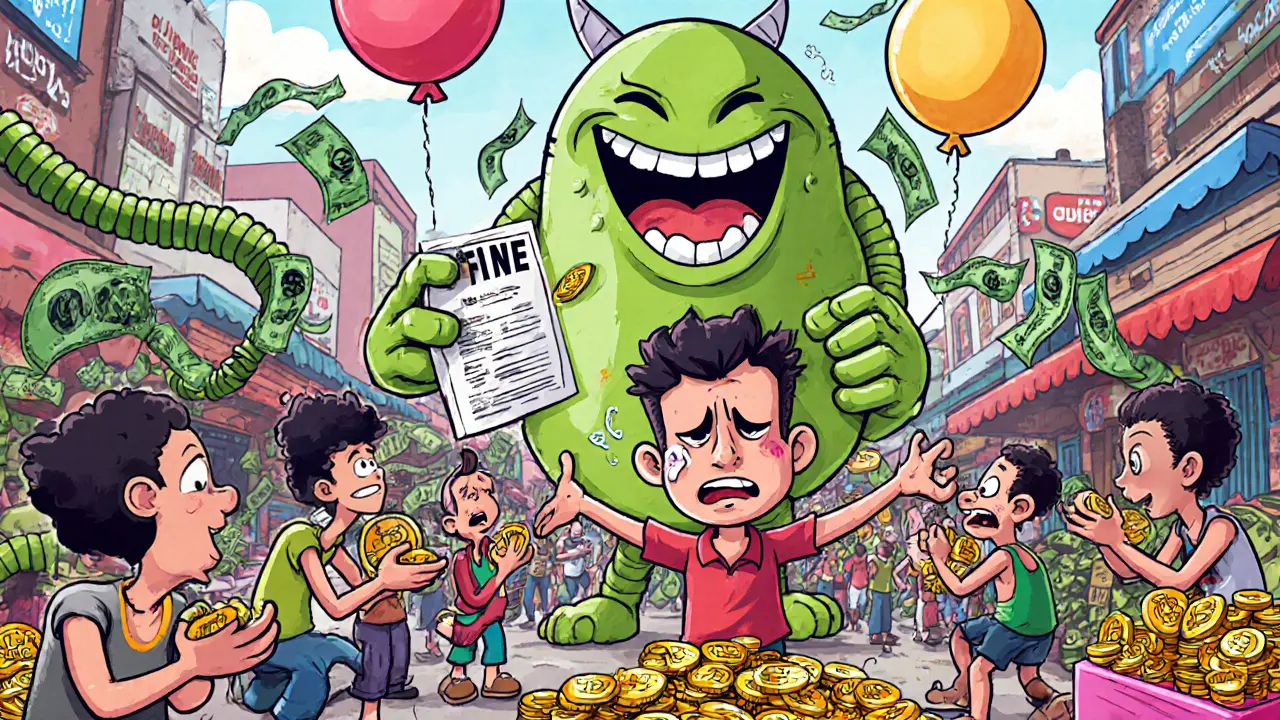
El Salvador made Bitcoin legal tender in 2021, but global reactions were mixed. While crypto supporters cheered, financial institutions warned of risks. Real-world adoption failed to meet expectations, revealing deeper challenges for cryptocurrency as official currency.