Blockchain Finance: How Decentralized Systems Are Changing Money
When you hear blockchain finance, a system where financial transactions happen on open, tamper-proof ledgers without central banks. Also known as decentralized finance, it lets people lend, trade, and save using code instead of branches or brokers. This isn’t theory—it’s what powers everyday crypto tools like wallets, exchanges, and lending apps. And it’s changing how money works, from small towns in Africa to major financial hubs.
Behind every blockchain finance tool is something deeper: smart contracts, self-executing agreements coded into the blockchain that run automatically when conditions are met. These are what make DeFi loans possible without a human loan officer. They’re also what made the Ethereum Merge happen—replacing energy-hungry mining with a cleaner, faster system. Then there’s consensus mechanisms, the rules that let thousands of computers agree on what’s true without trusting each other. Bitcoin uses Proof of Work. Enterprise chains like Hyperledger use PBFT. Ethereum switched to Proof of Stake. Each choice affects speed, cost, and security—and that’s why some blockchains are used for trading, others for banking, and others for government records.
None of this matters if your money isn’t safe. That’s where cryptocurrency security, the practices and tech that protect digital assets from theft, hacks, and scams comes in. Merkle trees verify transactions without downloading the whole chain. Formal verification uses math to prove smart contracts won’t glitch. Even your 12-word seed phrase is part of this system—it’s not magic, it’s cryptography. And when quantum computing threatens to break encryption, blockchain finance has to adapt—or fail.
What you’ll find below isn’t a list of hype coins or get-rich-quick schemes. It’s a real-world look at how blockchain finance actually works: the tech that keeps it running, the flaws that break it, and the people using it to bypass sanctions, avoid taxes, or build new financial tools from scratch. You’ll see how nodes secure Bitcoin, how Iran’s miners survive government crackdowns, and why a 420-trillion-token meme coin is a warning sign, not a chance. This is the stuff behind the headlines—the code, the rules, the risks, and the real choices you face when you step into decentralized money.
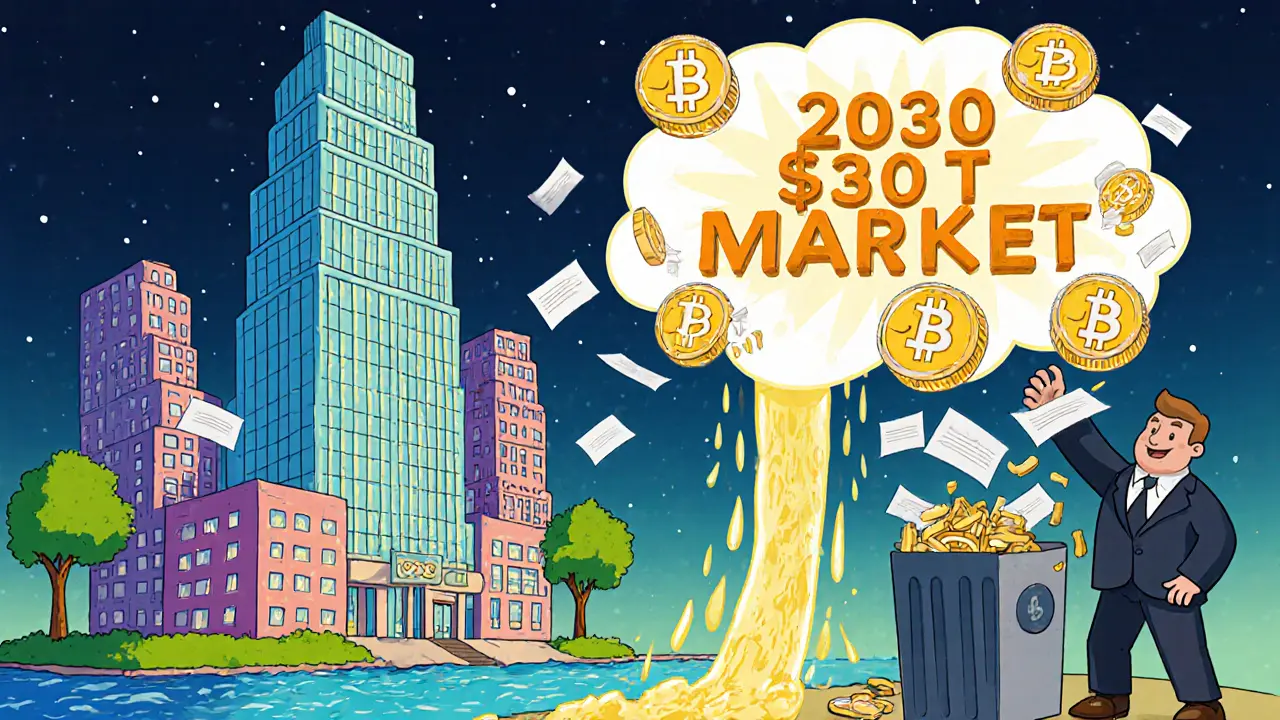
Security token markets are transforming how assets like real estate, bonds, and commodities are owned and traded using blockchain. With institutional adoption rising and regulations clarifying, this $250B market could hit $30T by 2030.

Blockchain technology is transforming cross-border payments by slashing fees, cutting settlement time to minutes, and offering full transparency. Discover how businesses and individuals are already using it to send money globally faster and cheaper than ever before.
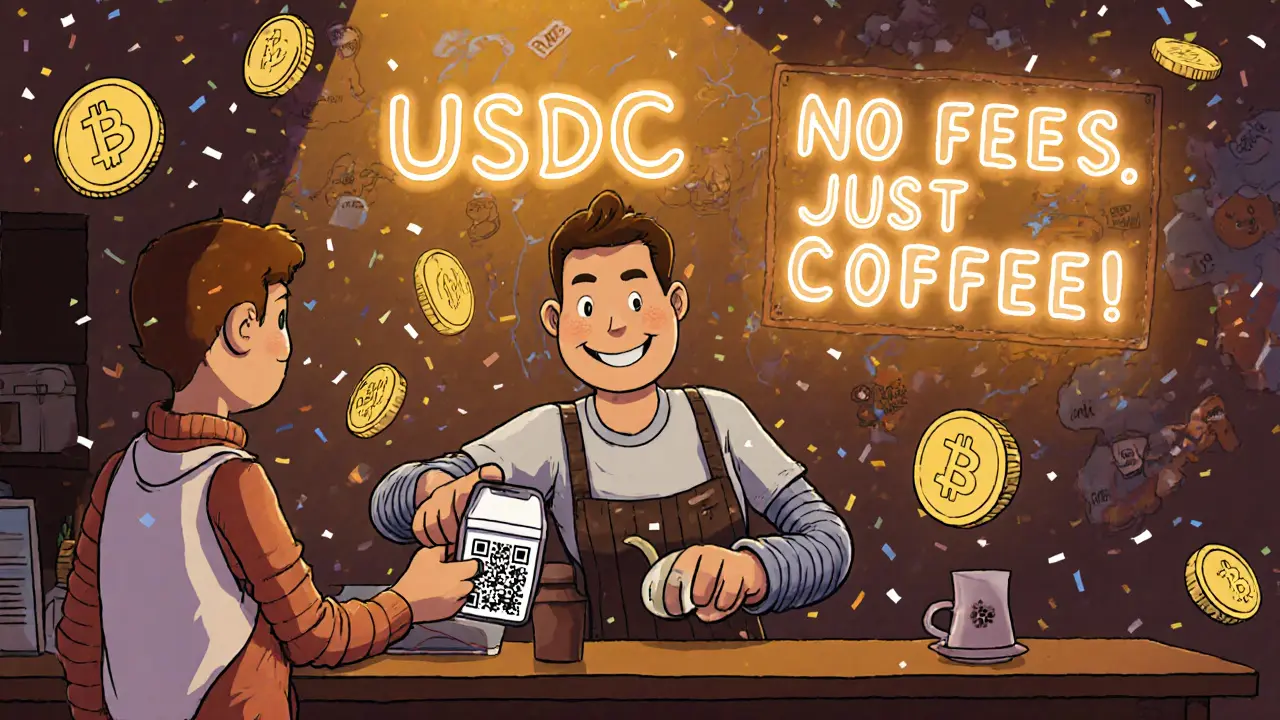
DeFi is no longer experimental-it's cutting payment costs for small businesses, enabling global lending without banks, and integrating with government digital currencies. Here's how it works in 2025 and how you can use it safely.