Blockchain in Insurance: How Smart Contracts Are Changing Claims and Coverage
When you think about blockchain in insurance, a system that uses tamper-proof ledgers to record policy terms, claims, and payouts without relying on central authorities. It's not science fiction—it's already reducing fraud, cutting processing time from weeks to hours, and giving customers real transparency. Traditional insurance relies on paper files, manual reviews, and slow communication between brokers, adjusters, and hospitals. That’s why companies are turning to smart contracts, self-executing code on blockchains that automatically trigger payouts when conditions are met. For example, if a flight is delayed by more than three hours, a smart contract can instantly pay out without the passenger filing a claim or uploading boarding passes.
blockchain verification, the process of confirming transaction history and data integrity using cryptographic hashes and Merkle trees makes it nearly impossible to alter a claim after it’s recorded. This is why insurers are using it to fight fake medical bills and inflated repair estimates. In one real case, a health insurer used blockchain to verify treatment records across 12 clinics and cut fraudulent claims by 37% in six months. decentralized insurance, a model where policyholders pool funds directly via peer-to-peer networks instead of paying premiums to a corporate insurer is also growing—platforms like Etherisc and Nexus Mutual let users buy coverage from each other, with claims settled automatically when oracle data confirms an event happened.
It’s not just about speed or savings. Blockchain in insurance rebuilds trust. When you know your claim data can’t be changed, when you see exactly how your premium is used, and when you get paid without begging for it—you stop seeing insurance as a gamble and start seeing it as a contract. That’s why governments and regulators are watching closely. The UK’s OFSI now requires crypto firms to track blockchain transactions to prevent fraud, and similar rules are coming for insurance tech. You’ll find posts here that break down how Merkle trees verify claims data, how oracles like Gora Network feed real-world events into smart contracts, and how permissioned blockchains keep enterprise insurers secure without sacrificing efficiency.
What you’ll see below isn’t theory. It’s real tools, real cases, and real risks—from how Byzantine Fault Tolerance keeps private insurance networks running smoothly, to how quantum computing might one day break the encryption holding your policy data. This isn’t about crypto hype. It’s about fixing a broken system—one block at a time.
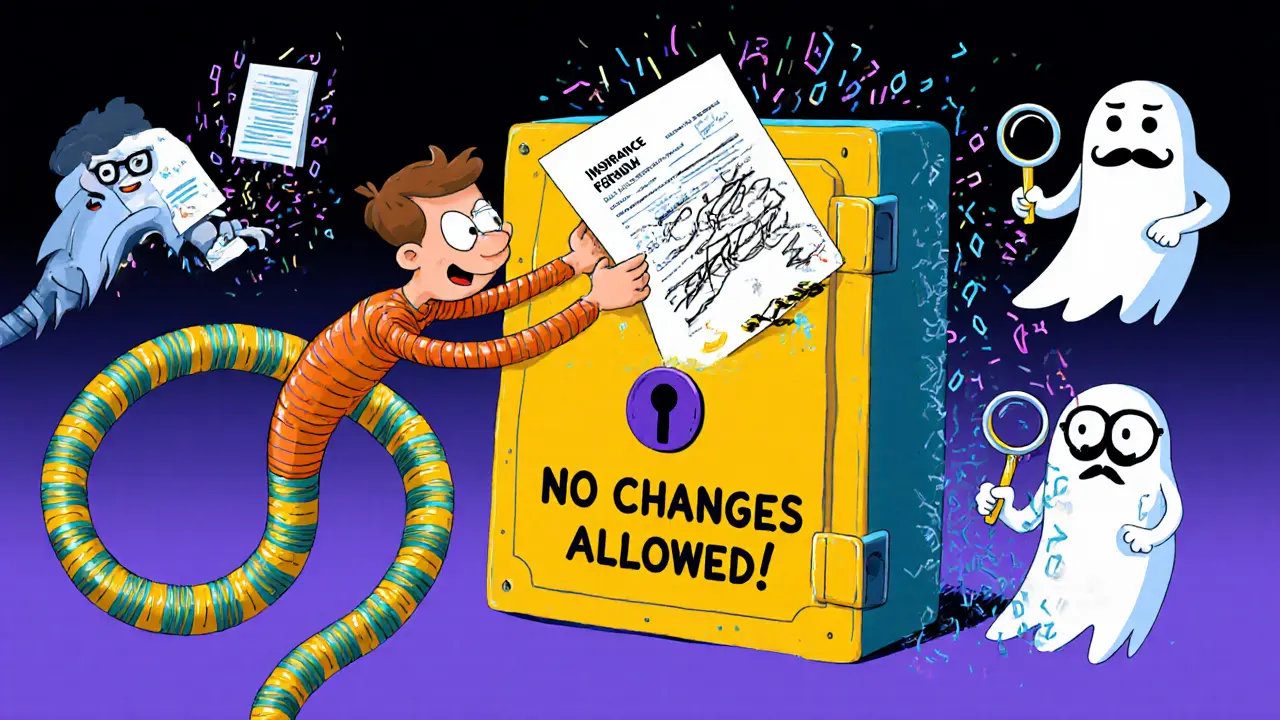
Blockchain is cutting insurance fraud by 68% in pilot programs by creating tamper-proof claims records. Learn how it works, who's using it, and why it's not a magic fix.