Blockchain Insurance Fraud: How Scammers Abuse Decentralized Systems
When you hear blockchain insurance fraud, a type of financial crime where bad actors exploit decentralized systems to file fake claims or manipulate smart contracts for profit. It’s not just theoretical—it’s happening right now, with real money disappearing from protocols that were supposed to be unbreakable. Unlike traditional insurance, where paper files and human adjusters create room for error, blockchain insurance relies on code. And code can be hacked, gamed, or tricked—especially when no one is watching.
One common trick is smart contract fraud, when attackers find loopholes in insurance protocols to trigger payouts without a real loss. For example, someone might fake a crypto theft report using a manipulated transaction history, then claim coverage from a DeFi insurance pool like Nexus Mutual or Cover Protocol. The system sees the transaction data and pays out automatically—no human review, no questions asked. Another method involves oracle manipulation, feeding false data into smart contracts about events like flight delays, crop failures, or cyberattacks. If the oracle says a flight was canceled, the insurance contract pays out—even if the flight landed on time.
These aren’t isolated incidents. In 2024, a DeFi insurer lost $47 million after a hacker exploited a flaw in its claim verification logic. Another case involved a group using fake KYC documents to register hundreds of wallets, then filing identical theft claims across multiple platforms. The same tactics show up in DeFi insurance, a growing sector that promises to protect users against hacks, rug pulls, and protocol failures. But without real-world verification, these systems are only as strong as the data they trust. That’s why the most successful fraudsters don’t attack the blockchain—they attack the inputs.
What makes this worse is that most users don’t realize how little oversight exists. A smart contract doesn’t care if your claim is real—it only cares if the code says it should pay. And if the code was written poorly, or if the data feed is compromised, the system becomes a money printer for criminals. The fix isn’t more blockchain—it’s better verification. Real-time identity checks, cross-chain data reconciliation, and human oversight for high-value claims are starting to appear. But they’re still rare.
Below, you’ll find real cases of how this fraud plays out—from the $10 billion Myanmar scam network using crypto to fund human trafficking, to how Russian entities bypass sanctions with fake insurance-like payout structures. You’ll also see how projects like Merkle trees and formal verification are being used to fight back. These aren’t just tech deep dives—they’re survival guides for anyone using DeFi, staking, or crypto-based insurance today.
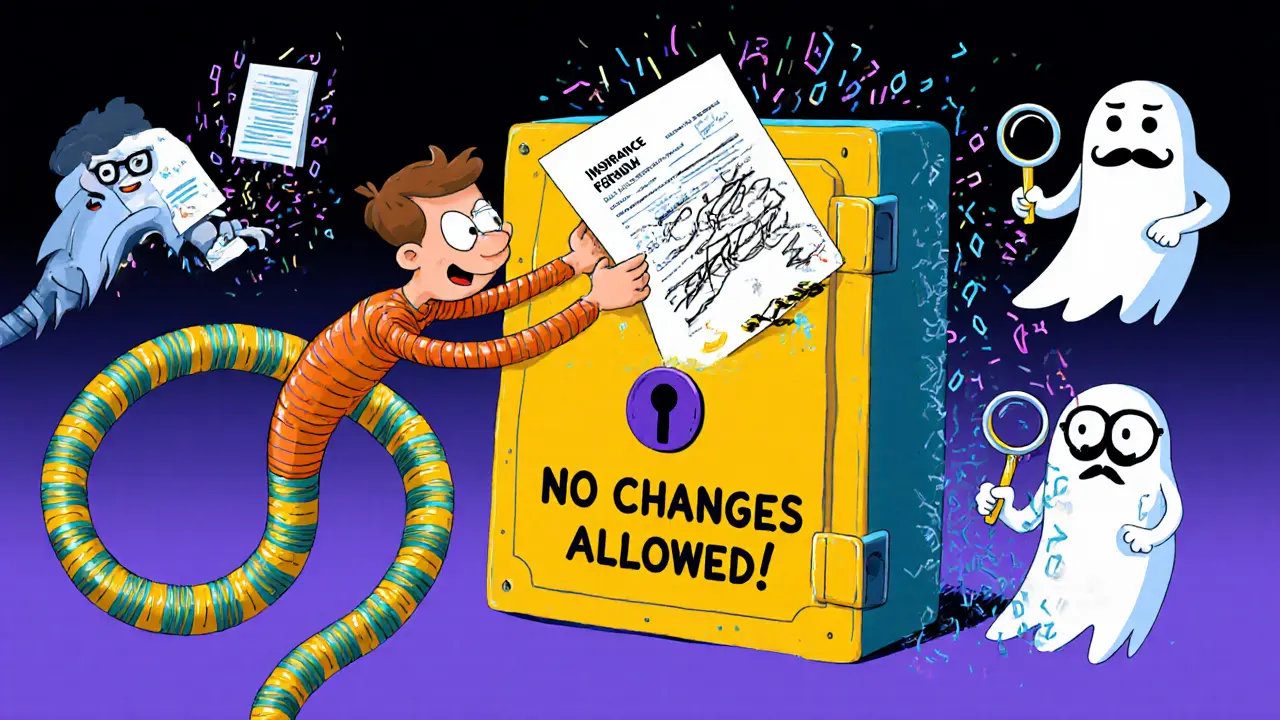
Blockchain is cutting insurance fraud by 68% in pilot programs by creating tamper-proof claims records. Learn how it works, who's using it, and why it's not a magic fix.