C-Cex Crypto: What It Is, Why It Matters, and Where to Trade Safely
When you buy crypto with a credit card, trade Bitcoin on Binance, or deposit USDT to earn interest, you're using a C-Cex crypto, a centralized cryptocurrency exchange that holds your funds and controls access through identity checks and corporate policies. Also known as centralized exchange, it's the default gateway for most people entering crypto—but not always the safest or most private one. Unlike decentralized platforms where you control your keys, C-Cex platforms act like banks: they verify who you are, freeze accounts based on location, and can block withdrawals without warning.
That’s why geography matters. If you’re in Nigeria, you rely on P2P trading because C-Cex platforms like Binance restrict local bank deposits. If you’re in Iran, you avoid exchanges tied to Tether or state-linked services—they’ve frozen accounts before. In India, you use UPI to buy crypto, but you still need to pass KYC on a C-Cex to trade for other coins. These platforms are built for compliance, not freedom. And when regulators crack down—like the U.S. sanctions on Myanmar crypto scams or British Columbia banning mining—C-Cex platforms are the first to react, often cutting off users before they even know why.
That’s also why you see so many posts here about KYC crypto, the mandatory identity verification process required by centralized exchanges to comply with anti-money laundering laws, and why crypto regulation, the patchwork of national laws that dictate who can trade, how, and with whom shapes every decision you make. Some users turn to DEXs to escape these rules, but DEXs require you already have crypto. So if you’re starting out, you’re stuck with C-Cex crypto—whether you like it or not.
And not all C-Cex platforms are equal. Some, like NitroEx, have broken withdrawals and silent support. Others, like ADEN or OpenSwap, offer low fees but lack audits or user volume. Then there are the giants—Binance DEX, Bybit, YellowCard—each with their own rules, risks, and regional access limits. The truth? There’s no universal best exchange. Only the best fit for your location, needs, and tolerance for risk.
Below, you’ll find real reviews of platforms people actually use—some working, some failing, some outright dangerous. You’ll learn how to spot red flags, why some airdrops vanish overnight, and how to trade safely when your country is on a sanctions list. This isn’t theory. It’s what’s happening right now, in real time, for real people trying to use crypto outside the system.
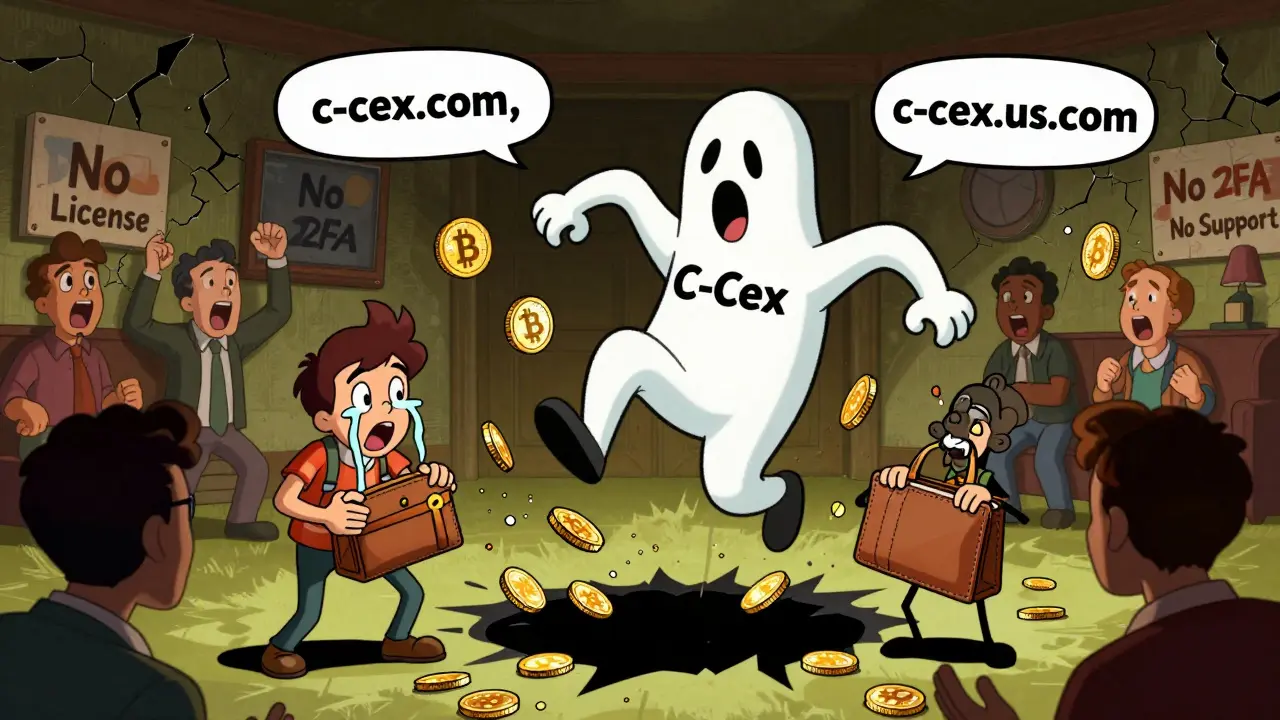
C-Cex is a high-risk crypto exchange with no regulatory oversight, frequent domain changes, and dangerous security flaws. Learn why experts advise against using it in 2025 and what safer alternatives to choose instead.