C-Cex Review: What You Need to Know About Centralized Crypto Exchanges
When you trade crypto on a platform that holds your keys and requires identity verification, you're using a centralized exchange, a crypto trading platform controlled by a company that manages user funds and enforces rules like KYC. Also known as a CEX, it's the most common way people buy and sell cryptocurrency—but not all are built the same. Many users choose CEXs because they’re simple: you deposit fiat, trade instantly, and get customer support when things go wrong. But that convenience comes with trade-offs: you give up control, face geographic blocks, and risk losing funds if the exchange gets hacked or shuts down.
Not all centralized exchanges are created equal. Some, like Binance or Kraken, have years of history, strong security, and global liquidity. Others, like NitroEx or ADEN, are newer, less transparent, and have raised red flags for users. A CEX vs DEX, the choice between a centralized exchange and a decentralized platform that lets you keep control of your assets. Also known as decentralized exchange, it's a key decision point for anyone serious about crypto isn’t just about technology—it’s about trust. If you’re in a restricted country like Iran or Nigeria, your options shrink fast. Some CEXs freeze accounts based on location, while DEXs require you already have crypto to start. That’s why understanding your exchange’s policies, fee structure, and withdrawal reliability matters more than its flashy interface.
And then there’s KYC. KYC crypto, the process of verifying your identity to comply with financial regulations. Also known as know your customer, it’s standard on most CEXs but creates a privacy trade-off: you get access to more features, but your data becomes a target. If you’re worried about surveillance, censorship, or account freezes, you need to ask: Is this exchange tied to Tether, or a government-linked entity? Are withdrawals reliable, or do they disappear for weeks? The posts below dig into real cases—like why Nigerian traders rely on P2P, why Iranian users avoid certain platforms, and how some exchanges quietly break withdrawals without warning. You won’t find fluff here. Just clear, real-world breakdowns of what works, what doesn’t, and who you can actually trust with your crypto.
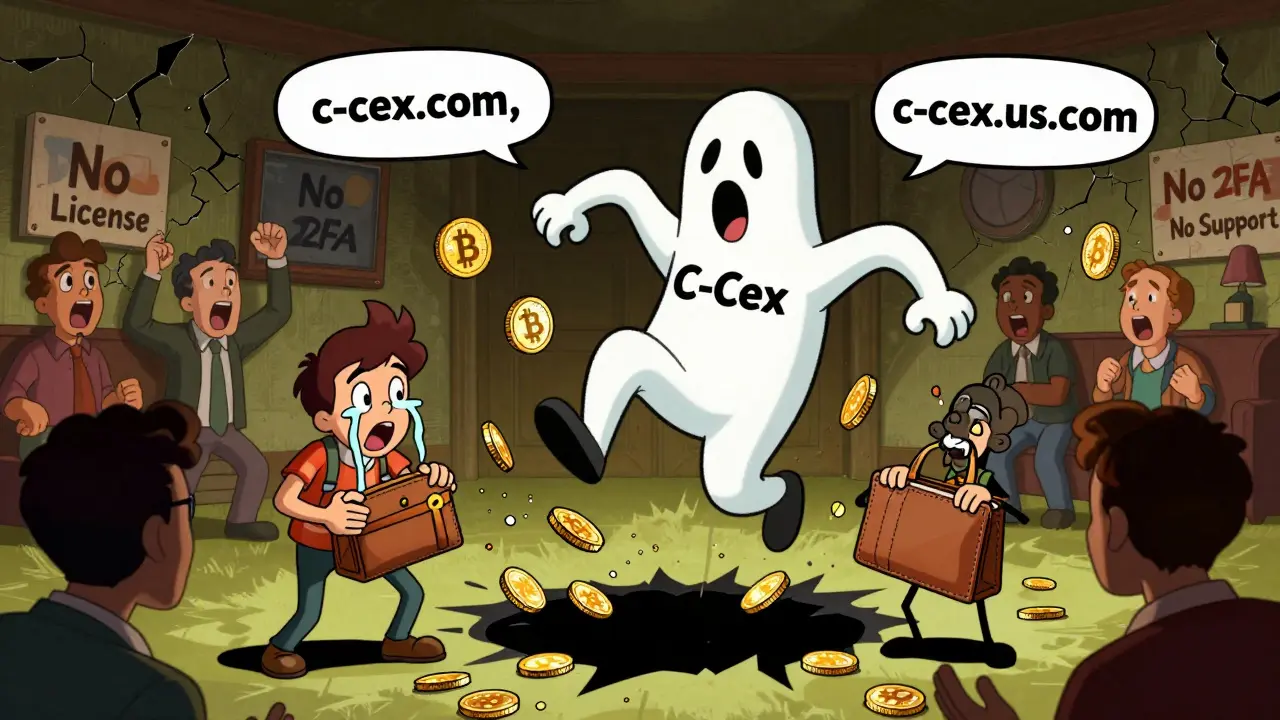
C-Cex is a high-risk crypto exchange with no regulatory oversight, frequent domain changes, and dangerous security flaws. Learn why experts advise against using it in 2025 and what safer alternatives to choose instead.