C-Cex Withdrawal: How to Get Crypto Out of Centralized Exchanges Safely
When you withdraw crypto from a C-Cex withdrawal, the process of moving cryptocurrency from a centralized exchange to your own wallet. Also known as crypto withdrawal from CEX, it’s the moment you finally take control of your coins — but it’s also where most people lose money, time, or access. Centralized exchanges like Binance, Bybit, or KuCoin hold your keys. That means even if you bought Bitcoin on them, you don’t truly own it until it’s in your wallet. A C-Cex withdrawal isn’t just a button click — it’s a security decision, a fee calculation, and a timing game.
Every C-Cex withdrawal involves three things: the network you’re using (like Ethereum or Solana), the fee you pay (often called gas or network fee), and the destination address. Mess up any one of these, and your crypto can vanish forever. You can’t undo a wrong address. You can’t refund a high fee. And if you send BTC to an ETH address? Goodbye coins. That’s why real users don’t just copy-paste addresses — they verify them twice, triple-check the network, and always test with a tiny amount first. Related to this are centralized exchange, a platform that holds users’ crypto and handles trades on their behalf. Also known as CEX, it’s where most beginners start — but it’s also where the biggest risks live. And then there’s crypto fees, the cost to move crypto across a blockchain network. Also known as network fees, these vary wildly — from under $0.10 on Solana to over $50 during Ethereum congestion. These fees aren’t set by the exchange. They’re set by the blockchain itself. That’s why you sometimes wait hours for a withdrawal to go through — the network is busy, and your transaction is stuck in line.
Some exchanges lock withdrawals after large deposits, after KYC updates, or during market spikes. Others delay withdrawals for 24–72 hours as a "security measure." That’s not always protection — sometimes it’s just poor infrastructure. You’ll see this in posts about NitroEx breaking withdrawals or Iranian users getting frozen out. Even big names like Binance have had withdrawal freezes during crashes. That’s why smart users don’t keep large amounts on CEXs long-term. They move what they’re not actively trading to self-custody wallets — and they test withdrawals regularly, not just when they need cash.
What you’ll find in the posts below isn’t just a list of exchanges. It’s a real-world map of who handles withdrawals well, who doesn’t, and why. You’ll see how Nigerian traders use P2P to bypass CEX limits, how Iranians avoid sanctioned platforms entirely, and why some DEXs are safer than others when you’re trying to get out of a CEX. You’ll learn what happens when an exchange like OpenSwap has zero fees but no traffic — and how that affects your ability to move funds. These aren’t theoretical guides. They’re post-mortems from people who lost money, got scammed, or barely escaped a failed withdrawal. And if you’re planning to move crypto off an exchange anytime soon — you need to know what they found out.
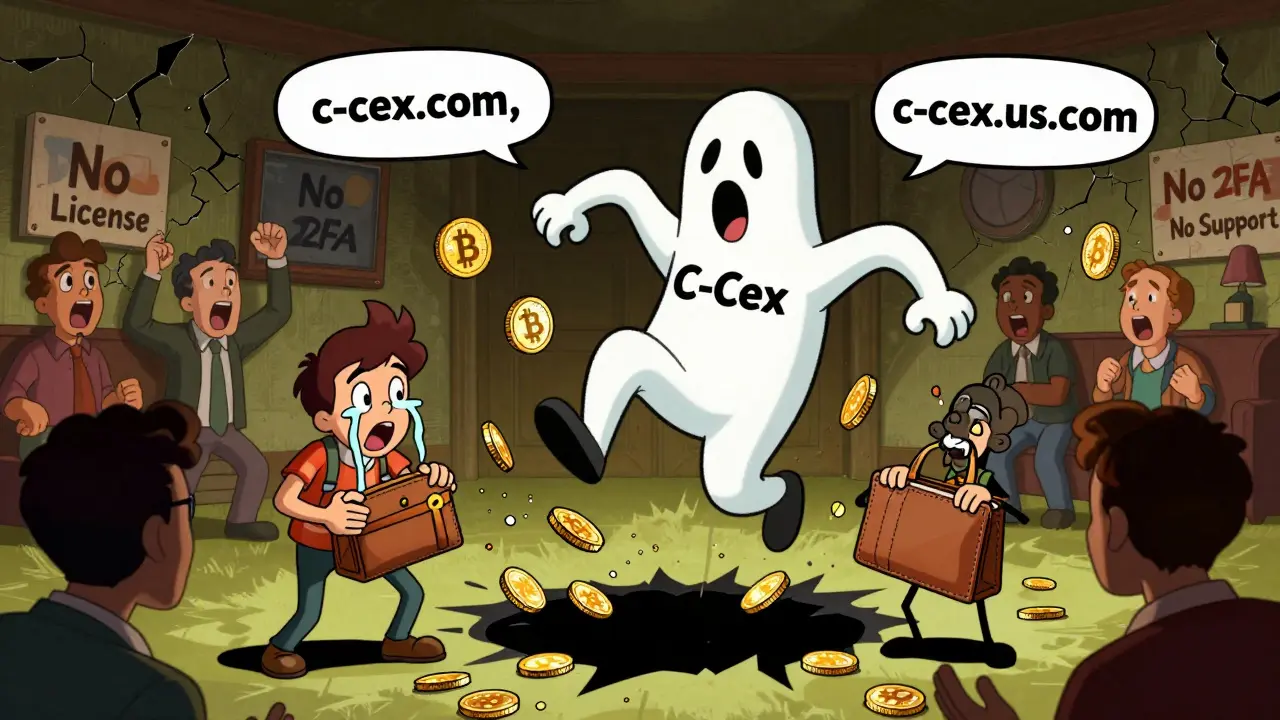
C-Cex is a high-risk crypto exchange with no regulatory oversight, frequent domain changes, and dangerous security flaws. Learn why experts advise against using it in 2025 and what safer alternatives to choose instead.