CAN token: What It Is, Where It’s Used, and What You Need to Know
When you hear CAN token, a blockchain-based digital asset often tied to community rewards or decentralized applications. Also known as CryptoAirdrop Network token, it’s one of many tokens built to give users direct control over access, rewards, or governance in open networks. Unlike big-name coins like Bitcoin or Ethereum, CAN token doesn’t dominate headlines—but it plays a quiet role in smaller ecosystems where users earn it for participation, not speculation.
It’s not a stablecoin, not a meme coin, and not usually listed on major exchanges. Instead, CAN token shows up in niche DeFi apps, community-driven platforms, and early-stage airdrops. It’s often used to gate access to exclusive features, reward early adopters, or vote on protocol upgrades. You’ll see it alongside tokens like UBX, a low-cap Layer-0 blockchain token with minimal exchange support, or VNO, a liquid staking token for Cronos and zkSync—all part of the same under-the-radar crypto layer where utility matters more than price pumps.
What makes CAN token different is how it’s distributed. Most users don’t buy it—they earn it. That’s why you’ll find it tied to P2P trading hubs in countries like Nigeria, where people use crypto as a financial workaround. It’s also linked to platforms that bypass traditional KYC, like Binance DEX, a non-custodial exchange for BEP-2 tokens, where users trade directly without handing over their keys. If you’ve ever joined an airdrop that asked you to hold a certain token or complete a task, CAN token might’ve been the reward.
But here’s the catch: many CAN token projects vanish after the initial hype. There’s no team, no audit, no roadmap—just a smart contract and a Discord channel. That’s why the posts below focus on real-world use, not promises. You’ll find guides on how to spot legitimate CAN token distributions, which exchanges actually support it, and how to avoid scams hiding behind similar names. Some posts even compare it to tokens like WAMPL, a wrapped version of Ampleforth designed for DeFi compatibility, showing how token design affects real usage.
If you’re holding CAN token or considering getting it, you need to know what it can actually do. Is it a governance token? A reward token? A placeholder for something bigger? The answers aren’t in marketing posts—they’re in how it behaves on-chain, which wallets support it, and who’s actually using it. Below, you’ll find real reviews, verified airdrop details, and honest breakdowns of projects that use CAN token—not just hype.
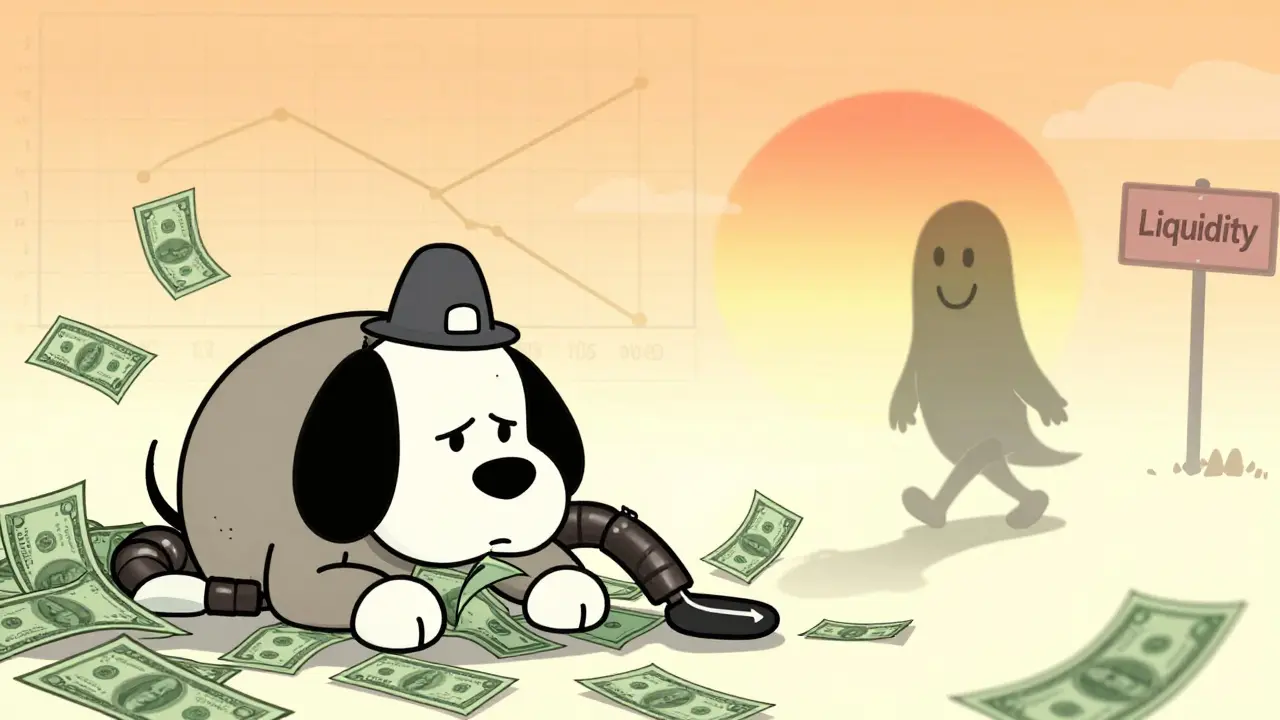
Canwifhat (CAN) is a dead Solana meme coin with no team, no utility, and near-zero trading volume. Once a copycat of dogwifhat, it's crashed 99.2% from its peak and is now considered abandonware by experts.