Crypto Investment: How to Navigate Risk, Rewards, and Real-World Crypto Projects
When you make a crypto investment, a financial decision tied to digital assets built on decentralized networks. Also known as digital asset investing, it’s not just about hoping a token goes up—it’s about understanding who controls the network, how it secures value, and whether it solves a real problem. Most people lose money because they chase hype, not utility. The difference between a scam token and a real project isn’t the price chart—it’s the code, the team, and the infrastructure behind it.
Successful crypto investment, a financial decision tied to digital assets built on decentralized networks. Also known as digital asset investing, it’s not just about hoping a token goes up—it’s about understanding who controls the network, how it secures value, and whether it solves a real problem. Most people lose money because they chase hype, not utility. The difference between a scam token and a real project isn’t the price chart—it’s the code, the team, and the infrastructure behind it.
Real crypto investment means knowing how blockchain security, the systems that prevent tampering and fraud in decentralized networks. Also known as on-chain integrity, it ensures your assets aren’t stolen or manipulated by faulty code or weak consensus. That’s why Merkle trees, formal verification, and node counts matter—they’re the invisible guardrails. It also means understanding how DeFi, financial services like lending and trading that run without banks, using smart contracts on blockchains. Also known as decentralized finance, it lets you earn interest or trade assets without middlemen actually works. You don’t need to be a coder, but you do need to know if a protocol has been audited, if its liquidity is real, and if its token has a purpose beyond speculation.
And then there’s the airdrop, free tokens given to users for participating in a network, often as a reward for early adoption or usage. Also known as token distribution event, it’s a common way projects gain users—but also a favorite tool for scammers. Some airdrops, like SAKE Points, reward real activity like trading or lending. Others, like VDV or GZONE, are pure traps with no token, no team, and no future. Knowing the difference saves your wallet.
What you’ll find here isn’t a list of coins to buy. It’s a collection of real stories: how Russia bypasses sanctions with crypto, how Iranians use DAI to protect savings, how Colombia’s lack of regulation creates danger and opportunity, and why Bitcoin’s 24,000 nodes are more important than any price prediction. You’ll see how quantum computing could break encryption, why 12-word seed phrases aren’t magically safer than 24-word ones, and how exchanges like HitBTC and Zeddex look good on paper but fail in practice. This isn’t theory. It’s what’s happening right now—and what you need to know before you invest again.
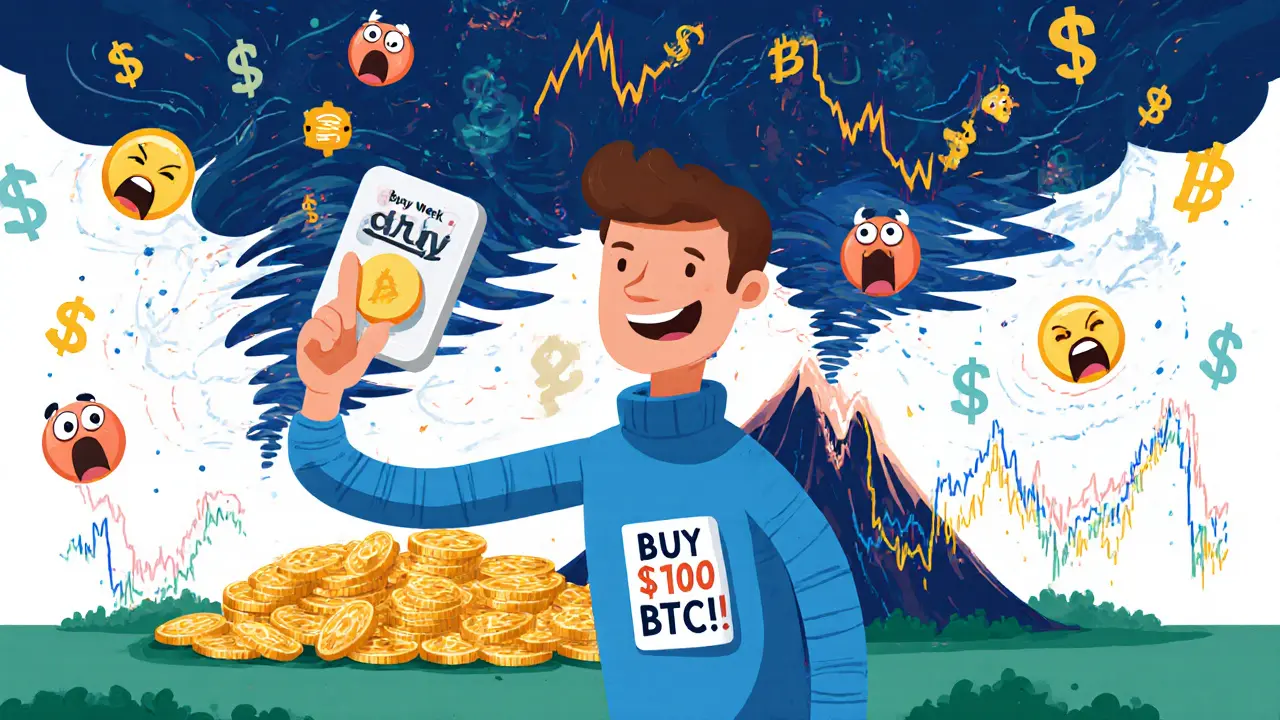
Dollar-cost averaging while HODLing is a simple, proven strategy to build crypto wealth without timing the market. Buy small amounts regularly, hold long-term, and let compounding work for you.