Crypto Mining Electricity: How Power Costs Shape Bitcoin and Blockchain Mining
When you hear about crypto mining electricity, the amount of power used to validate blockchain transactions through computational work. It's not just a line item on a miner's bill—it's the foundation of security for networks like Bitcoin. Every time a new block is added, thousands of machines race to solve a puzzle, burning electricity like a furnace. This process, called Proof of Work, a consensus mechanism that requires heavy computational effort to secure the network, is what makes Bitcoin tamper-proof. But it also means mining isn't just about hardware—it's about access to cheap, reliable power.
The real question isn't whether mining uses a lot of electricity—it does—but whether that use is justified. In places like Texas, Kazakhstan, and parts of Canada, miners flock to regions with surplus wind, hydro, or natural gas because those sources are cheaper than grid power. Some even capture flare gas that would otherwise be burned off. Meanwhile, Ethereum shut down its energy-heavy mining entirely in 2022, switching to Proof of Stake, a system that replaces brute-force computing with token-based validation, cutting its power use by over 99%. That move didn't just change Ethereum—it forced the whole industry to rethink what’s necessary for security.
High electricity costs can kill a mining operation overnight. A single ASIC miner might use as much power as a refrigerator, but it runs 24/7. If your electricity bill jumps 50%, your profit vanishes. That’s why miners track power prices like traders track stock charts. And when governments crack down—like China did in 2021—miners don’t just shut down. They pack up and move, chasing the next cheap kilowatt. This constant migration shapes global energy demand and even influences local utility rates.
What you’ll find in these posts isn’t just theory. It’s real data: how much power Bitcoin actually uses, why some coins are ditching mining altogether, what hardware drains the most juice, and how miners are adapting to rising energy costs. You’ll see how the crypto mining electricity debate isn’t about being green or greedy—it’s about survival, efficiency, and where value truly lies in a decentralized world.
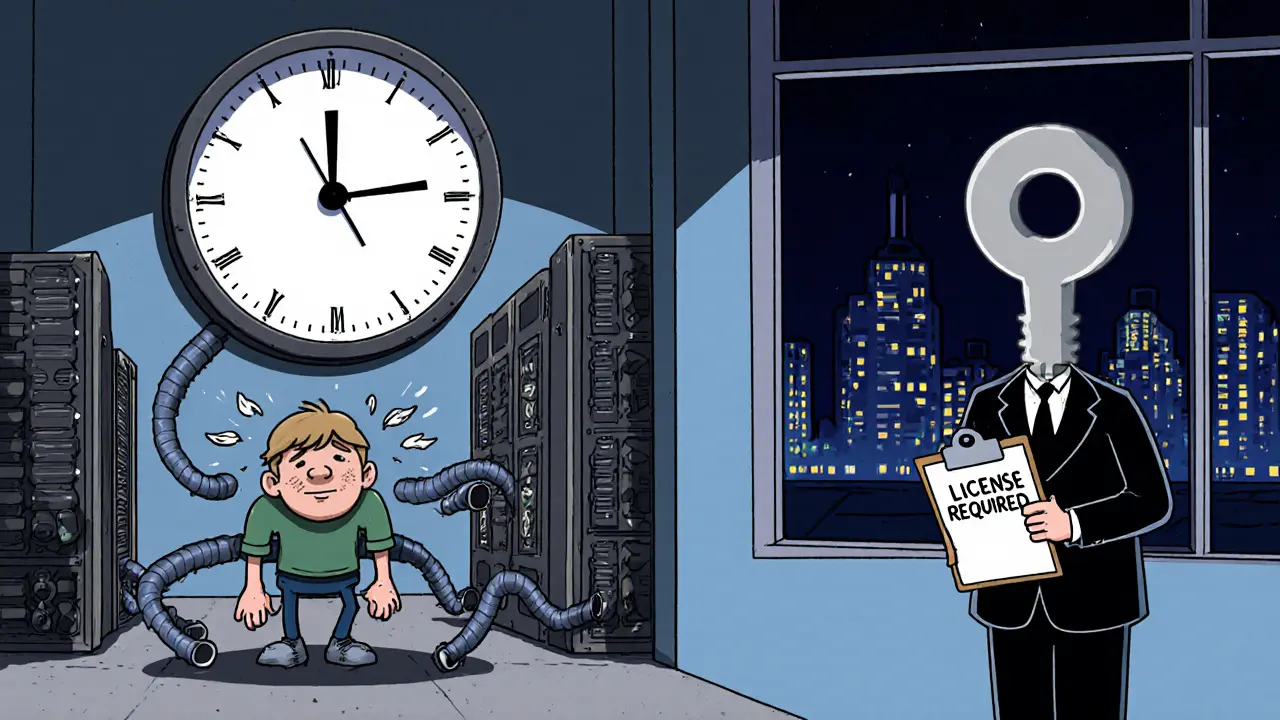
Crypto mining in Iran is legal in 2025 but tightly controlled by the government. Miners face high electricity costs, sudden bans, and a two-tier system favoring state-linked operations. The future points toward a state-controlled digital currency.