Crypto Shopping Scam: How to Spot and Avoid Fake Stores and Fake Airdrops
When you see a crypto shopping scam, a fake online store or deceptive offer designed to steal your cryptocurrency. Also known as crypto phishing, it’s not just a glitch—it’s a full-blown trap that’s gotten smarter, faster, and deadlier. These scams don’t need hackers or malware. They just need you to click, enter your seed phrase, or send crypto to a wallet that looks legit. And they’re everywhere: Instagram ads, Telegram groups, fake Shopify stores, and even fake airdrop pages that copy real projects.
Look at what’s happening. Scammers now clone real exchange logos—Crypto.com, Luno, HitBTC—and run fake checkout pages. They’ll promise you free tokens if you send a small amount first. Or they’ll say you’ve won a crypto airdrop scam, a fake distribution of tokens that requires you to pay gas fees or connect your wallet for a project that doesn’t exist—like GZONE or Beckos. The moment you connect your wallet, they drain it. No second chances. No refunds. And no customer service to call. Meanwhile, real airdrops like SAKE don’t ask for money or private keys. They reward activity, not panic.
It’s not just about fake stores. The same tricks show up in fake crypto store, a counterfeit online shop pretending to sell hardware wallets, NFTs, or branded merch sites. You think you’re buying a Ledger from a trusted seller. You’re not. You’re giving your private keys to someone who already has your crypto. And if you’re in Iran, Colombia, or Russia, where regulation is weak or banned, these scams multiply. People turn to crypto to protect their savings—and end up losing everything to a Discord DM.
Here’s the truth: if it sounds too good to be true, it is. If a site asks for your 12-word phrase, walk away. If a token has a quadrillion supply and no team, it’s a ghost. If an airdrop requires you to pay gas to claim free tokens, it’s a trap. Real projects don’t need you to pay to get paid. Real exchanges like Luno or Crypto.com don’t DM you with links. And real blockchain tools like Merkle trees or formal verification exist to protect you—not to be used as marketing buzzwords by scammers.
Below, you’ll find real breakdowns of fake tokens like Beckos and ChainCade, reviews of sketchy exchanges like Zeddex and BCEX Korea, and clear guides on how to avoid the most common traps. You’ll learn what real airdrops look like, how to check if a site is cloned, and why your seed phrase is the only thing standing between you and total loss. No fluff. No hype. Just what you need to stay safe in a world where fraud moves faster than regulation.
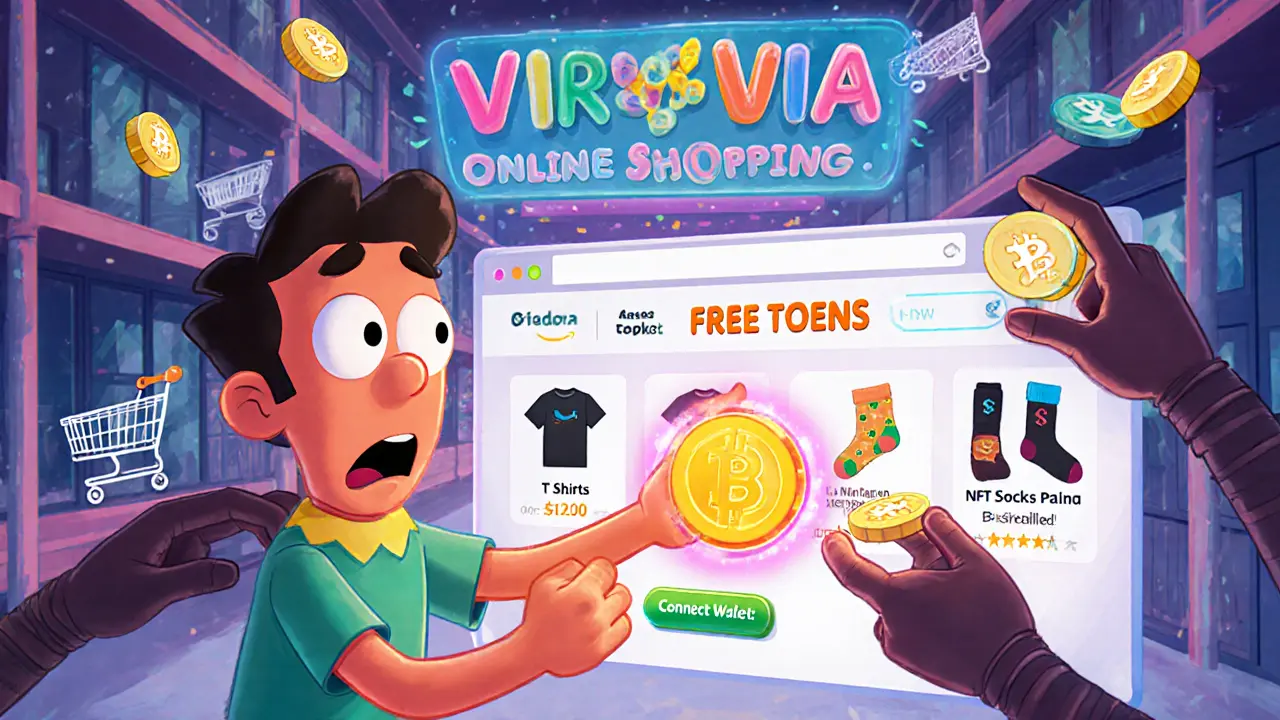
The VDV airdrop by VIRVIA ONLINE SHOPPING is a confirmed crypto scam. No token exists. No legitimate project backs it. Learn how it steals wallets and how to protect yourself from similar scams in 2025.