Cryptocurrency Regulation UK: What’s Legal, What’s Not in 2025
When you’re dealing with cryptocurrency regulation UK, the set of legal rules enforced by the Financial Conduct Authority (FCA) that control how crypto businesses operate, advertise, and handle customer funds in the United Kingdom. Also known as UK crypto laws, it’s not about banning crypto—it’s about controlling who can sell it, how it’s taxed, and who gets to claim it’s safe. The FCA doesn’t stop you from buying Bitcoin or holding Ethereum in your wallet. But if you’re running a crypto exchange, offering staking rewards, or promoting a token as an investment, you’re in a tightly monitored zone.
One big thing people miss: FCA crypto rules, the strict licensing and anti-money laundering requirements that all crypto businesses must follow to operate legally in the UK. Also known as FCA registration, it’s why you see so many exchanges like HitBTC or Zeddex labeled as unregulated—they never applied for permission. Only a handful of platforms, like Crypto.com and Luno, have full FCA approval. If you use an unregistered service, you have zero legal protection if things go wrong. And the FCA doesn’t just watch exchanges—they’ve cracked down hard on crypto ads. No more flashy TikTok influencers promising 10x returns. That’s now illegal.
Then there’s UK crypto taxes, the rules that treat crypto as property, not currency, meaning every trade, swap, or sale can trigger a capital gains tax bill. Also known as crypto capital gains tax, it’s why you need to track every transaction, even if you didn’t cash out to pounds. The HMRC doesn’t care if you traded Bitcoin for Solana or swapped ETH for a meme coin—you owe tax on the profit. And with Form 1099-DA-style reporting coming to the UK soon, exchanges will be forced to hand over your data. No more hiding behind privacy wallets.
What about mining? crypto mining UK, the process of validating blockchain transactions using electricity-powered hardware, which is legal but increasingly discouraged by energy policy. Also known as Bitcoin mining UK, it’s still allowed—but the government is pushing hard to cut energy use. Unlike British Columbia, the UK hasn’t banned mining outright. But with electricity prices high and green energy targets tight, it’s getting harder to profit. The real shift? The Bank of England is testing a digital pound, which could make private mining feel outdated.
You’ll find posts here that break down exactly how the FCA treats different tokens, which exchanges are safe to use, how to file your crypto taxes without getting fined, and why some projects are outright scams under UK law. There’s no fluff—just what’s real, what’s risky, and what you need to do next to stay on the right side of the law in 2025.
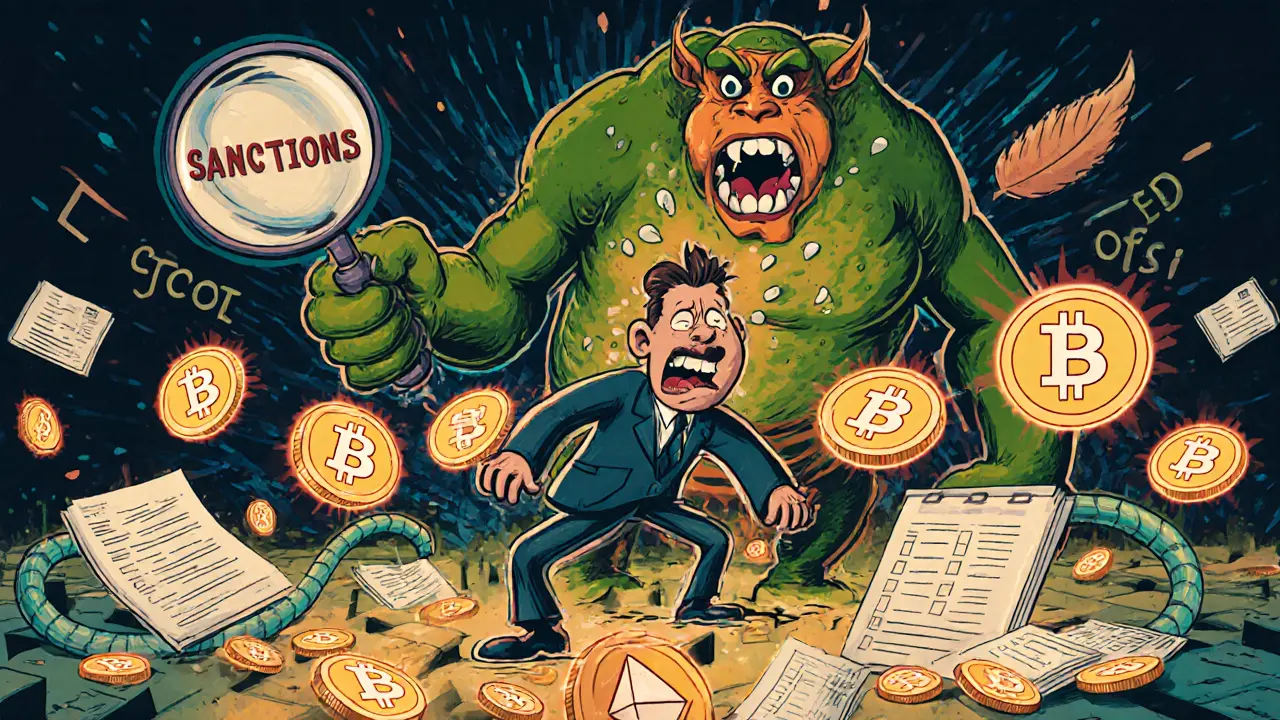
UK crypto firms must now use real-time blockchain tools to prevent sanctions evasion. With OFSI reporting widespread under-reporting and new fines hitting millions, compliance is no longer optional-it's a survival requirement.