Data Ownership Protocol: Who Really Controls Your Digital Information?
When you sign up for an app, fill out a form, or even just browse the web, you’re giving away pieces of yourself—your name, location, habits, even your face. But who owns that data? The Data Ownership Protocol, a system that gives individuals legal and technical control over their personal digital information. Also known as user-owned data frameworks, it flips the script: instead of companies collecting and selling your data, you hold the keys. This isn’t science fiction. It’s already happening in healthcare, banking, and government services through tools like decentralized identifiers, unique digital IDs that you control without relying on central authorities and zero-knowledge proofs, a way to prove you’re who you say you are without revealing any actual personal details.
Think of it like this: you wouldn’t hand over your house key every time someone asks to check if you live there. Yet that’s exactly what you do when you share your full birth certificate, social security number, or bank details just to open an account. A Data Ownership Protocol changes that. With decentralized identifiers, you generate your own ID—no company needed. With zero-knowledge proofs, you can prove you’re over 18 without showing your birthdate. You can prove you have a bank account without revealing your balance. These aren’t just tech buzzwords—they’re the building blocks of real privacy. And they’re why platforms like Beldex and privacy-focused KYC systems are gaining traction, especially in places where governments or corporations can’t be trusted.
But here’s the catch: these systems only work if you understand them. Most people still think their data is safe because they use a password or two-factor authentication. That’s like locking your front door but leaving your spare key under the mat. The real security comes from who controls the system—not how strong your password is. That’s why the posts below cover everything from how Merkle trees verify your data without exposing it, to how formal verification makes smart contracts bulletproof, to why Bitcoin nodes matter for keeping your data from being erased. You’ll also find real cases: how Colombia lets crypto thrive without regulation, how Iran bypasses bans using stablecoins, and how Russia uses crypto to dodge sanctions. All of it ties back to one question: who owns your data? And more importantly—who should?
2 Dec
2025
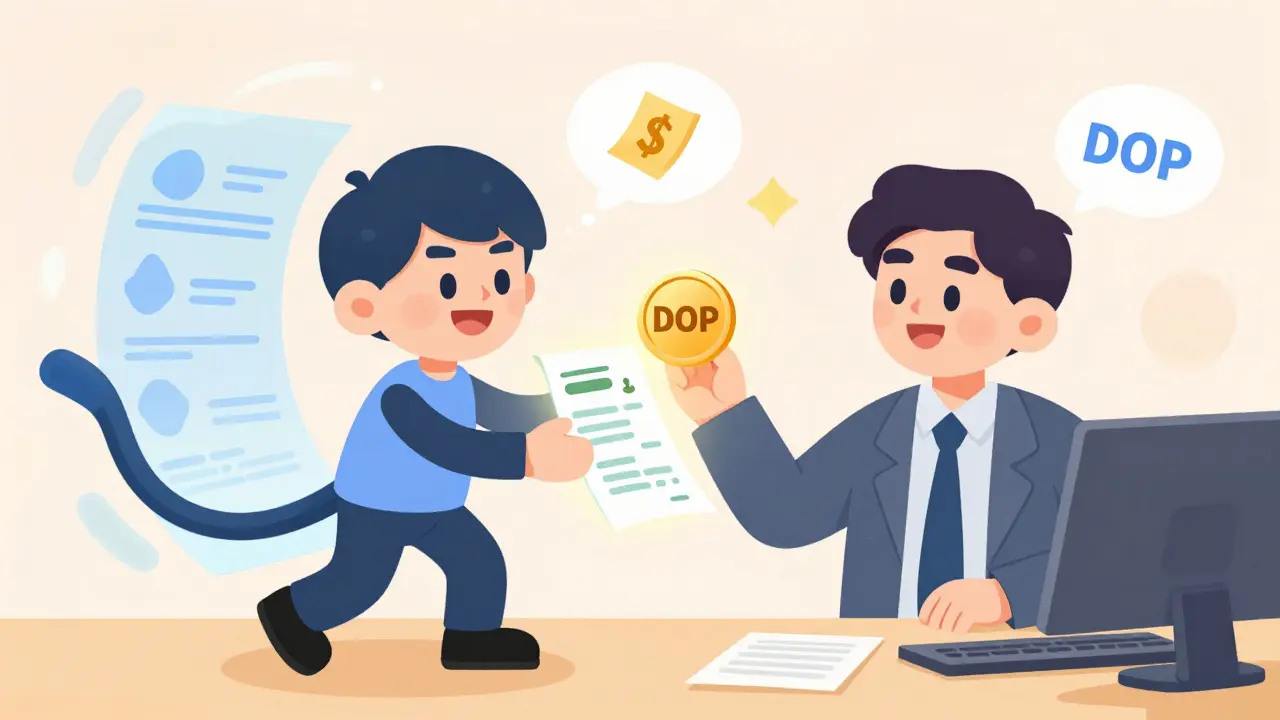
Data Ownership Protocol (DOP) is an Ethereum-based privacy protocol that lets users control their on-chain data with selective transparency. Unlike anonymous coins, DOP enables private transactions while generating compliance-ready audit trails for businesses.