Decentralized Finance: How DeFi Is Changing Money Without Banks
When you hear decentralized finance, a system that lets people lend, borrow, and trade crypto without banks or middlemen. Also known as DeFi, it runs on blockchain networks using smart contracts, self-executing code that automatically handles agreements when conditions are met. Unlike traditional banks, there’s no CEO, no branch, and no one who can freeze your account—just code running on thousands of computers worldwide.
This isn’t theory. People use crypto wallets, digital keys that give you direct control over your money on the blockchain to earn interest on stablecoins, swap tokens in seconds, or take out loans without a credit check. You don’t need to trust a company—you trust the math. That’s why decentralized finance grew from $1 billion to over $100 billion in just a few years. But it’s not magic. Every loan, trade, or yield farm relies on code that must be flawless. One bug can drain millions. That’s why posts here dive into how blockchain, a public, tamper-proof digital ledger that records every transaction keeps things secure, how formal verification catches errors before they cost users money, and why tools like Merkle trees and Byzantine Fault Tolerance make these systems reliable even when some nodes fail.
What you’ll find below isn’t fluff. It’s real-world breakdowns: how Merkle trees let lightweight wallets verify transactions without downloading the whole blockchain, why enterprises use PBFT for private networks, and how quantum computing could one day break the encryption holding your crypto together. You’ll see how DeFi intersects with taxes, sanctions, and even gaming tokens—because this isn’t just about finance. It’s about control. Who holds your money? Who decides the rules? And what happens when the system fails? These posts don’t just explain DeFi—they show you how to navigate it without getting burned.
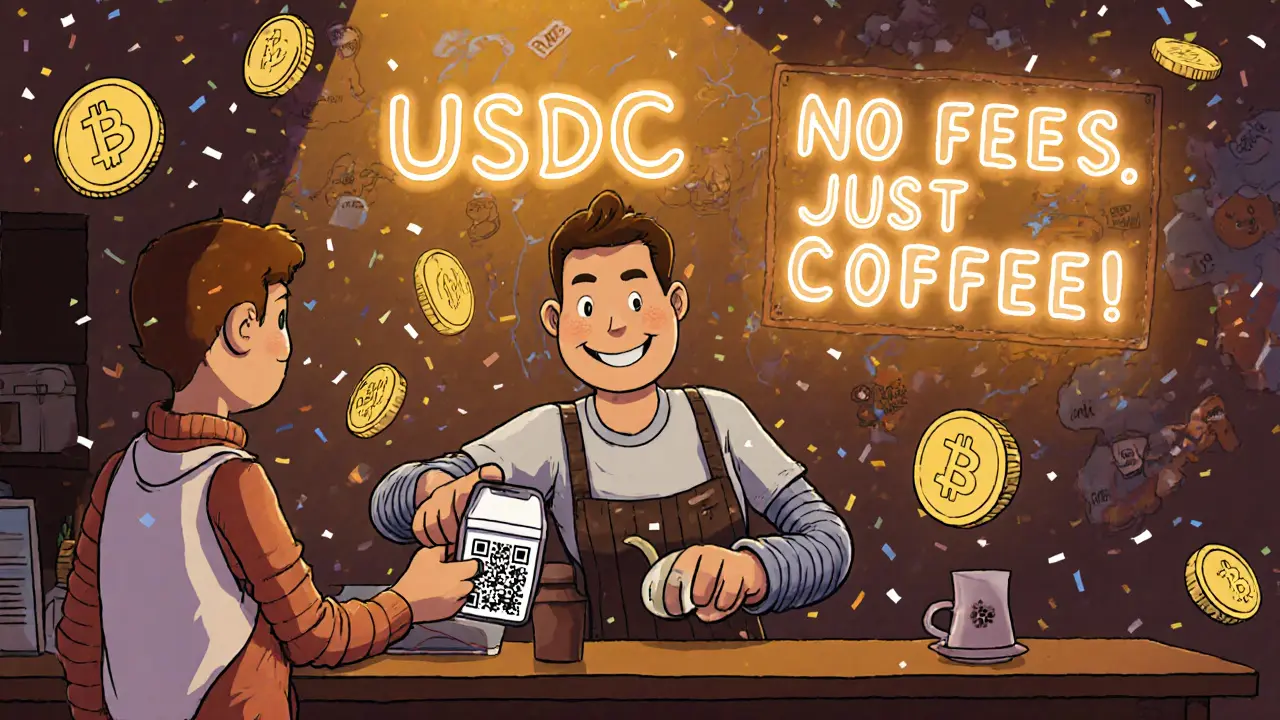
DeFi is no longer experimental-it's cutting payment costs for small businesses, enabling global lending without banks, and integrating with government digital currencies. Here's how it works in 2025 and how you can use it safely.