DOP Token: What It Is, How It Works, and Where It’s Used
When you hear DOP token, a cryptocurrency built to enable decentralized identity and privacy-preserving transactions on blockchain networks. It's not just another coin—it's a key that unlocks control over who sees your data, when, and why. Unlike coins that track your spending, DOP is designed to let you prove who you are without handing over your name, address, or ID number. This matters because most online systems still force you to surrender personal details just to log in or verify your age. DOP changes that by using zero-knowledge proofs and decentralized identifiers, the same tech behind privacy-focused blockchains like Beldex and systems that fight insurance fraud with tamper-proof records.
DOP doesn’t work alone. It connects to decentralized identity, a system where users own and control their digital credentials instead of relying on companies or governments to hold them. This is the same idea behind blockchain-based KYC privacy tools that let you prove you’re over 18 without showing your driver’s license. DOP also ties into privacy coins, cryptocurrencies designed to hide transaction details so your financial activity can’t be traced. Think of it like cash, but on a blockchain—no one can see who sent what or where it went. That’s why projects using DOP often overlap with those focused on encrypted messaging, anonymous staking, or bypassing crypto bans in places like Iran.
What you won’t find with DOP is flashy marketing or a celebrity endorsement. Its value comes from real use cases: a healthcare app in Europe letting patients share medical records only with authorized doctors, a lending platform in Southeast Asia that approves loans without asking for bank statements, or a gaming platform where you prove you’re not a bot without giving your email. These aren’t theoretical—they’re happening now, quietly, in the background of blockchain projects that care more about function than hype. The DOP token is the fuel for these systems, not the show.
What you’ll find below are real stories about tokens and tools that operate in the same space. Some are direct partners of DOP. Others use the same principles—privacy, control, verification without exposure. You’ll read about how blockchain is cutting insurance fraud, how Iranians bypass crypto bans using stablecoins, and why some tokens with trillion supplies are pure noise. The DOP token isn’t the star of every post, but its philosophy runs through them all: your data belongs to you. Not the exchange. Not the app. Not the government. And if you’re tired of giving it away for free, these are the projects worth paying attention to.
2 Dec
2025
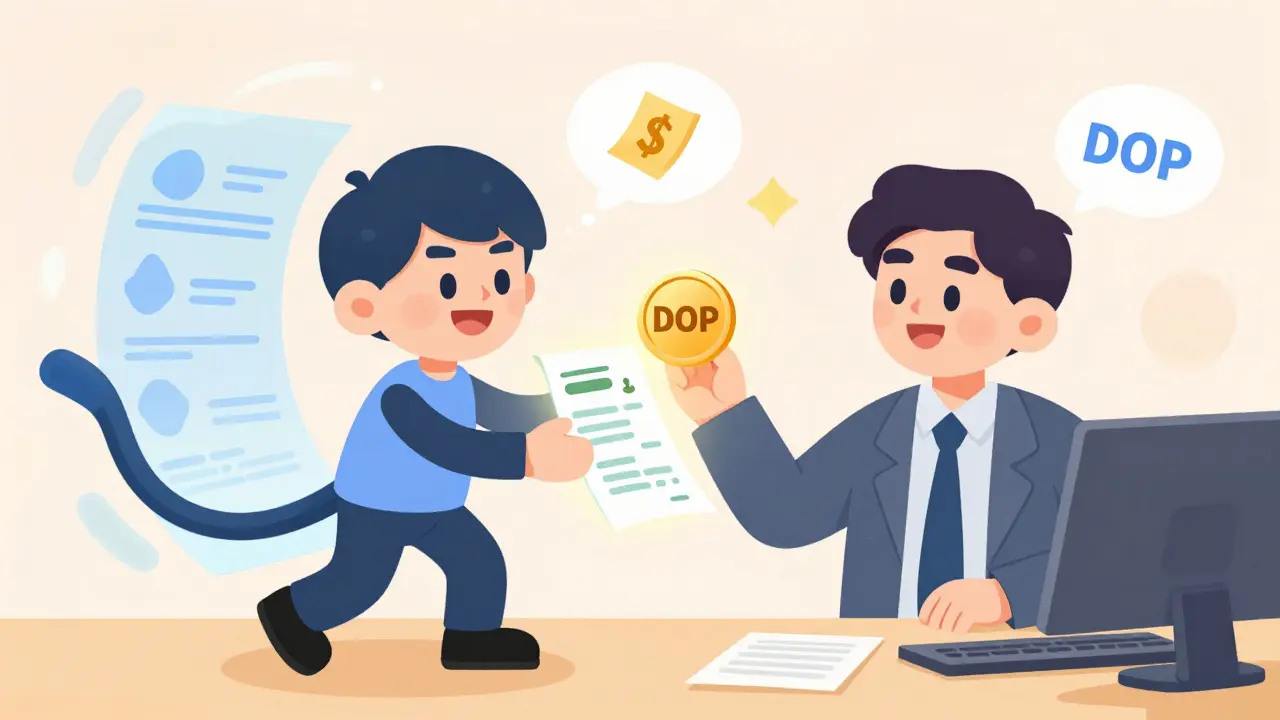
Data Ownership Protocol (DOP) is an Ethereum-based privacy protocol that lets users control their on-chain data with selective transparency. Unlike anonymous coins, DOP enables private transactions while generating compliance-ready audit trails for businesses.