El Salvador Bitcoin Law: What It Changed and How It Still Matters
When El Salvador Bitcoin law, the landmark 2021 legislation that made Bitcoin legal tender in a sovereign nation. Also known as Bitcoin Legal Tender Law, it was the first time any country gave a cryptocurrency the same status as its national currency. This wasn’t a test run or a pilot—it was a full-scale government shift. People could pay taxes with Bitcoin. Businesses had to accept it. The state even launched a digital wallet, Chivo, to make it easy. But behind the headlines, the real story is about control, trust, and what happens when a small nation bets everything on a decentralized network.
The Bitcoin, a decentralized digital currency built on blockchain technology with a fixed supply of 21 million coins wasn’t chosen because it was stable—it was chosen because it was outside traditional banking. El Salvador’s economy had long been tied to the U.S. dollar, but remittances from abroad—nearly 20% of GDP—cost a fortune to send. Bitcoin promised lower fees. The cryptocurrency regulation, the set of rules and policies governments create to govern digital asset use, trading, and taxation in El Salvador was intentionally light. No capital gains tax on Bitcoin transactions. No licensing for exchanges. The idea was to cut out middlemen entirely. But without clear rules, scams bloomed. Chivo wallets were hacked. People lost money. And while some small vendors adopted Bitcoin, most consumers still preferred dollars.
The El Salvador crypto, the broader ecosystem of digital asset usage, mining, and policy experimentation in El Salvador since 2021 movement didn’t die—it just got quieter. Mining using geothermal energy from volcanoes became a real thing. Bitcoin bonds were proposed. The country bought more Bitcoin during dips. Meanwhile, the digital currency adoption, the process by which individuals, businesses, and governments begin using digital assets as part of daily economic activity story elsewhere started to change. Countries like Nigeria, Argentina, and Ukraine looked at El Salvador and saw both the risks and the opportunity. Not everyone followed. But everyone watched. The world learned that making Bitcoin legal doesn’t mean people will use it—but it does mean you can’t ignore it anymore.
What you’ll find here aren’t just news updates. These are deep dives into how the law played out on the ground, who lost money, who won, and what lessons other nations are stealing—or avoiding. You’ll see how Bitcoin’s role in El Salvador connects to everything from blockchain verification to crypto taxation and sanctions evasion. This isn’t about hype. It’s about what actually happened when a country bet its economy on code.
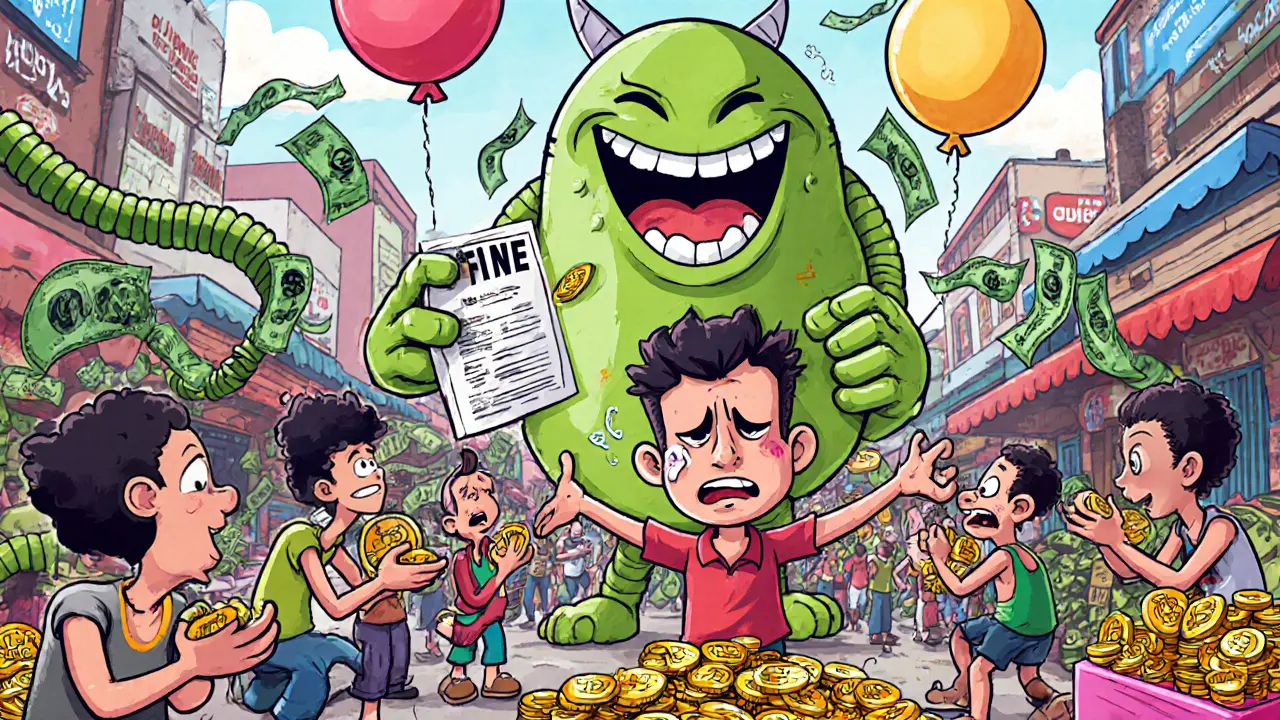
El Salvador made Bitcoin legal tender in 2021, but global reactions were mixed. While crypto supporters cheered, financial institutions warned of risks. Real-world adoption failed to meet expectations, revealing deeper challenges for cryptocurrency as official currency.