Iran Crypto Regulations: How Iranians Bypass Restrictions in 2025
When the Iranian government cracked down on cryptocurrency, it wasn’t to stop innovation—it was to stop people from saving money. Iran crypto regulations, a set of state-imposed restrictions that block access to global crypto exchanges and criminalize peer-to-peer trading. Also known as crypto bans in Iran, these rules were meant to control capital flight as the rial collapsed. But instead of stopping crypto, they forced Iranians to build a hidden, decentralized financial system.
What followed wasn’t rebellion—it was adaptation. People started using DAI stablecoin, a decentralized, USD-pegged token built on Polygon that doesn’t need a bank to move. Also known as stablecoin workaround, DAI became the new cash—passed through Telegram, exchanged via local traders, and stored in non-custodial wallets like MetaMask. Meanwhile, VPNs for crypto Iran, tools that mask internet traffic to bypass state firewalls. Also known as crypto access tunnels, they let users reach Binance, OKX, and other platforms blocked by the government. These aren’t just tech tricks—they’re survival tools.
The government responds with arrests and fines, but the system keeps running. Why? Because crypto isn’t optional anymore. For a teacher paid in rials that lose 40% of their value in a month, or a small business owner who can’t access foreign suppliers, crypto is the only way to feed their family. The Binance Iran access, the unofficial gateway to global markets through local P2P sellers. Also known as Iranian crypto lifeline, it’s not about speculation—it’s about keeping savings from vanishing overnight.
What you’ll find in the posts below aren’t theoretical guides or hype-filled tutorials. These are real stories from inside Iran’s underground crypto network: how people trade DAI without a bank, why Telegram groups replaced exchanges, what happens when the government shuts down a P2P seller, and how one family saved their life savings using nothing but a phone and a VPN. This isn’t about politics. It’s about people building a financial escape hatch—right under the state’s nose.
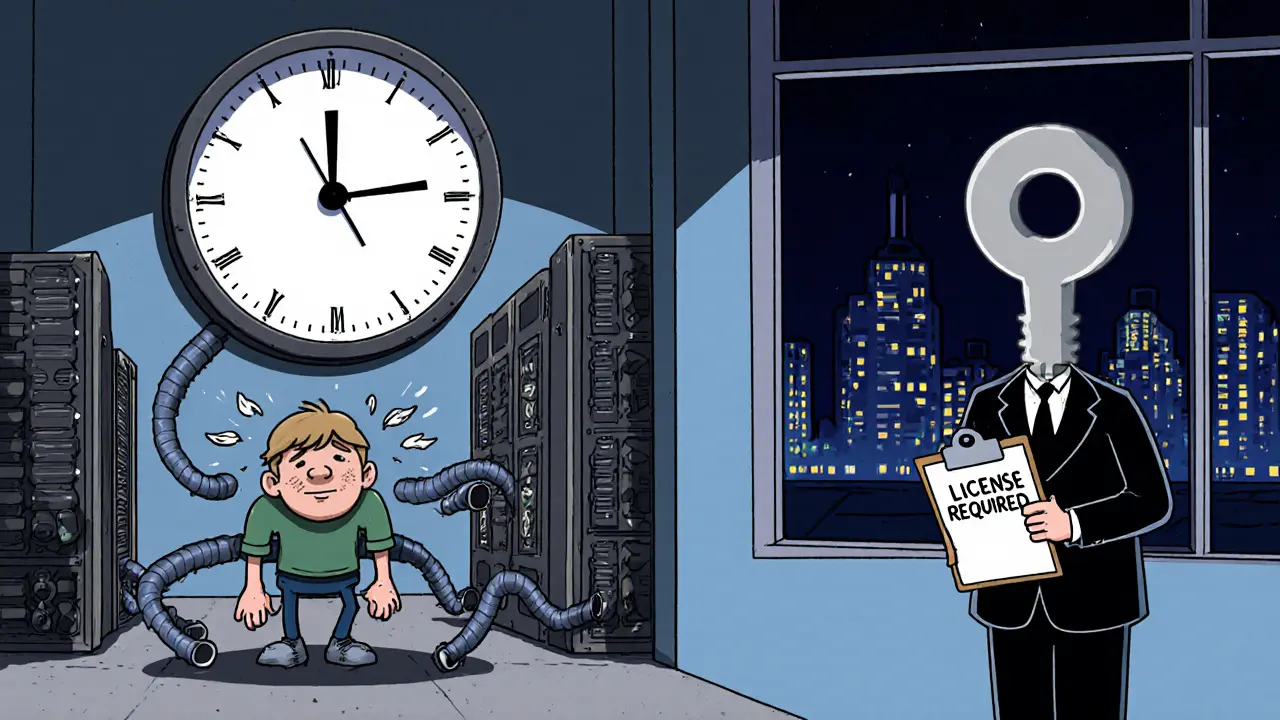
Crypto mining in Iran is legal in 2025 but tightly controlled by the government. Miners face high electricity costs, sudden bans, and a two-tier system favoring state-linked operations. The future points toward a state-controlled digital currency.