Luxury Blockchain: High-End Use Cases and Real-World Applications
When we talk about luxury blockchain, a niche segment of blockchain technology used by high-value industries to secure assets, verify authenticity, and enable traceability. Also known as enterprise blockchain, it's not about public coins or meme tokens—it's about trust at scale. This isn’t sci-fi. It’s what Swiss watchmakers, fine art galleries, and private banks use daily to prove a diamond’s origin, a painting’s chain of custody, or a luxury handbag’s legitimacy—all without relying on paper certificates or shady middlemen.
Permissioned blockchain, a closed network where only approved participants can validate transactions. Also known as private blockchain, it’s the backbone of luxury blockchain systems. Unlike Bitcoin’s open chaos, these networks run on strict rules, often using Byzantine Fault Tolerance, a consensus method that keeps systems secure even if some nodes fail or act maliciously. That’s why companies like LVMH and Richemont use it—they need reliability, not decentralization for its own sake. These systems don’t need thousands of nodes. They need five trusted ones that can’t be fooled.
And it’s not just about tracking. Formal verification, a mathematical method to prove smart contracts behave exactly as intended under every possible condition is now standard for high-value blockchain applications. A single bug in a smart contract that handles a $2 million art sale could cost millions. That’s why luxury blockchain projects use tools like Certora and Coq—they don’t guess. They prove. This isn’t optional. It’s the difference between a secure asset and a lawsuit.
What you’ll find in this collection isn’t hype. It’s real tech behind real value. You’ll read about how Merkle trees verify ownership without exposing full transaction histories, how enterprises choose PBFT over Proof of Work, and why quantum computing is a real threat to even the most secure systems. These aren’t theoretical debates—they’re decisions being made right now in boardrooms from Geneva to Singapore. Whether you’re tracking a rare watch, verifying a diamond, or securing a private ledger, the same principles apply: precision, proof, and zero room for error.
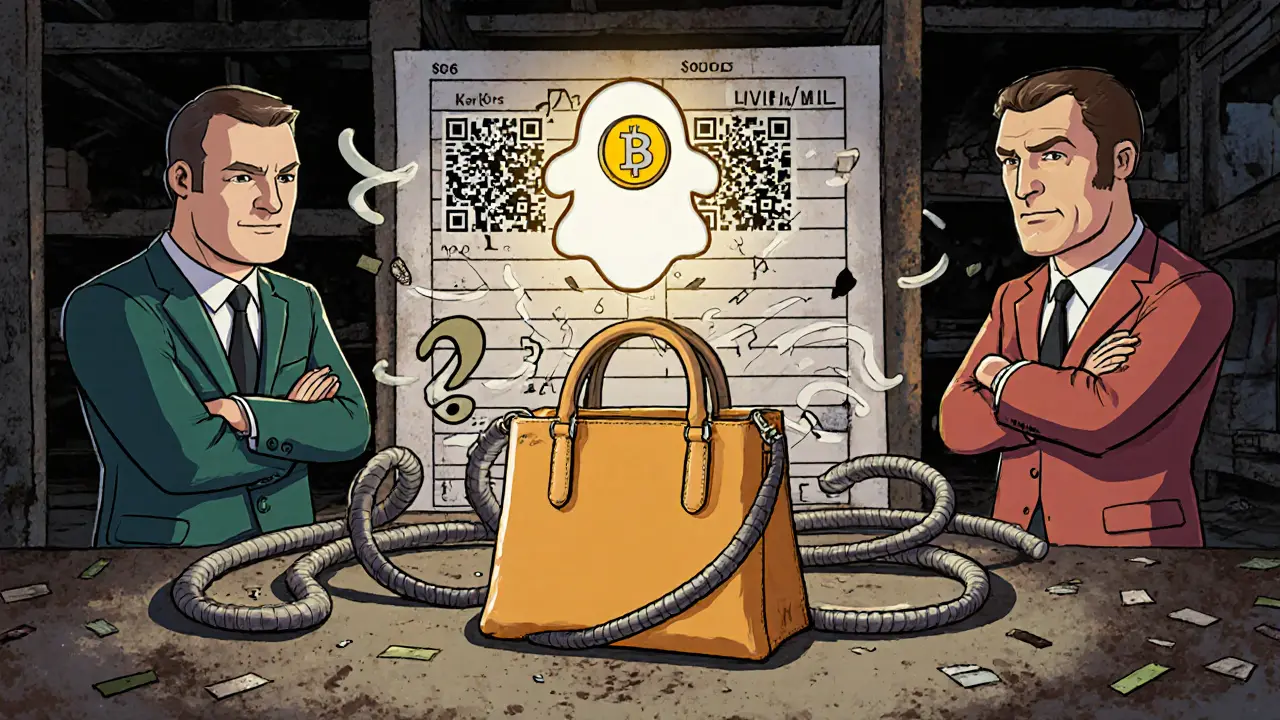
LUXO is a niche cryptocurrency designed to authenticate luxury goods using blockchain. But without partnerships from major brands, it remains unused and under-traded, making it a high-risk, low-reward asset.