OFSI Compliance: What It Means for Crypto Users and How It Affects Your Transactions
When you send or receive cryptocurrency, you might not think about OFSI compliance, the UK’s Office of Financial Sanctions Implementation, which enforces financial sanctions to block illicit funding and protect national security. Also known as UK crypto sanctions enforcement, it’s not just for banks — it applies to anyone using crypto in or out of the UK. If you’re trading on an exchange, participating in an airdrop, or moving funds between wallets, OFSI can freeze your assets if you’re linked to a sanctioned person, entity, or country — even if you didn’t know about it.
That’s why OFSI compliance matters more than ever. The UK has added dozens of crypto addresses and blockchain addresses tied to Russian entities, Iranian mining operations, and North Korean hacking groups to its sanctions list. Exchanges like Crypto.com and Luno must block transactions to these addresses, or they risk losing their operating licenses. Even if you’re not in the UK, if you use a UK-based service or send crypto to someone who does, you’re under OFSI’s reach. It’s not about suspicion — it’s about traceability. Every transaction on-chain can be mapped, and OFSI uses blockchain analytics tools to track funds moving through mixers, bridges, or decentralized exchanges. If you’re holding a token like A7A5 or using a service like Grinex — both flagged for sanctions evasion — you’re already on the radar.
OFSI doesn’t just target bad actors. It also impacts legitimate users. If you’re in Iran and using DAI to protect your savings, or in Colombia trading crypto without formal oversight, your wallet could get flagged if it ever interacted with a sanctioned address — even once. That’s why many users now avoid any token or exchange with even a remote link to sanctioned jurisdictions. Formal verification of smart contracts, blockchain node security, and even seed phrase protection all matter — but none of it helps if OFSI freezes your account because you accepted a token from a compromised wallet.
What you’ll find here are real cases — from airdrop scams tied to sanctioned entities, to exchanges that got shut down for ignoring OFSI rules, to how Russian crypto networks evolved to stay under the radar. These aren’t theoretical warnings. They’re the lived reality of crypto users navigating global sanctions in 2025. You don’t need to be a lawyer to stay safe — you just need to know where the lines are drawn.
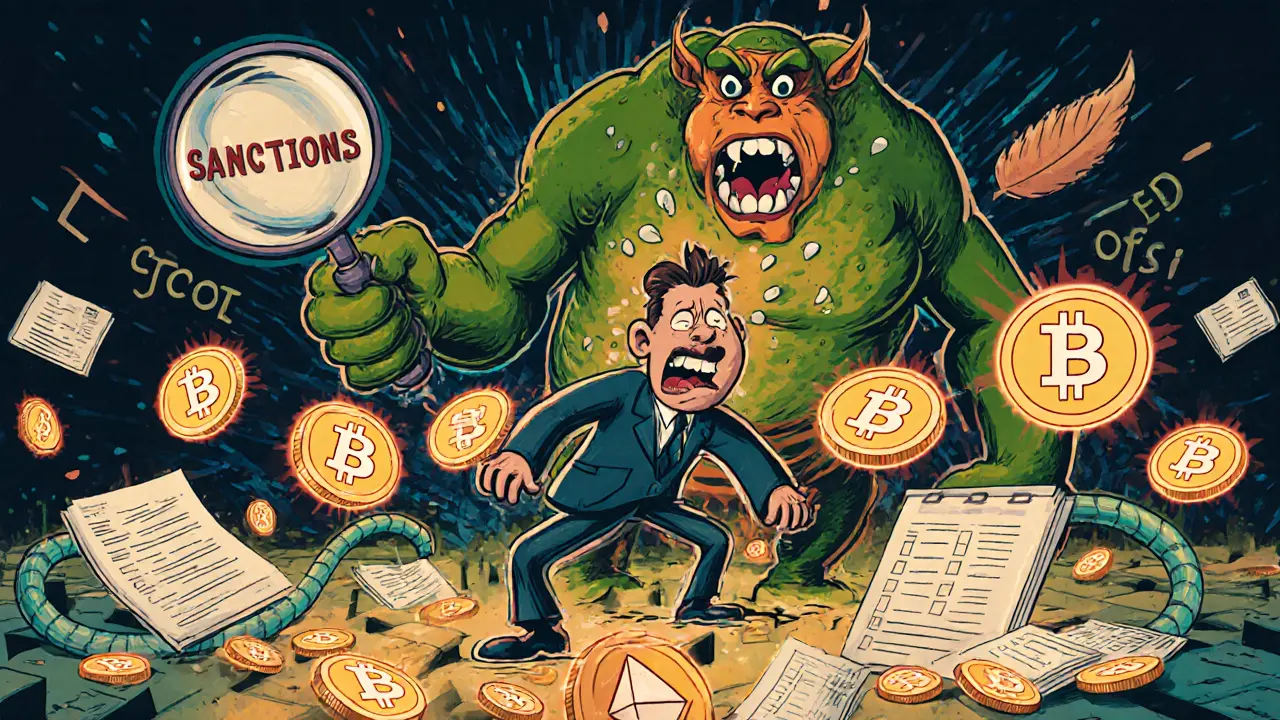
UK crypto firms must now use real-time blockchain tools to prevent sanctions evasion. With OFSI reporting widespread under-reporting and new fines hitting millions, compliance is no longer optional-it's a survival requirement.