Real Estate Tokenization: How Blockchain Is Changing Property Ownership
When you hear real estate tokenization, the process of converting ownership of physical property into digital tokens on a blockchain. Also known as property tokenization, it lets you buy a slice of a building, apartment complex, or even a commercial office—without needing millions in cash. This isn’t sci-fi. It’s happening right now, with people in the U.S., Singapore, and Switzerland buying fractions of rental properties using crypto wallets instead of lawyers and bank forms.
At its core, blockchain property, a system where land and buildings are represented as digital assets on a distributed ledger removes middlemen. Traditional real estate deals take weeks, involve notaries, title insurers, and banks. Tokenization cuts that down to hours. The property’s deed, rental income, and maintenance costs are coded into a smart contract, self-executing code on a blockchain that automatically handles payments, ownership transfers, and rules. No one can change the terms without approval from everyone who holds a token. That’s why governments and private firms are testing this for affordable housing, commercial real estate, and even farmland.
And it’s not just about convenience. fractional ownership, the ability to own a small, affordable share of a high-value asset like a Manhattan penthouse or a warehouse in Texas opens up investing to people who could never afford a whole property. A $2 million building can be split into 20,000 tokens at $100 each. Suddenly, a teacher in Ohio or a nurse in Mexico can earn rental income from a property they’ve never seen. This isn’t speculation—it’s access. And it’s backed by real projects: a 2023 pilot in Switzerland tokenized a 12-unit apartment block, and investors received monthly rent payouts directly to their wallets.
But here’s the catch: not every tokenized property is legit. Some are just crypto scams dressed up with property photos. That’s why the posts below dig into what actually works—the platforms with verified deeds, audited smart contracts, and real cash flow. You’ll find guides on how to spot fake tokenized real estate, which blockchains handle property records best, and how taxes work when you own 0.03% of a building in Dubai. You’ll also see how regulators are catching up, what happens when a tokenized building gets sold, and why some developers are ditching traditional mortgages for blockchain-based loans. This isn’t about hype. It’s about understanding the new rules of owning something real—with digital keys.
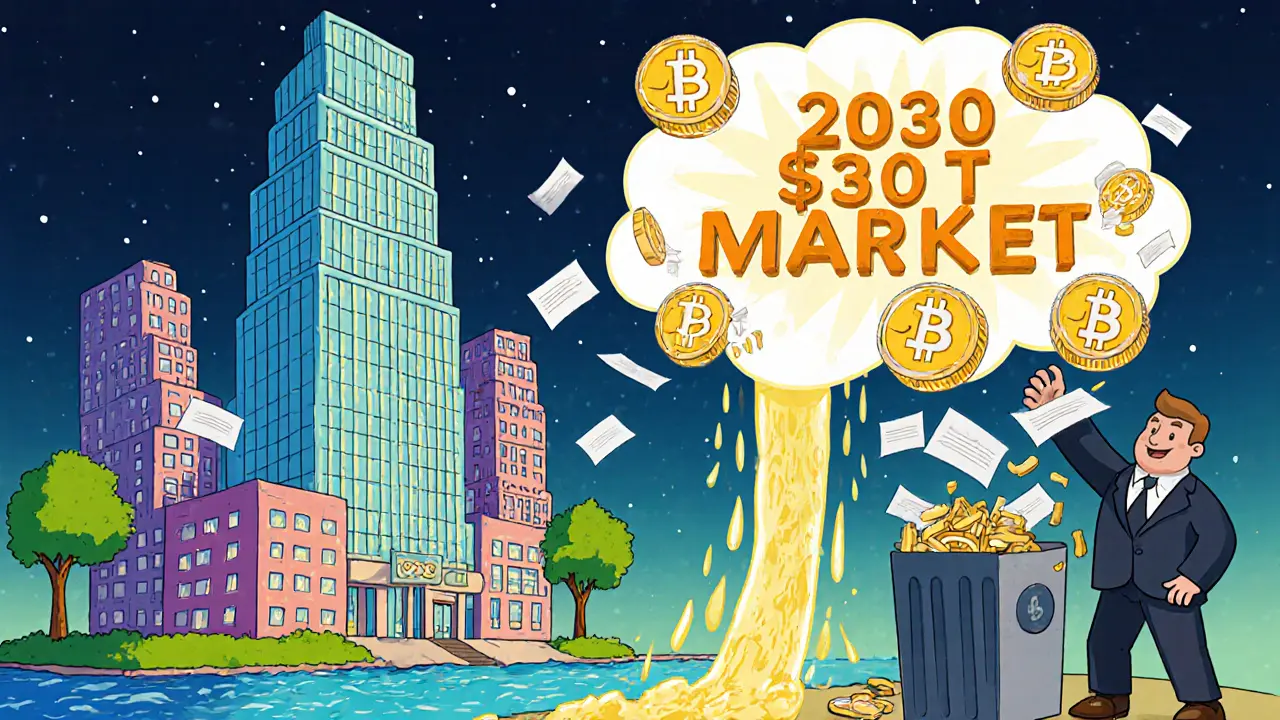
Security token markets are transforming how assets like real estate, bonds, and commodities are owned and traded using blockchain. With institutional adoption rising and regulations clarifying, this $250B market could hit $30T by 2030.