SEC Cryptocurrency Enforcement: What It Means for Your Crypto Holdings
When the SEC cryptocurrency enforcement, the U.S. Securities and Exchange Commission’s actions against digital assets it classifies as unregistered securities hits, it doesn’t just affect big companies—it touches every holder of crypto. If you own tokens that look like investments—especially if they promise returns, staking rewards, or future profits—you’re already in the SEC’s crosshairs. This isn’t about banning crypto. It’s about forcing projects to play by the same rules as stocks and bonds. And if they don’t? The SEC doesn’t just send a warning. It sues, freezes assets, and forces refunds.
Related entities like crypto regulation, the set of legal rules governing how digital assets are issued, traded, and reported and crypto compliance, the steps companies take to follow those rules and avoid penalties are now non-negotiable. Projects like Alpha Quark Token and MixMarvel, which tie token value to future revenue or intellectual property rights, are classic examples of what the SEC calls securities. Even airdrops can trigger enforcement if they’re structured as promotional investments. Meanwhile, exchanges like HitBTC and Zeddex, operating without clear licenses, are getting shut down—not because they’re fraudulent, but because they’re unregistered brokers. The SEC doesn’t care if you’re a small trader. If you’re buying tokens from an unregistered platform, you’re at risk too.
The SEC crypto crackdown, the aggressive legal campaign targeting unregistered digital asset offerings and trading platforms has reshaped how crypto operates in the U.S. It’s why UK firms now need real-time blockchain monitoring tools, why Iran’s miners face state control, and why Russia’s sanctions evasion tactics rely on obscure tokens. The pattern is clear: if a crypto project acts like a security, the SEC treats it like one. That’s why formal verification of smart contracts, blockchain node counts, and even seed phrase security matter less than knowing if your asset is legally classified. You can’t mine your way out of a lawsuit. You can’t stake your way past a subpoena.
What you’ll find below isn’t theory. It’s real cases. From the lawsuit against a meme coin with 420 trillion supply to how the UK’s OFSI tracks sanctions evasion using crypto, these posts show exactly how the SEC’s actions ripple through the ecosystem. You’ll see which coins got flagged, which exchanges got shuttered, and how ordinary users got caught in the middle. This isn’t about fear. It’s about awareness. If you’re holding crypto, you need to know where the lines are—and how to stay on the right side of them.
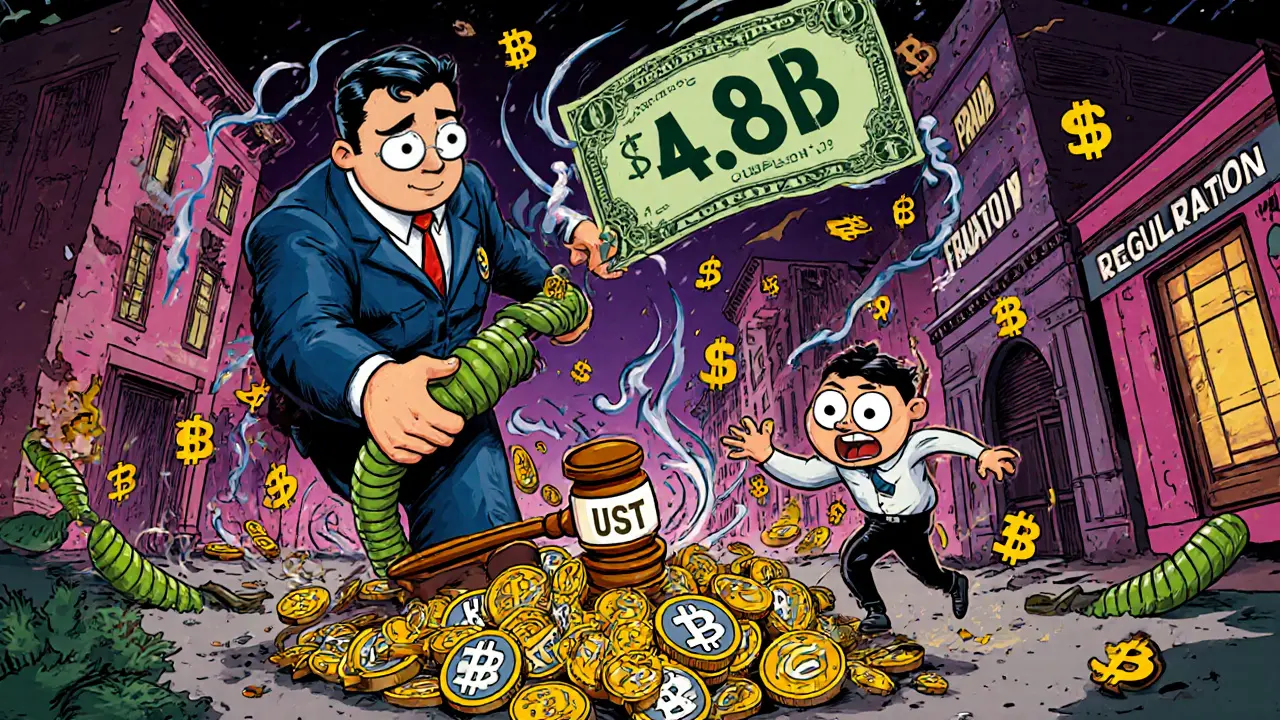
The SEC fined crypto firms $4.68 billion in 2024 - mostly from one case. But after a leadership change, enforcement shifted from registration rules to fraud. Here's what changed, why it matters, and what's next.