Smart Contracts: What They Are and How They Power Blockchain Applications
When you hear smart contracts, self-executing digital agreements that run on blockchain networks without needing a middleman. Also known as blockchain contracts, they automatically trigger actions—like sending crypto or unlocking an NFT—when conditions are met. Think of them like vending machines: you put in the right input (say, 1 ETH), and the machine gives you exactly what’s programmed to come out (like a digital ticket or token). No bank, no lawyer, no waiting—just code doing what it was told.
Smart contracts are the backbone of Ethereum, the most widely used blockchain for running decentralized apps. But they’re not just for crypto trading. They power lending platforms where you can borrow money without a credit check, NFT marketplaces that automatically pay royalties to artists, and even insurance policies that pay out if a flight is delayed. They’re also behind DeFi protocols that let you earn interest just by locking up your crypto. And while Ethereum is the most common home for smart contracts, other chains like Solana and Binance Smart Chain run them too—each with different speeds, costs, and security trade-offs.
What makes smart contracts powerful is that they’re transparent and tamper-proof. Once deployed, no one—not even the creator—can change them. That’s great for trust, but dangerous if there’s a bug. The infamous DAO hack in 2016 happened because of a flaw in a smart contract, and it cost users over $60 million. That’s why checking if a contract has been audited matters more than the project’s marketing. A well-written contract doesn’t need hype—it just works.
Smart contracts don’t exist in a vacuum. They rely on blockchain, a distributed ledger that records every transaction and ensures no one can cheat the system. They also need decentralized applications, software that runs on blockchain networks instead of centralized servers to interact with users. Without these, a smart contract is just code sitting idle. That’s why most real-world uses involve wallets, tokens, or DeFi interfaces—you’re not writing code yourself, you’re clicking buttons that trigger pre-built contracts behind the scenes.
Today, smart contracts are everywhere in Web3. They’re in the background of every airdrop you qualify for, every NFT you mint, every yield farm you join. But they’re also the reason so many scams exist—fake contracts that look real but drain your wallet the moment you connect it. That’s why understanding how they work isn’t just for developers. It’s your first line of defense. You don’t need to read Solidity code to stay safe. But you do need to know when something looks off: a contract asking for too many permissions, a link that doesn’t match the official site, or a promise that sounds too good to be true. The best smart contracts don’t shout—they just work.
Below, you’ll find real-world breakdowns of how smart contracts show up in crypto projects—from the technical details of blockchain verification to the scams hiding in plain sight. Some posts explain how Merkle trees help verify contract data. Others warn about fake tokens built on bad contracts. You’ll see how enterprises use secure consensus systems, how privacy layers try to hide contract details, and why some tokens vanish because their contracts were never properly tested. This isn’t theory. It’s what’s happening right now—and what you need to know before you click "approve" on your next transaction.
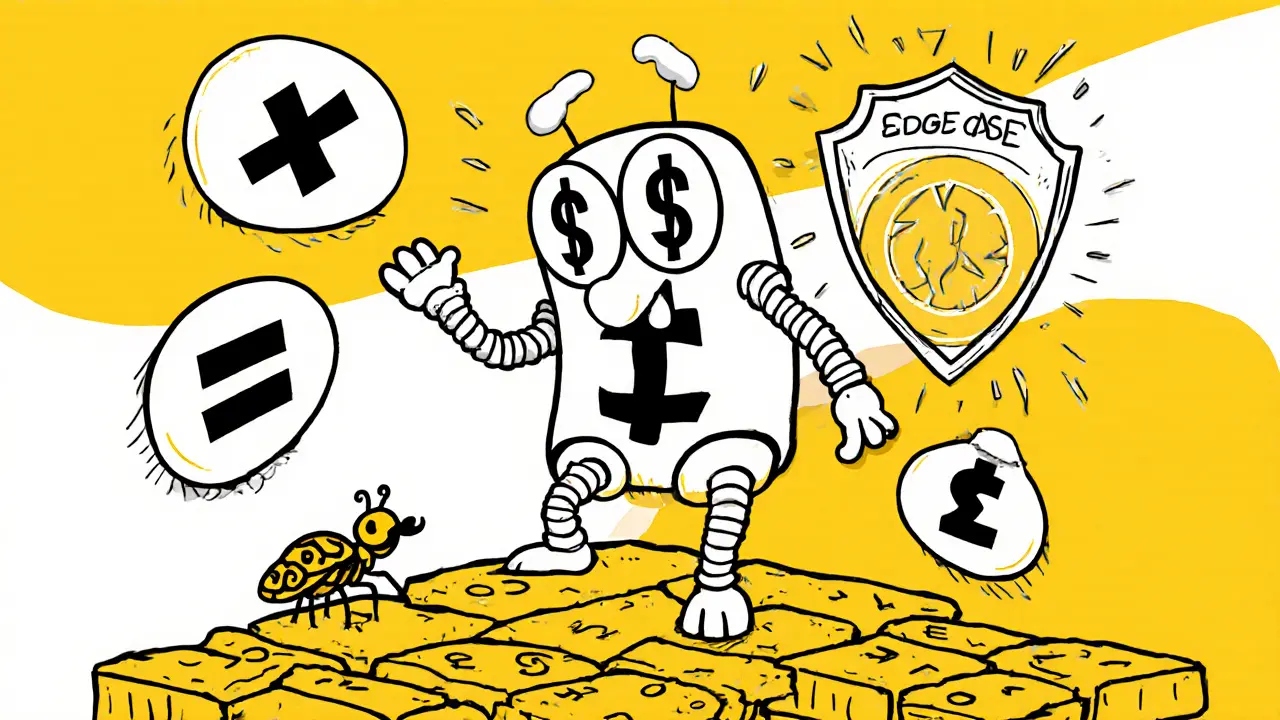
Formal verification uses math to prove smart contracts behave correctly under all conditions. It's now standard for high-value DeFi protocols and required by regulators. Learn how it works, which tools to use, and when you need it.
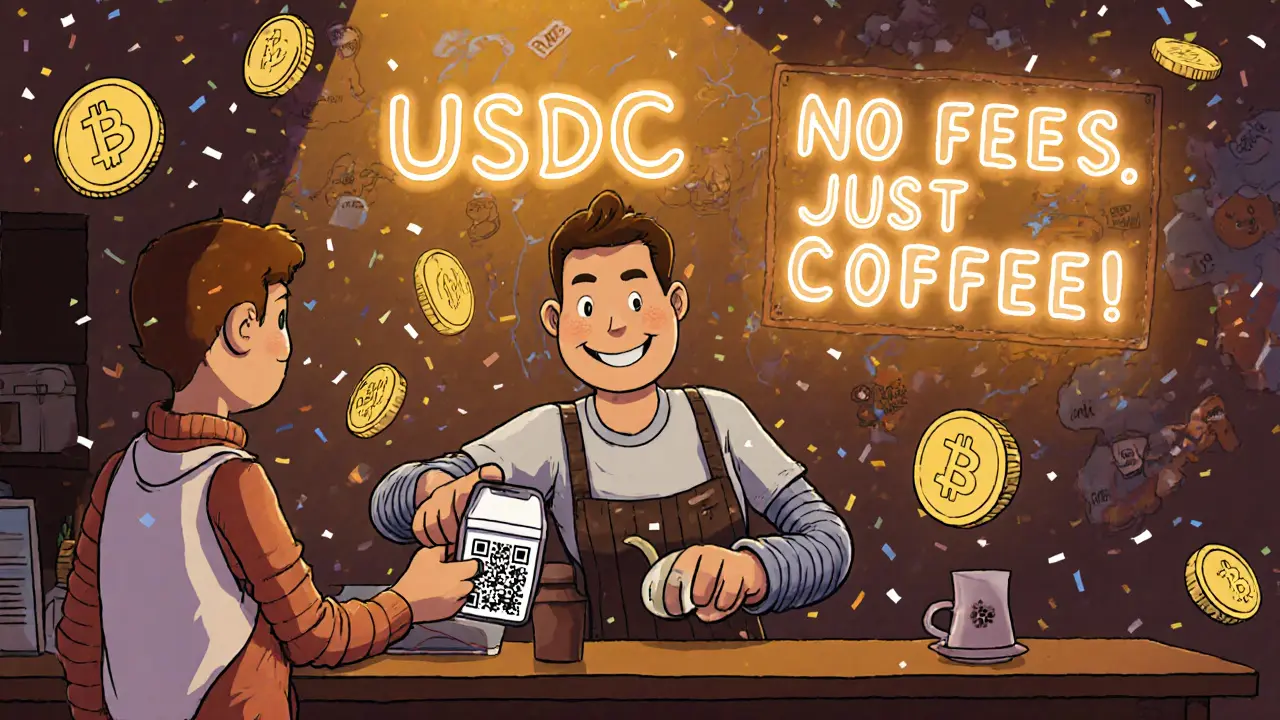
DeFi is no longer experimental-it's cutting payment costs for small businesses, enabling global lending without banks, and integrating with government digital currencies. Here's how it works in 2025 and how you can use it safely.
30 Jan
2025

Chainlink (LINK) is the leading decentralized oracle network that connects smart contracts to real-world data. It powers DeFi, enterprise systems, and blockchain applications by securely bringing in price feeds, weather data, sports results, and more - solving the critical oracle problem.