STO Explained: Security Token Offerings and How They Differ from ICOs
When you hear STO, a Security Token Offering is a regulated way to raise capital using blockchain-backed tokens that represent ownership in real assets like equity, real estate, or revenue streams. Also known as security token offering, it’s not a gamble—it’s a legal investment vehicle built on blockchain. Unlike ICOs that sold unregulated utility tokens with no backing, STOs follow securities laws. That means they require KYC, audits, and compliance with agencies like the SEC. This isn’t just buzzword bingo—it’s what keeps your money safer when you invest.
STOs relate directly to tokenization, the process of turning real-world assets like art, real estate, or company shares into digital tokens on a blockchain. You can now own a fraction of a building or a share of a film’s profits, all tracked on-chain. This isn’t theoretical—projects are already using it to unlock liquidity for illiquid assets. Then there’s blockchain regulation, the legal framework that governs how digital assets are issued, traded, and reported to authorities. Countries like Switzerland, Malta, and the U.S. have clear rules. Others are still catching up. That’s why STOs are growing in places with legal clarity, and why you’ll find so many posts here about compliance, audits, and exchange listings.
STOs don’t exist in a vacuum. They’re shaped by ICO, the unregulated crypto fundraising method that peaked in 2017 and collapsed under fraud and lack of oversight. The failure of so many ICOs is exactly why STOs were created. Investors got burned. Regulators stepped in. Now, you’re not just buying a token—you’re buying into a legally recognized asset class. That’s why posts here cover everything from formal verification of smart contracts to crypto tax rules and exchange reviews. You need to know how the system works before you commit your money.
What you’ll find below isn’t a list of hype. It’s a collection of real-world cases: how companies use STOs to raise funds, what happens when regulators crack down, how tokens are structured, and why some projects fail even with compliance. You’ll see how Merkle trees verify ownership records, how Byzantine Fault Tolerance keeps enterprise blockchains secure, and why Bitcoin nodes matter for trust in any system. You’ll also find warnings about scams pretending to be STOs—and guides on how to tell the difference. This isn’t about getting rich quick. It’s about understanding what’s real, what’s regulated, and what actually holds value in today’s crypto landscape.
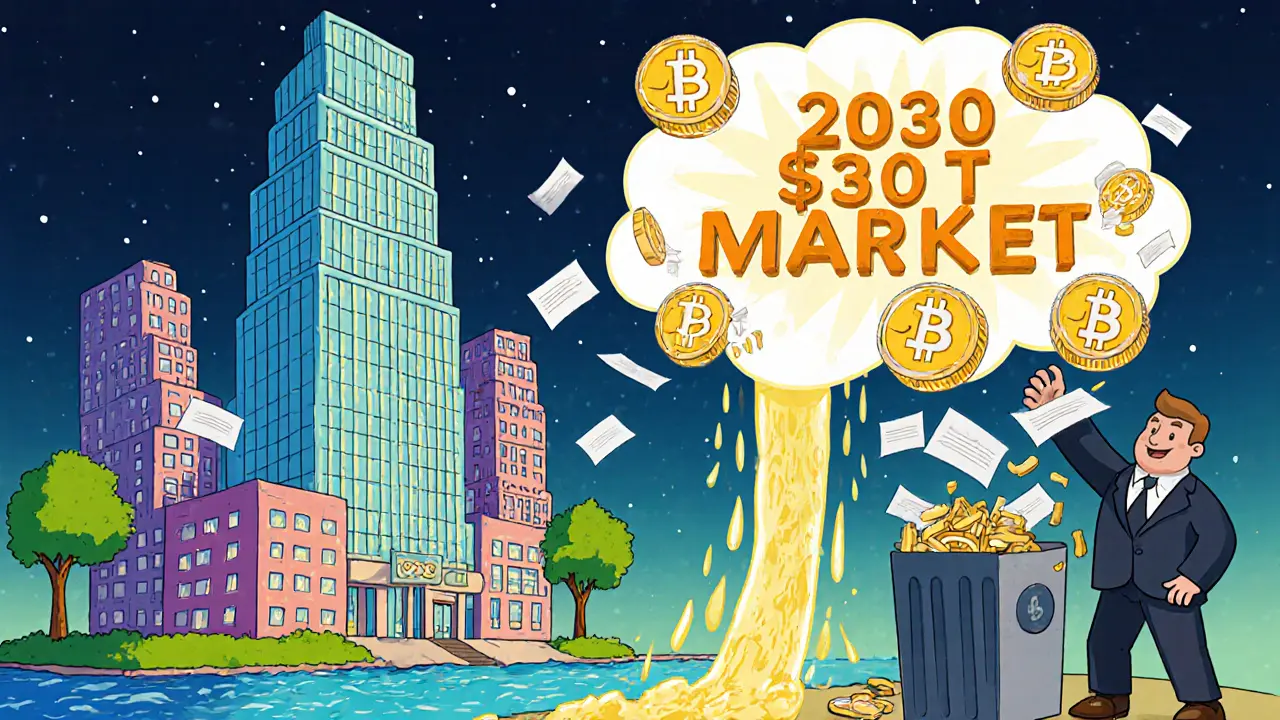
Security token markets are transforming how assets like real estate, bonds, and commodities are owned and traded using blockchain. With institutional adoption rising and regulations clarifying, this $250B market could hit $30T by 2030.