TSM Crypto: What It Is, Why It Matters, and What You Need to Know
When people search for TSM crypto, a term often mistaken for a legitimate cryptocurrency project. Also known as T23 crypto, it usually points to T23, a festive-themed play-to-earn token with a quadrillion supply and a market cap under $25,000. This isn’t a breakthrough blockchain project—it’s a meme coin built on the Binance Smart Chain, designed more for hype than utility. Most people who find TSM crypto online are actually chasing T23, a token with no team, no audit, and no real exchange listings beyond low-volume peer-to-peer trades.
These kinds of tokens—T23, ChainCade, Beckos—follow the same pattern: massive supply numbers, flashy themes, and zero real-world use. They don’t solve problems. They don’t improve payments or finance. They exist because someone created a token, named it something catchy, and pushed it through Telegram groups and TikTok clips. The blockchain underneath? It’s just BEP-20, a standard for tokens on the Binance Smart Chain. It’s not special. It’s not secure by default. It’s just a tool anyone can use, which is why scams and gimmicks thrive there. If you’re looking at TSM or T23, you’re not investing in technology—you’re gambling on whether someone else will buy it tomorrow at a higher price.
What’s interesting is how often these tokens get confused with real projects. People mix up TSM with T23 because the names look similar. Others think they’re part of a bigger gaming trend, like play-to-earn crypto, a model where users earn tokens by playing games. But play-to-earn only works when the game has real players, real rewards, and a sustainable economy. T23 has none of that. It’s a digital slot machine with a blockchain label. The same goes for other tokens in this space: MixMarvel and Gora Network actually build tools for developers. T23? It just spins.
If you’ve seen TSM crypto trending, you’re seeing the result of automated bots, fake social media accounts, and copy-paste Reddit posts. Real crypto moves on fundamentals: security, adoption, code audits, and clear team identities. TSM doesn’t have any of those. What it does have is a warning sign. Look at the posts below. You’ll find deep dives on how to spot fake airdrops, why meme coins collapse, and how to tell the difference between a project that’s trying to build something and one that’s just trying to take your money. The truth isn’t hidden—it’s buried under noise. Below, you’ll find the tools to dig it out.
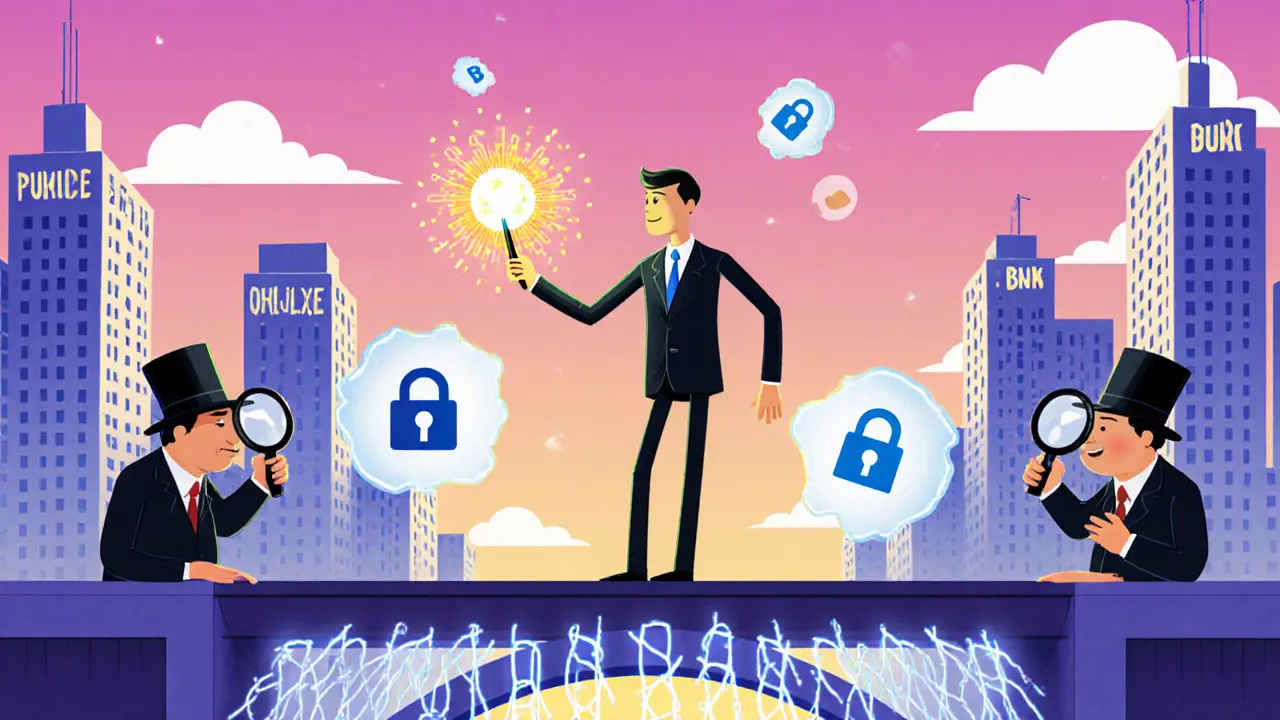
Tusima Network (TSM) is a privacy-focused Layer 2 blockchain designed for businesses needing regulatory-compliant data control. Unlike Monero or Zcash, it allows selective disclosure of transaction details. Low liquidity and unproven adoption make it high-risk.