zk-rollup crypto: How Zero-Knowledge Rollups Power Faster, Cheaper Blockchains
When you hear zk-rollup crypto, a type of Layer 2 scaling solution that bundles hundreds of transactions into a single cryptographic proof. Also known as zero-knowledge rollups, it lets blockchains like Ethereum handle far more transactions without slowing down or costing more. Unlike older scaling methods, zk-rollups don’t just hide data—they prove it’s correct using math so strong that even if one node is hacked, the whole system stays safe. This isn’t theory—it’s what’s making DeFi apps, NFT marketplaces, and gaming platforms run smoothly today.
Behind every zk-rollup is a Merkle tree, a data structure that turns thousands of transactions into one hash. This is the same tech used in Bitcoin nodes to verify balances without downloading the whole chain. Then there’s formal verification, a process where developers use math to prove smart contracts behave exactly as intended. Projects using zk-rollups often require this because a single bug can cost millions. These aren’t optional extras—they’re the reason zk-rollups are trusted by top DeFi protocols. You’ll also see Layer 2 solutions, a category that includes zk-rollups and optimistic rollups. But zk-rollups are faster to finalize and more secure because they don’t wait days to detect fraud. That’s why Ethereum’s biggest upgrades now center on them.
What you’ll find in these posts isn’t hype—it’s the real building blocks. You’ll read how Merkle trees make verification possible, why formal verification is now standard for high-value contracts, and how zk-rollups solve the exact problems that made earlier blockchains too slow or expensive. There’s no fluff here—just how the tech works, who’s using it, and what you need to know to understand the next wave of crypto scaling.
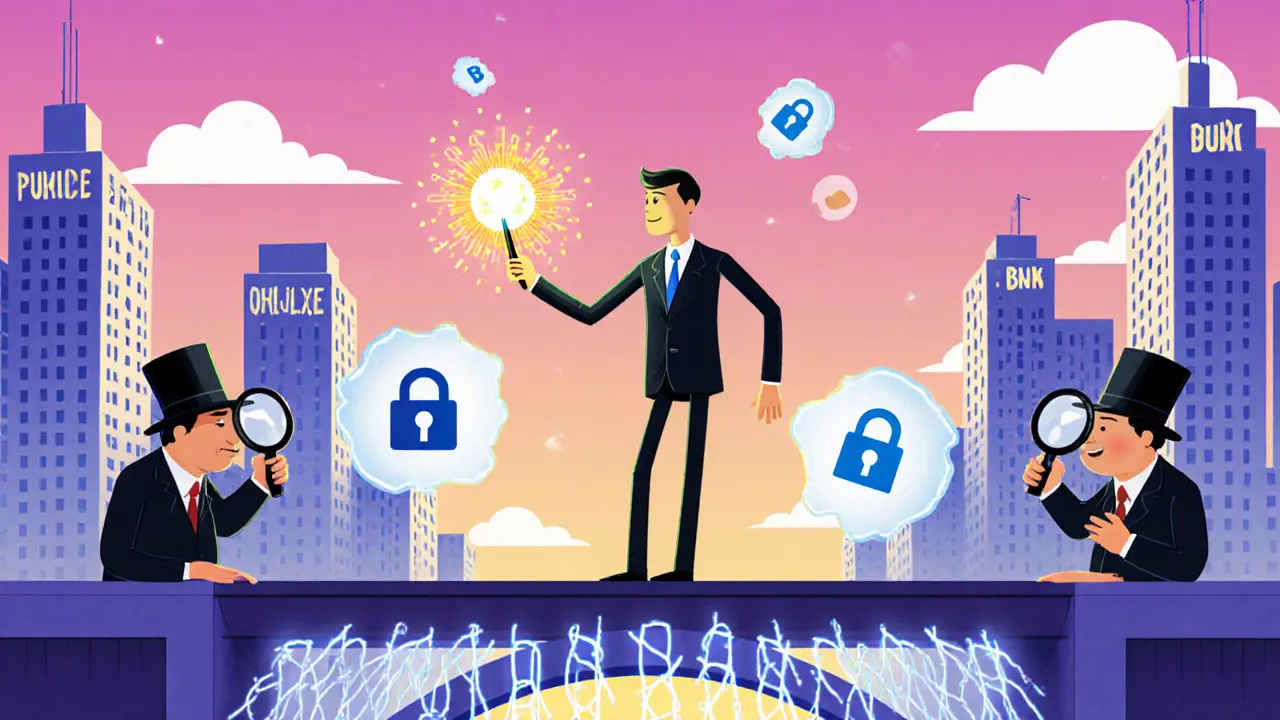
Tusima Network (TSM) is a privacy-focused Layer 2 blockchain designed for businesses needing regulatory-compliant data control. Unlike Monero or Zcash, it allows selective disclosure of transaction details. Low liquidity and unproven adoption make it high-risk.