Crypto Archive November 2025: Airdrops, Sanctions, and Blockchain Realities
When you look at the crypto archive for November 2025, a collection of real-world events, failed experiments, and working blockchain applications from that month. Also known as crypto history, it doesn’t show hype—it shows what actually happened when money, tech, and power collided. This isn’t a list of price predictions. It’s a record of how crypto moved in the real world: governments freezing assets, people bypassing bans, tokens disappearing with no warning, and protocols quietly becoming useful.
One of the biggest stories was the US sanctions on Myanmar crypto entities, a crackdown on a $10 billion scam network using forced labor in Shwe Kokko. Also known as OFAC crypto enforcement, this move showed regulators finally targeting crypto not as a financial tool, but as a weapon of human trafficking. Around the same time, Iranians, cut off from global finance by currency collapse, turned to DAI on Polygon and Telegram P2P to keep their savings alive. Also known as crypto resistance, this wasn’t speculation—it was survival. Meanwhile, Russia, facing Western sanctions, built a hidden crypto pipeline using tokens like A7A5 and exchanges like Grinex to move billions. Also known as sanctions evasion, this revealed how crypto’s openness can be exploited by state actors. These aren’t edge cases. They’re the new normal.
What’s Left When the Hype Dies?
November 2025 also buried a few once-promising projects. Monolith’s crypto debit card, which processed $113 million before shutting down, left TKN as a ghost token. ChainCade and Beckos floated with quadrillions of supply and zero utility. GZONE’s airdrop? A scam waiting for the next victim. These aren’t just failures—they’re warnings. Many tokens aren’t investments. They’re attention traps.
But not everything faded. Veno Finance kept growing as a liquid staking tool on Cronos and zkSync. Formal verification became standard for DeFi protocols. Merkle trees and Byzantine Fault Tolerance kept enterprise blockchains running quietly and securely. Bitcoin’s 24,000 nodes still held the network steady. Blockchain wasn’t dead—it was just getting serious.
What you’ll find here isn’t a list of winners or losers. It’s a map. Of who got sanctioned. Who got left behind. Who found a real use case. Who still has a shot. These posts don’t tell you what to buy. They tell you what to watch, what to avoid, and why the rules changed.

The CPR CIPHER 2021 airdrop was a CoinMarketCap distribution campaign meant to revive the struggling Cipher token. Learn what happened, why it failed, and whether your old CPR tokens are still worth anything.
29 Nov
2025

Monolith (TKN) was a pioneering crypto debit card that let Europeans spend ETH and other tokens like cash. It shut down in 2025 after processing $113M in transactions. TKN still trades, but has no utility left.
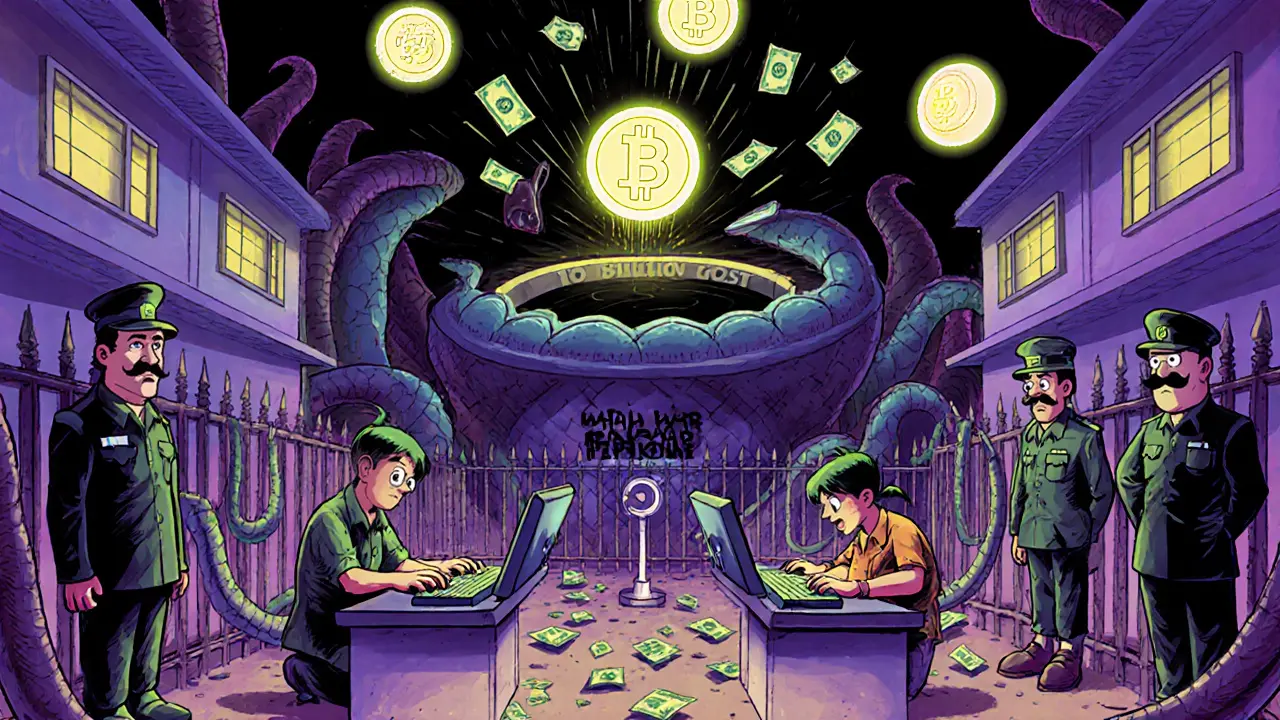
In September 2025, the U.S. sanctioned nine Myanmar-based crypto entities tied to a $10 billion cyber scam network operating in Shwe Kokko. These operations, protected by the Karen National Army, use forced labor to scam Americans. The sanctions freeze assets and block transactions, marking a major escalation in U.S. efforts to shut down crypto-fueled human trafficking rings.
27 Nov
2025

Veno Finance (VNO) is a multi-chain liquid staking protocol that lets you stake CRO, ATOM, and ETH while keeping your assets liquid. Earn auto-compounding rewards and use your staked tokens in DeFi - all without locking them up.
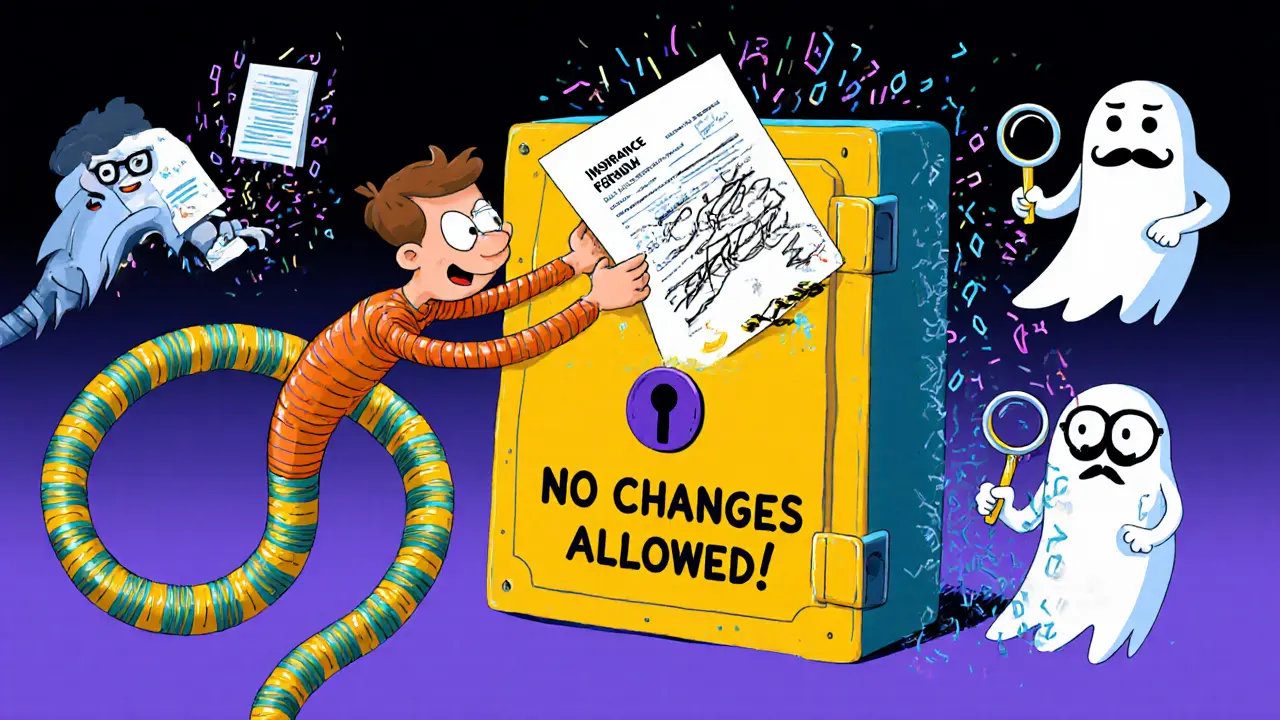
Blockchain is cutting insurance fraud by 68% in pilot programs by creating tamper-proof claims records. Learn how it works, who's using it, and why it's not a magic fix.

British Columbia has banned new cryptocurrency mining connections to its hydroelectric grid until December 2025, prioritizing clean energy for homes and businesses over energy-intensive crypto operations. Courts have upheld the ban, and permanent rules are coming.
24 Nov
2025
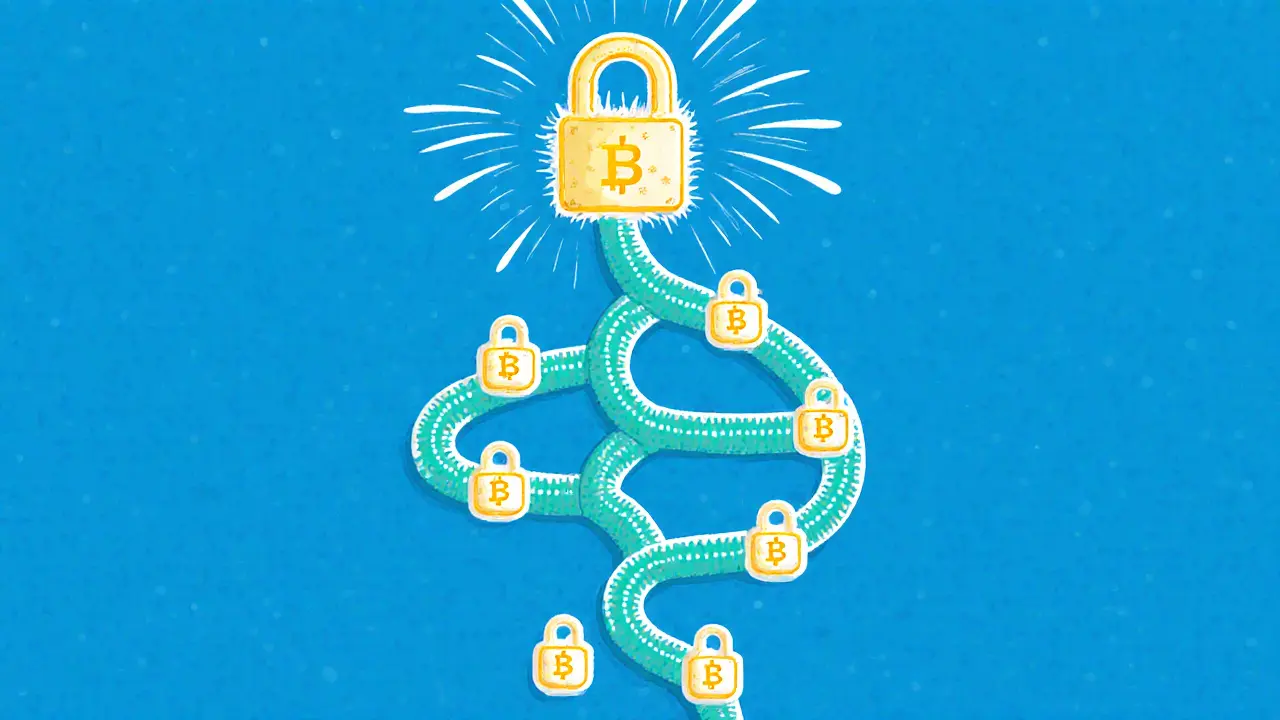
Merkle trees let blockchains verify transactions with minimal data, enabling lightweight wallets and secure scalability. They turn thousands of transactions into one hash, making tampering impossible and verification lightning-fast.
23 Nov
2025

Byzantine Fault Tolerance enables permissioned blockchains to achieve fast, secure consensus among trusted participants. Learn how PBFT works, real-world use cases, performance numbers, and why enterprises choose it over public chains.

Bitcoin has around 24,000 nodes running globally, each validating transactions and securing the network. More nodes mean greater decentralization, censorship resistance, and security-making them essential to Bitcoin's survival.
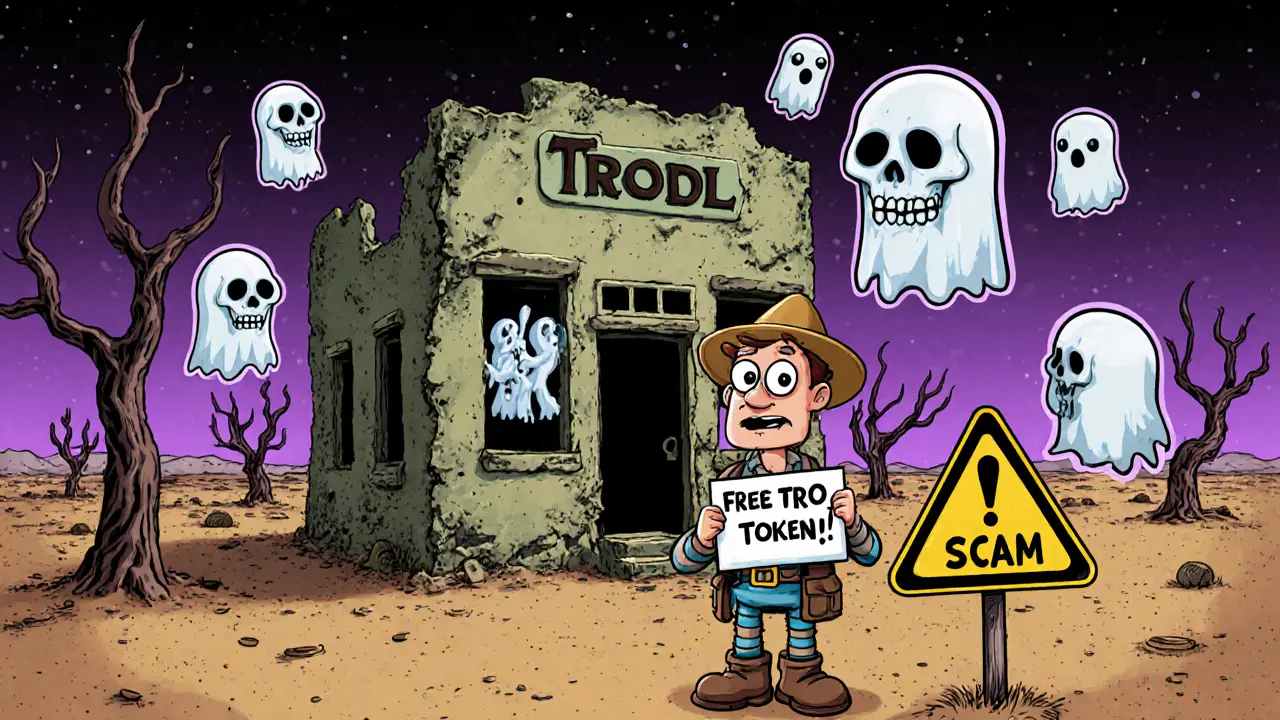
There is no active or legitimate TRO airdrop by Trodl as of 2025. Despite claims online, no official campaign exists. Learn why this is a scam and how to spot real airdrops instead.
20 Nov
2025
Innterim Crypto Bridge helps you navigate Web3 with clear guides on crypto, DeFi, exchanges, and airdrops. Trusted insights for beginners and experienced users alike.
20 Nov
2025
Terms of Service for Innterim Crypto Bridge: Learn Web3 with accurate crypto guides, exchange reviews, and airdrop alerts. All content for informational purposes only.