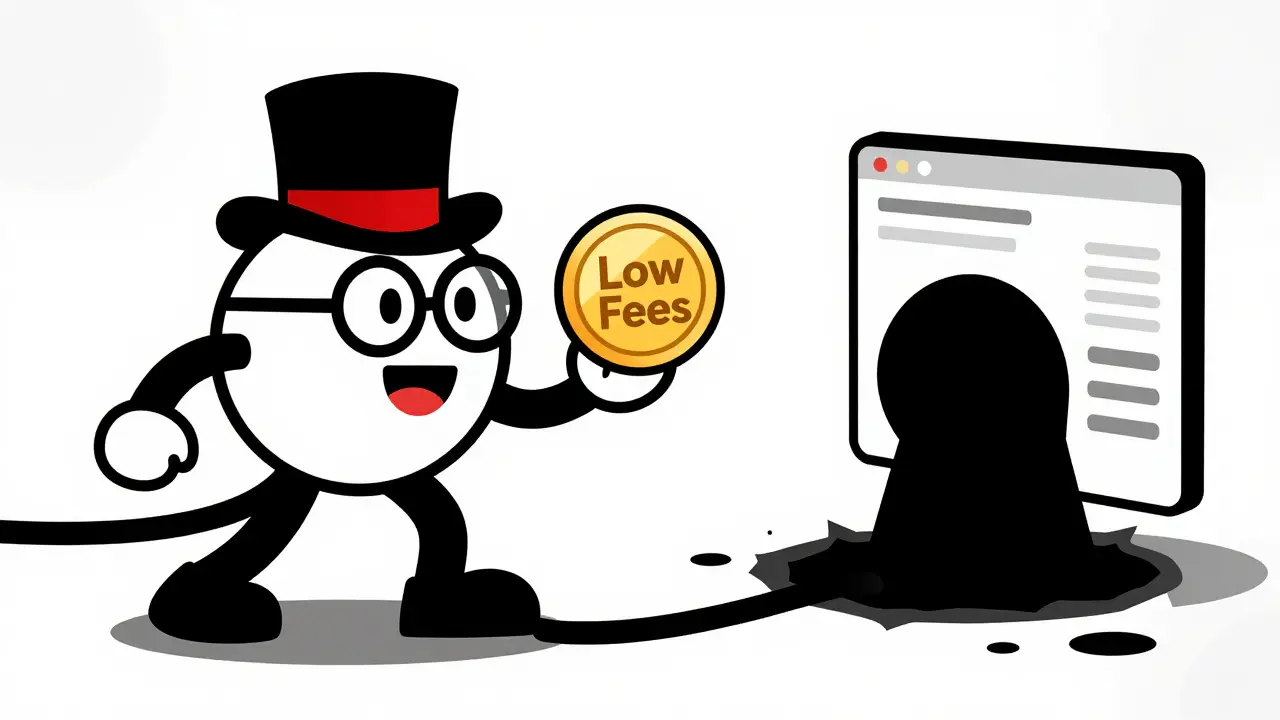
You click on an ad for a new crypto exchange promising low fees and high rewards. The interface looks sleek. The promises sound too good to be true. This is exactly the trap BYEX is a defunct cryptocurrency trading platform that has ceased operations and is flagged for high risk and potential fraud. If you are looking at BYEX today, you need to stop right here. This isn't just another review of features; it's a warning about a platform that no longer exists and may have left users with frozen funds.
In the world of digital assets, trust is everything. When an exchange shuts down without clear communication, leaves users unable to withdraw, and operates without regulatory oversight, it crosses the line from risky to dangerous. By 2026, the data is clear: BYEX is not a viable option for trading. In fact, attempting to use it now could mean losing your capital entirely.
The Current Reality: BYEX Has Ceased Operations
Let’s get the most critical fact out of the way first. According to databases like WikiBit, which track the lifecycle of cryptocurrency exchanges, BYEX has officially ceased its operational status. It is listed under "Stoppage of Business." This means the platform is no longer actively processing trades, accepting new deposits, or functioning as a live market.
Why does this matter? Because if you see ads for BYEX running online in 2026, they are likely remnants of old marketing campaigns or, worse, phishing sites trying to steal your credentials. A shutdown exchange is a dead end. Your money cannot move through a system that isn't there. The duration of this stoppage is estimated between 2-5 years, placing the closure firmly in the past relative to today's date.
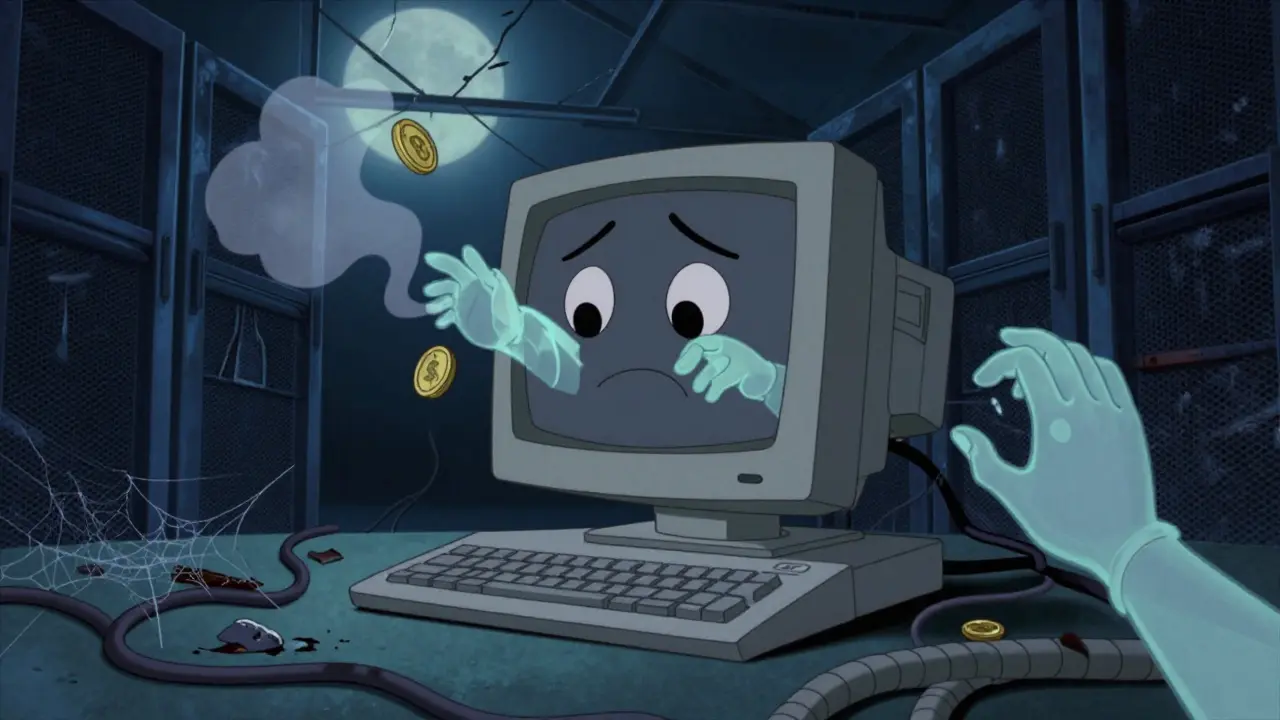
If you had funds on BYEX before it shut down, recovery is highly unlikely. Without regulatory oversight or insurance, there is no safety net. You are essentially chasing ghosts in a closed server room. Do not deposit any new funds into accounts associated with this brand name.
What Was Promised vs. What Delivered
To understand why BYEX failed, we have to look at what it claimed to be. On paper, during its active phase, BYEX presented itself as a modern, tech-forward exchange based in Singapore. It touted an "ultra-low latency matching engine" capable of handling over 100,000 trades per second. That sounds impressive for high-frequency traders, right?
Here is what their historical feature list looked like:
- Spot and Futures Trading: Access to buy/sell cryptocurrencies directly and trade derivatives.
- Competitive Fees: They advertised a taker fee of roughly 0.0375% and a maker fee of 0.014%. For context, major exchanges like Binance often start around 0.1%, so these numbers were designed to attract cost-sensitive traders.
- AI Tools: Claims of AI-enabled trading strategies and suggestions.
- Staking and Lending: Services allowing users to earn yield on idle assets or borrow against holdings.
- Mobile App: Availability on iOS and Android for trading on the go.
However, the reality on the ground was starkly different. Users reported that while the interface was polished, the liquidity was non-existent. You can’t trade effectively if there’s no one on the other side of the order book. Reports indicated "almost no volume left" for many spot pairs. An exchange with no volume is useless because you might place an order and wait days-or forever-for it to fill.
The Red Flags: Regulatory Void and Transparency Issues
This is where the story gets darker. A legitimate crypto exchange operates within a legal framework. It holds licenses, publishes proof of reserves, and has a visible team. BYEX checked none of these boxes.
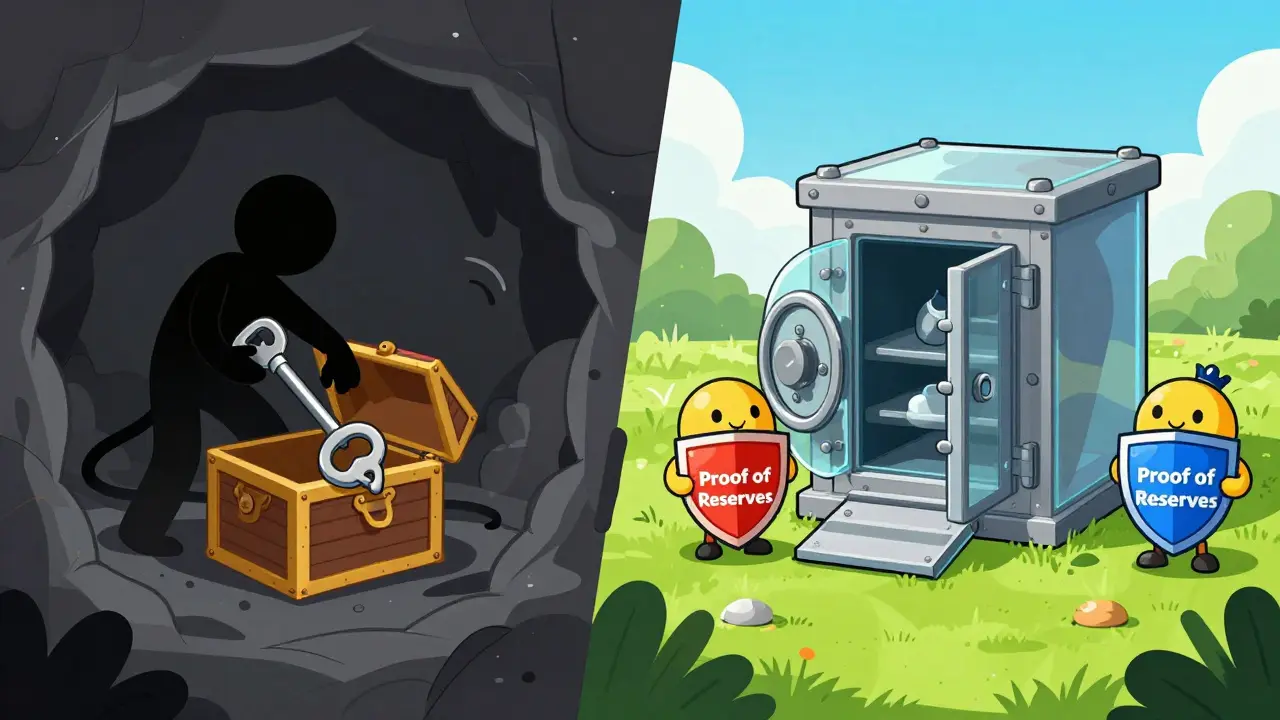
Although registered in Singapore, BYEX operated offshore and offered no major licenses. There were no public audit certificates. There was no proof of reserves. Essentially, there was no way for users to verify if the money they deposited actually existed in the company’s bank accounts or cold wallets. As analysts noted, "there's no safety net here. No insurance, no regulator keeping watch."
| Feature | BYEX (Defunct) | Regulated Exchange (e.g., Coinbase, Kraken) |
|---|---|---|
| Regulatory License | None / Suspicious | Yes (Varies by region) |
| Proof of Reserves | No Public Data | Regular Audits |
| Fund Insurance | None | Often Available |
| Team Transparency | Anonymous/Hidden | Public Profiles |
| Operational Status | Closed | Active |
Without regulation, you have zero recourse if something goes wrong. If a regulated exchange fails, there are legal processes and sometimes government-backed protections. With an unregulated entity like BYEX, you are on your own. The lack of a visible team or corporate governance documents meant that when problems arose, there was no one to hold accountable.
User Complaints and Fraud Allegations
Before the lights went out completely, user experiences with BYEX were mixed but increasingly negative. While some early adopters reported smooth initial transactions, the pattern shifted quickly. Common complaints included:
- Withdrawal Delays: Users found themselves unable to move their funds off the platform. Money could be deposited easily, but getting it out became a nightmare.
- Account Locks: Accounts were suddenly frozen without explanation, preventing access to assets.
- Reward Manipulation: One significant allegation described BYEX as using "high rewards as bait." Users claimed the exchange would change rules maliciously after attracting traders, then refuse to issue promised bonuses or profits.
These behaviors are classic signs of a "honeypot" scheme. The platform attracts users with attractive terms, lets them deposit, and then creates barriers to exit. When combined with the eventual shutdown, this suggests a premeditated failure rather than an unfortunate business collapse.
Who Was BYEX For? (And Why It Failed Them)
BYEX seemed to target "tech-curious traders and hobbyists." These are people who know enough about crypto to want to trade but may not have the expertise to vet an exchange thoroughly. They were drawn in by the sleek UI and low fee structure. However, serious institutional traders and professional investors largely ignored the platform due to the lack of liquidity and compliance.
The limited coin list and unclear tokenomics further alienated experienced users. Without a robust community support system, those who did encounter issues were left stranded. The absence of a serious stream of reviews from professionals was a huge red flag that casual users missed.
Safe Alternatives for 2026
If you were considering BYEX for its low fees or specific features, you need to pivot to platforms that prioritize security and legality. Here are criteria to look for instead:
- Regulatory Compliance: Choose exchanges licensed in reputable jurisdictions (like the US, EU, UK, or Singapore) that actively report to authorities.
- Proof of Reserves: Look for platforms that publish monthly Merkle tree proofs showing they hold 1:1 backing for user assets.
- Liquidity: Check trading volumes on independent trackers like CoinMarketCap. High volume ensures you can enter and exit positions quickly.
- Insurance: Some top-tier exchanges offer insurance for hot wallet assets or participate in compensation funds.
Established names like Coinbase, Kraken, Binance (where legally available), and OKX offer the infrastructure and accountability that BYEX lacked. Yes, their fees might be slightly higher than BYEX’s advertised rates, but you are paying for peace of mind and operational continuity.
Conclusion: Avoid BYEX Entirely
The verdict on BYEX is unequivocal. It is a defunct platform with a history of regulatory evasion, user complaints regarding withdrawal restrictions, and allegations of fraudulent reward practices. In 2026, there is no reason to engage with this brand. Whether you are a beginner looking to make your first trade or an experienced investor seeking diversification, BYEX offers nothing but risk.
Protect your capital. Stick to exchanges with transparent operations, verifiable reserves, and a track record of reliability. Your financial security is worth more than a fraction of a percent in savings on trading fees.
Is BYEX crypto exchange still operating in 2026?
No, BYEX has ceased operations. It is listed as a shut-down exchange with a "Stoppage of Business" status. Any websites claiming to be BYEX are likely scams or phishing attempts.
Can I recover my funds from BYEX?
Recovery is highly unlikely. Since BYEX operated without regulatory oversight and has shut down, there is no insurance fund or legal body to assist in reclaiming lost assets. Users are advised to accept the loss and move forward with secure alternatives.
Was BYEX a scam?
While definitive legal rulings may vary, BYEX exhibited multiple characteristics of a fraudulent operation. These include lack of transparency, refusal to process withdrawals, changing reward rules arbitrarily, and operating without valid licenses. It is classified as high-risk and suspicious by industry watchdogs.
What were the trading fees on BYEX?
Historically, BYEX advertised a taker fee of approximately 0.0375% and a maker fee of 0.014%. However, since the platform is defunct, these rates are irrelevant and should not be used for current decision-making.
Are there safer alternatives to BYEX?
Yes. Traders should use regulated exchanges such as Coinbase, Kraken, or Binance (depending on your location). These platforms provide proof of reserves, customer support, and operate under strict legal frameworks, ensuring much higher security for your funds.