
You can buy Bitcoin in Istanbul. You can hold Ethereum in a digital wallet while sipping tea in Ankara. But try to pay for that coffee or rent an apartment using crypto, and you’ll hit a wall. That is the reality of the Central Bank of Turkey crypto restrictions. The rules are strict, specific, and designed to keep your money safe while keeping the Turkish Lira as the only official currency.
If you are trading, investing, or running a business involving digital assets in Turkey, understanding these boundaries isn’t just helpful-it’s mandatory. The regulatory landscape shifted dramatically in 2025, replacing years of ambiguity with hard lines drawn by regulators. Here is exactly what you need to know about what is allowed, what is banned, and how the new laws affect you.
The Core Rule: Investment Yes, Payment No
The most important thing to understand is that cryptocurrencies are not money in Turkey. They are assets. This distinction drives every regulation coming out of the Central Bank of the Republic of Turkey (CBRT). Since April 2021, the CBRT has prohibited the use of cryptocurrencies for direct payments of goods and services. This ban includes everything from buying groceries to closing real estate deals.
Why does this matter? Because it creates a dual system. On one side, you have a booming investment market where millions of Turks trade crypto to hedge against inflation. On the other side, you have the traditional economy where the Turkish Lira remains the sole legal tender. If you want to spend your crypto, you must first convert it into fiat currency through a regulated exchange. You cannot hand over Bitcoin to a landlord or a shopkeeper directly.
This restriction protects the monetary policy of the country. By preventing crypto from becoming a parallel payment system, the CBRT ensures that inflation control and interest rate decisions remain effective. For the average user, it means your crypto wallet is strictly for holding value or trading, not for daily spending.
The 2025 Regulatory Overhaul: New Rules for Exchanges
For years, the crypto space in Turkey operated with some gray areas. That changed in March 2025. Authorities published four key communiqués in the Official Gazette, fundamentally reshaping how Crypto Asset Service Providers (CASPs) operate. These rules were fully implemented by June 30, 2025, bringing clarity but also higher barriers to entry.
The primary authority overseeing these activities is now the Capital Markets Board (CMB), working alongside the Financial Crimes Investigation Board (MASAK) for anti-money laundering enforcement. Under the new framework, specifically Communiqué I (III-35/B.1) and Communiqué II (III-35/B.2), CASPs must meet stringent requirements to operate legally.
Here are the critical changes for service providers:
- Capital Requirements: Exchanges must hold a minimum capital of 150 million Turkish Lira (approximately $4.1 million). Custodians face an even higher bar at 500 million Turkish Lira (approximately $13.7 million).
- Corporate Structure: CASPs must be established as joint-stock companies with shares issued in cash and registered by name. This ensures transparency and accountability.
- Licensing: Formal authorization from the CMB is mandatory. Unlicensed platforms operating in Turkey are now facing severe crackdowns.
These measures are designed to professionalize the industry. By raising the capital threshold, regulators aim to weed out small, unstable operators who might pose a risk to investors. It signals that crypto is no longer a niche hobby but a serious financial sector requiring robust infrastructure.
Anti-Money Laundering and User Compliance
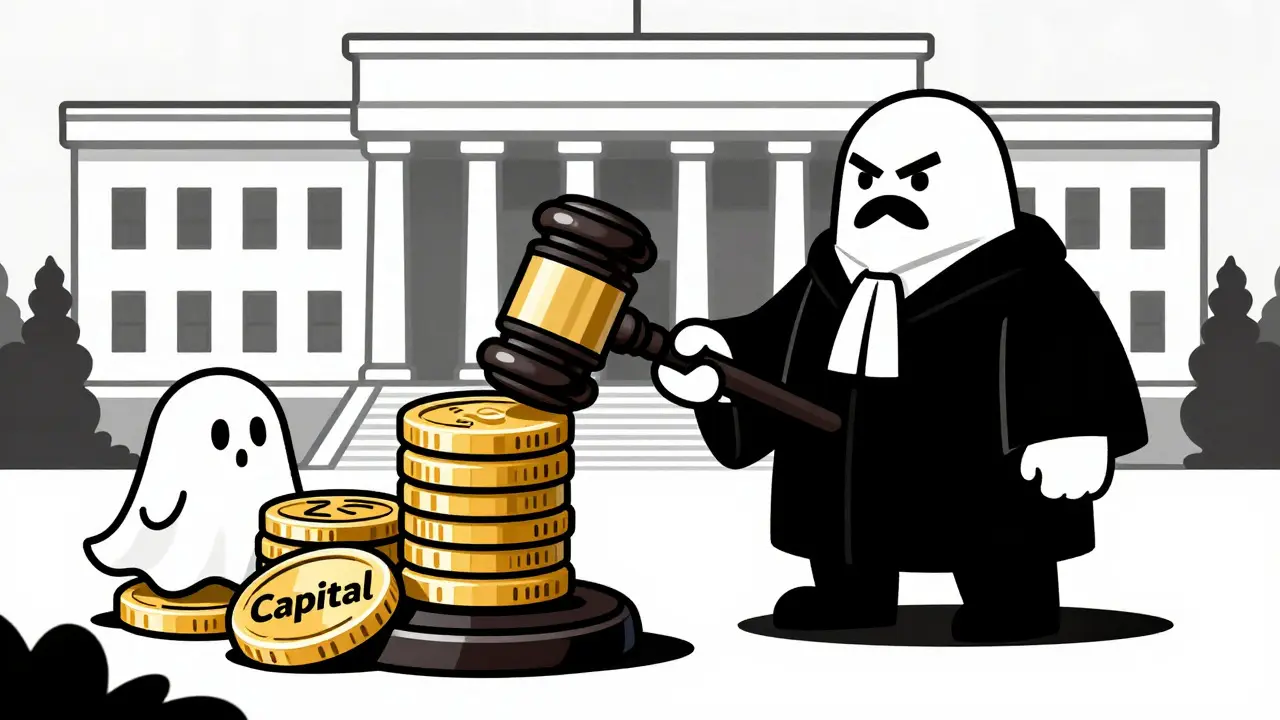
Regulation isn’t just about big exchanges; it affects every user. The new framework places heavy emphasis on Anti-Money Laundering (AML) compliance. MASAK plays a central role here, enforcing strict identity verification protocols.
If you are trading on a licensed platform in Turkey, expect rigorous Know Your Customer (KYC) checks. Mandatory identity verification is required for transactions exceeding 15,000 Turkish Lira (approximately $425). This means anonymous trading is effectively dead for significant amounts. Platforms must maintain detailed records of all transactions, including canceled and unexecuted ones, to detect suspicious activity.
The consequences for non-compliance are steep. In a landmark enforcement action, MASAK imposed the statutory maximum administrative fine of 8 million Turkish Lira (approximately $750,000) on Binance TR for breaches of AML regulations. This penalty followed inspections of their transaction monitoring and customer identification systems. It serves as a clear warning: regulators are watching, and they have the power to punish.
| Requirement / Metric | Value / Limit | Authority |
|---|---|---|
| Mandatory KYC Transaction Threshold | 15,000 TRY (~$425) | CASP / MASAK |
| Minimum Capital for Exchanges | 150 Million TRY (~$4.1M) | CMB |
| Minimum Capital for Custodians | 500 Million TRY (~$13.7M) | CMB |
| Max AML Fine (Example: Binance TR) | 8 Million TRY (~$750k) | MASAK |
| Foreign Exchange Reporting Threshold | $50,000 equivalent | Banks / MASAK |
Why Turkey Is a Crypto Hub Despite Restrictions
You might wonder why crypto adoption is so high in Turkey if payments are banned. The answer lies in economics. Turkey has experienced high inflation rates, which erode the purchasing power of the Lira. Cryptocurrencies, particularly Bitcoin and stablecoins like USDT, offer a way to preserve wealth.
Turkey consistently ranks among the top countries globally for crypto adoption volume. It leads the Middle East in trading volume. This demand is driven by a young, tech-savvy population looking for alternatives to traditional banking. The restrictions haven’t killed the market; they’ve channeled it. Instead of using crypto for daily purchases, Turks use it as a savings vehicle or a speculative asset.
This dynamic creates a unique market environment. While local payments are restricted, cross-border flows are monitored but not entirely blocked. Banks must report foreign exchange conversions above $50,000 equivalent, but there are no blanket capital controls on inflows. This allows users to move money in and out, provided they follow reporting rules.
The Future: Digital Lira and Tokenization
The CBRT isn’t just restricting crypto; it’s building its own digital alternative. The Digital Lira project is underway, focusing on tokenizing the Turkish Lira. This Central Bank Digital Currency (CBDC) aims to combine the efficiency of blockchain with the stability of national currency. Unlike private cryptos, the Digital Lira will be legal tender, solving the payment restriction issue for everyday transactions.
Simultaneously, regulators are preparing for the tokenization of real-world assets (RWA). Real estate and gold are huge parts of Turkish investment culture. Over the next one to two years, we expect to see frameworks allowing these assets to be tokenized on blockchains. This would allow fractional ownership of property or gold, managed through compliant CASPs. Discussions are ongoing regarding secondary regulations for RWA tokenization, signaling that the government sees value in blockchain technology beyond just speculation.
Practical Tips for Users and Businesses
Navigating this landscape requires care. If you are an individual trader, stick to licensed CASPs. Using foreign exchanges without local presence can lead to frozen accounts or difficulty withdrawing funds. Ensure your KYC documents are up to date, especially if you plan to trade above the 15,000 TRY threshold.
For businesses, avoid accepting crypto directly unless you have a sophisticated compliance setup that converts it to fiat instantly through a regulated partner. Direct acceptance violates CBRT rules. Instead, consider integrating payment gateways that handle the conversion behind the scenes, ensuring you receive Lira in your bank account.
Keep an eye on MASAK updates. Their powers are expanding to include freezing bank and cryptocurrency accounts for suspected illicit activity. Compliance is not optional; it’s the price of doing business in Turkey’s digital asset space.
Can I use Bitcoin to buy goods in Turkey?
No. The Central Bank of the Republic of Turkey (CBRT) prohibits the use of cryptocurrencies for direct payments of goods and services. You must convert crypto to Turkish Lira through a regulated exchange before making purchases.
Is crypto legal in Turkey?
Yes, cryptocurrencies are legal to buy, sell, and hold as investment assets. However, they are not recognized as legal tender. Trading must occur through licensed Crypto Asset Service Providers (CASPs) authorized by the Capital Markets Board (CMB).
What happened to Binance TR?
Binance TR was fined 8 million Turkish Lira by MASAK for breaches of anti-money laundering regulations. This highlights the strict enforcement of KYC and transaction monitoring rules under the 2025 regulatory framework.
How much capital do I need to start a crypto exchange in Turkey?
As of 2025, exchanges require a minimum capital of 150 million Turkish Lira. Custodians require 500 million Turkish Lira. Both must be structured as joint-stock companies.
Will Turkey introduce a Central Bank Digital Currency?
Yes, the CBRT is developing the Digital Lira. This CBDC will serve as a digital form of the Turkish Lira, offering a state-backed alternative to private cryptocurrencies for payments.