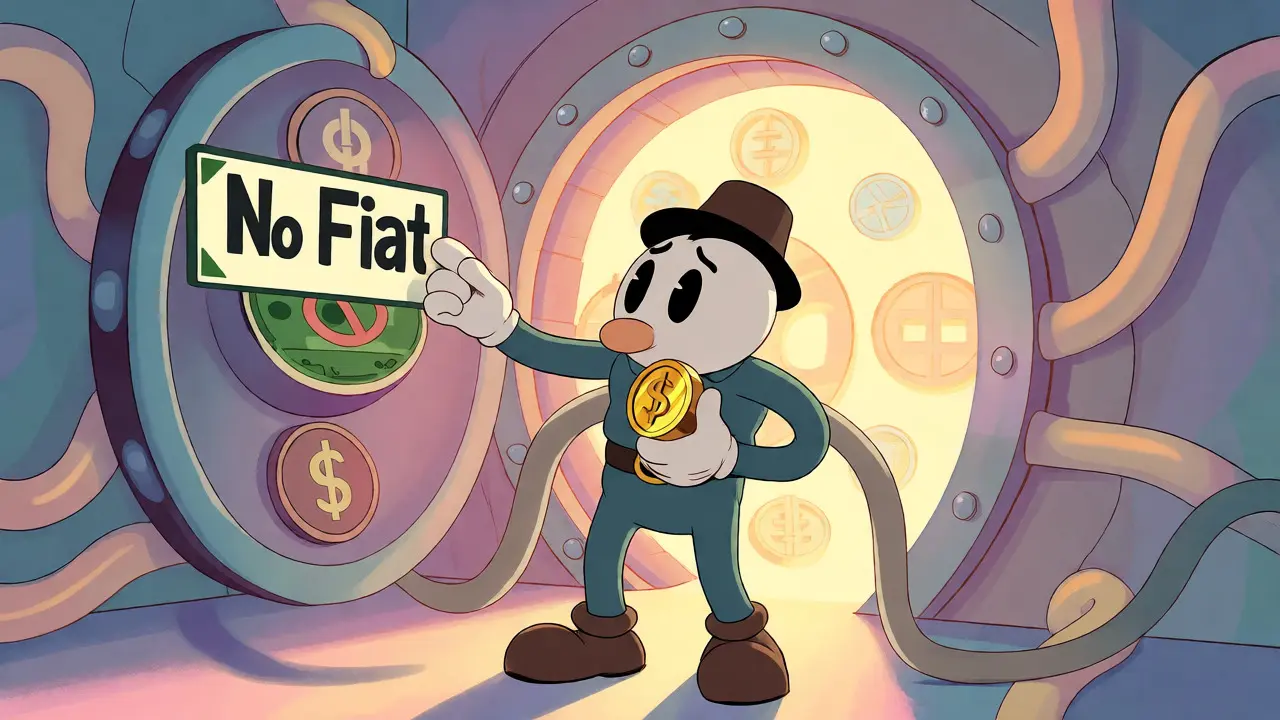
Imagine finding a trading platform that charges you less than the industry standard for every swap. That’s the pitch Coinall is making to crypto traders who are tired of watching their profits disappear into high transaction costs. But here is the catch: you can’t just walk in with your cash from the bank. You need crypto to trade on Coinall. This single restriction defines the entire user experience, turning it into a niche tool rather than a one-stop shop.
If you are already holding Bitcoin or Ethereum and want to swap them for other altcoins without paying premium prices, Coinall might be worth a look. If you are new to the game and wondering how to buy your first Bitcoin with a credit card, this platform will leave you scratching your head. Let’s break down exactly what Coinall offers, where it falls short, and whether its low fees justify the hassle of moving assets around.
What Is Coinall?
Coinall is a cryptocurrency-to-cryptocurrency exchange designed specifically for users who already own digital assets and want to trade them for other cryptocurrencies. Unlike giants like Coinbase or Kraken, Coinall does not support fiat currency deposits. You cannot connect your bank account or use PayPal to buy crypto directly here. Instead, you must deposit existing coins from another wallet or exchange before you can start trading.
This design choice isn’t an accident. By removing the complex infrastructure required for banking partnerships, KYC-heavy fiat on-ramps, and payment processor integrations, Coinall keeps its overhead low. They pass those savings on to you in the form of lower trading fees. It’s a streamlined approach that prioritizes speed and cost-efficiency over convenience for beginners.
The platform focuses heavily on the technical side of trading. Users frequently praise the interface for being clean and responsive, especially on mobile devices. The charts are sharp, the order books update quickly, and the overall vibe is utilitarian. There are no flashy gamification elements or confusing menus cluttering the screen. It’s built for people who know what they are doing and just want to execute trades efficiently.
The Fee Structure: Where Coinall Wins
Let’s talk numbers, because this is the main reason anyone considers Coinall. The exchange uses a maker-taker model, which is standard in financial markets but often hidden behind confusing tiers on other platforms.
- Taker Fee: 0.15% (You pay this when you immediately match an existing order).
- Maker Fee: 0.10% (You get this discount if you place an order that sits on the book until someone else fills it).
Compare this to the broader market. Many major exchanges charge between 0.25% and 0.60% for similar services. Even worse, some platforms hide spread markups that effectively increase your cost by another 0.5% or more. Coinall’s flat rates are transparent and significantly below the historical average of 0.25%. For active traders making dozens of swaps a week, these percentage points add up to real money saved.
| Exchange | Trading Fee Range | Fiat Support | Best For |
|---|---|---|---|
| Coinall | 0.10% - 0.15% | No (Crypto Only) | Cost-conscious altcoin traders |
| Coinbase | 0% - 3.99% | Yes (Bank, Card, PayPal) | Beginners & Fiat buyers |
| Kraken | 0% - 0.4% | Yes (Multiple methods) | Advanced traders & Security focus |
| Binance US | 0% - 0.6% | Yes (ACH, Wire, Card) | High volume & Asset variety |
Withdrawal fees are also competitive. A Bitcoin withdrawal costs roughly 0.0005 BTC. While network congestion can affect this, it generally sits about 40% lower than the industry average. If you move large amounts of BTC off-exchange regularly, this difference is noticeable.
The Fiat Barrier: Why Beginners Should Be Careful
Here is the friction point. Since Coinall doesn’t accept dollars, euros, or pounds, you have to play a two-step game. First, you buy crypto on a fiat-friendly exchange like Coinbase or Kraken. Then, you withdraw those coins to your Coinall account. Finally, you trade them for whatever altcoin you actually want.
This process introduces several headaches:
- Double Transaction Costs: You pay a fee to buy on the first exchange, then potentially a withdrawal fee to move it to Coinall, and finally a trading fee on Coinall.
- Time Delays: Blockchain confirmations aren’t instant. Waiting for Bitcoin to arrive can take ten minutes to an hour depending on congestion.
- Complexity: Managing multiple accounts increases the risk of sending funds to the wrong address or getting confused by different UIs.
For a veteran trader, this is manageable. You probably already have crypto sitting in various wallets anyway. But for someone just starting out, the idea of buying Bitcoin on Platform A, transferring it to Platform B, and then selling it for Ethereum feels unnecessarily complicated. Coinall targets experienced users who understand this workflow, not newcomers looking for simplicity.

User Experience and Interface
Feedback from actual users highlights a strong emphasis on technical performance. Verified reviews on platforms like G2 mention that the app is "smooth" and the charts are "beautiful." This suggests that the development team invested heavily in the frontend experience. When you’re staring at price movements all day, a laggy interface or ugly candles can drive you crazy. Coinall seems to have solved that problem.
However, the lack of advanced features is evident. Some users have noted the absence of Initial Exchange Offerings (IEOs) or newer product types like staking or lending within the core interface. If you want to earn passive income on your holdings while you wait for prices to move, Coinall might not be the right home for your assets. It is strictly a trading venue, not a financial hub.
The mobile application deserves special mention. In today’s market, if you can’t trade easily from your phone, you’re losing opportunities. Users report that the mobile version mirrors the desktop functionality well, allowing for quick executions without needing a laptop. This accessibility is crucial for traders monitoring volatile altcoins that might spike during off-hours.
Security and Trust Concerns
This is where things get tricky. Because Coinall operates as a more specialized, smaller player compared to regulated giants like Coinbase, there is less public data available regarding its long-term security track record and regulatory status. Major exchanges publish regular Proof-of-Reserves audits and maintain clear licenses with bodies like the SEC or FCA. Coinall’s transparency on these fronts is less documented in mainstream sources.
When dealing with any exchange, ask yourself: Do I trust them with my private keys? Are they insured against hacks? What happens if they freeze withdrawals? With limited information, many users choose to treat Coinall as a hot wallet for active trading only. They keep their long-term holdings in cold storage and move only what they plan to trade soon onto the platform. This mitigation strategy reduces exposure to potential platform risks.
Who Should Use Coinall?
Coinall isn’t for everyone, but it fits a specific profile perfectly. You should consider using it if:
- You already hold significant amounts of Bitcoin or stablecoins.
- You trade altcoins frequently and care deeply about minimizing percentage fees.
- You are comfortable managing transfers between different wallets and exchanges.
- You prefer a clean, no-nonsense interface without marketing fluff.
You should probably skip Coinall if:
- You are buying crypto for the first time with a credit card.
- You want to stake your coins or earn interest directly on the platform.
- You require extensive customer support or educational resources.
- You prioritize regulatory certainty above all else.
Final Verdict
Coinall carves out a niche by doing one thing well: cheap crypto-to-crypto trading. It strips away the bloat of fiat on-ramps and complex financial products to offer a lean, fast, and affordable trading environment. For the seasoned trader looking to squeeze extra basis points out of every swap, it’s a compelling option. Just remember that the savings on fees shouldn’t come at the cost of peace of mind. Keep your holdings diversified across platforms, and never let your guard down on security.
Can I buy Bitcoin directly on Coinall with a credit card?
No, Coinall does not support fiat currency deposits. You must purchase cryptocurrency on a different exchange that accepts credit cards or bank transfers, and then transfer those digital assets to your Coinall account to begin trading.
How much does it cost to withdraw Bitcoin from Coinall?
The standard withdrawal fee for Bitcoin on Coinall is approximately 0.0005 BTC. This rate is notably lower than the industry average, which often hovers around 0.0008 BTC, making it attractive for users who move large volumes of BTC off-exchange.
Is Coinall safe to use for large amounts of money?
While user feedback praises the technical stability, Coinall has less public documentation regarding regulatory compliance and insurance compared to larger competitors like Coinbase or Kraken. Many experts recommend using it primarily for active trading rather than long-term storage, keeping large reserves in self-custody wallets.
Does Coinall offer staking or earning options?
Currently, Coinall focuses primarily on spot trading. It lacks the integrated staking, lending, or yield-farming products found on comprehensive platforms like Binance or Coinbase. If earning passive income on idle assets is a priority, you may need to use a secondary platform.
What cryptocurrencies can I trade on Coinall?
Coinall supports a wide range of popular cryptocurrencies and altcoins, focusing on pairs traded against major assets like Bitcoin and Ethereum. However, the selection may be narrower than mega-exchanges that list hundreds of obscure tokens, so check the current listing page for specific availability.