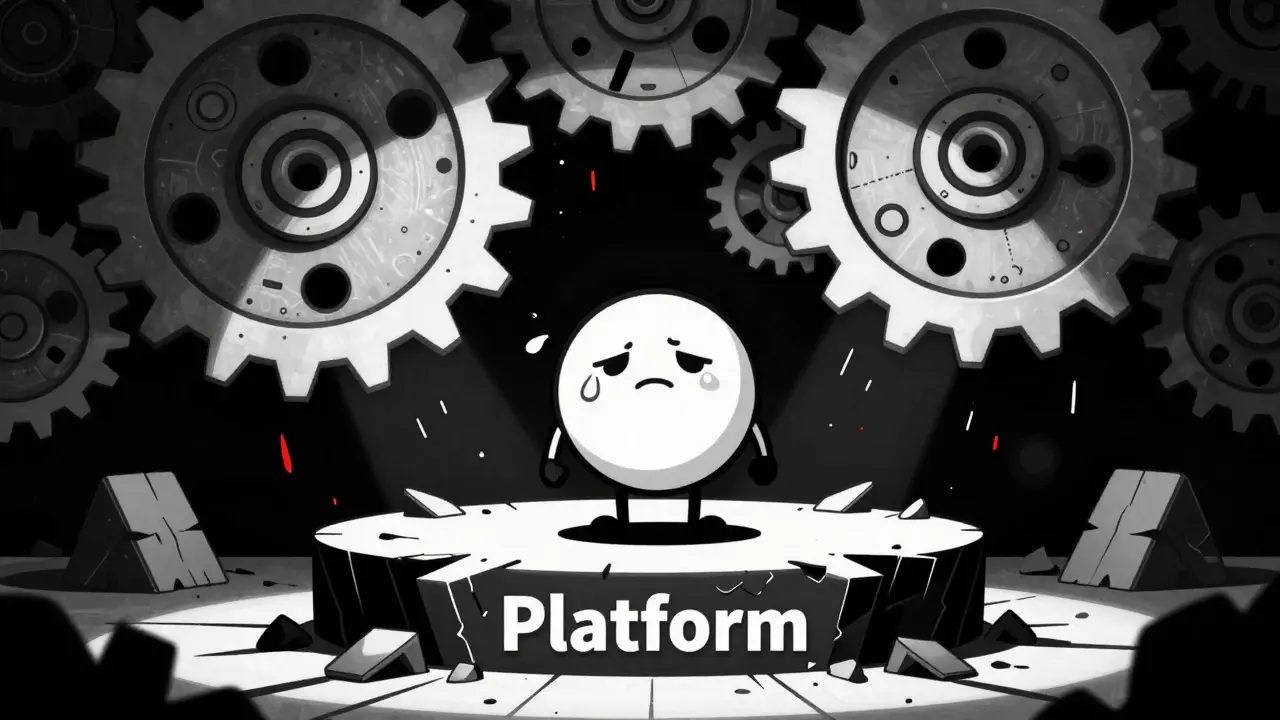
The creator economy is broken. For years, the promise was simple: create content, build an audience, and get paid. But by 2025, that promise turned into a trap. Creators found themselves working harder than ever, only to see their income vanish when an algorithm changed or a platform banned them. The noise is deafening, with millions of posts flooding feeds daily, making it nearly impossible to stand out without selling your soul to the highest bidder.
But there is a shift happening. A new layer of technology is rising to meet these challenges head-on. It’s not just about posting more videos or chasing trends. It’s about blockchain. This isn’t hype; it’s a structural fix for an industry built on shaky ground. Blockchain offers creators something they’ve never had before: true ownership, direct payment rails, and freedom from the whims of tech giants.
The Platform Trap and Algorithm Anxiety
Imagine building a house on rented land. That’s the reality for most creators on platforms like YouTube, Instagram, and TikTok. You pour time, creativity, and money into growing your audience, but you don’t own that audience. The platform does. One day, your video goes viral. The next, an update to the recommendation engine buries your channel. Your income drops overnight, and you have no recourse.
This dependency creates a constant state of anxiety. Creators are forced to chase trends rather than develop unique voices because the algorithms reward conformity. They must post frequently, often burning out in the process, just to stay visible. The power imbalance is stark: platforms take a significant cut of ad revenue while providing zero security against sudden policy changes.
Blockchain changes this dynamic by enabling decentralized social networks. On these platforms, data belongs to the user, not the corporation. If a creator decides to move their community from one app to another, they can take their followers with them. This portability reduces the leverage platforms hold over creators, allowing them to negotiate better terms or simply leave if conditions worsen.
Monetization Beyond Ads and Sponsorships
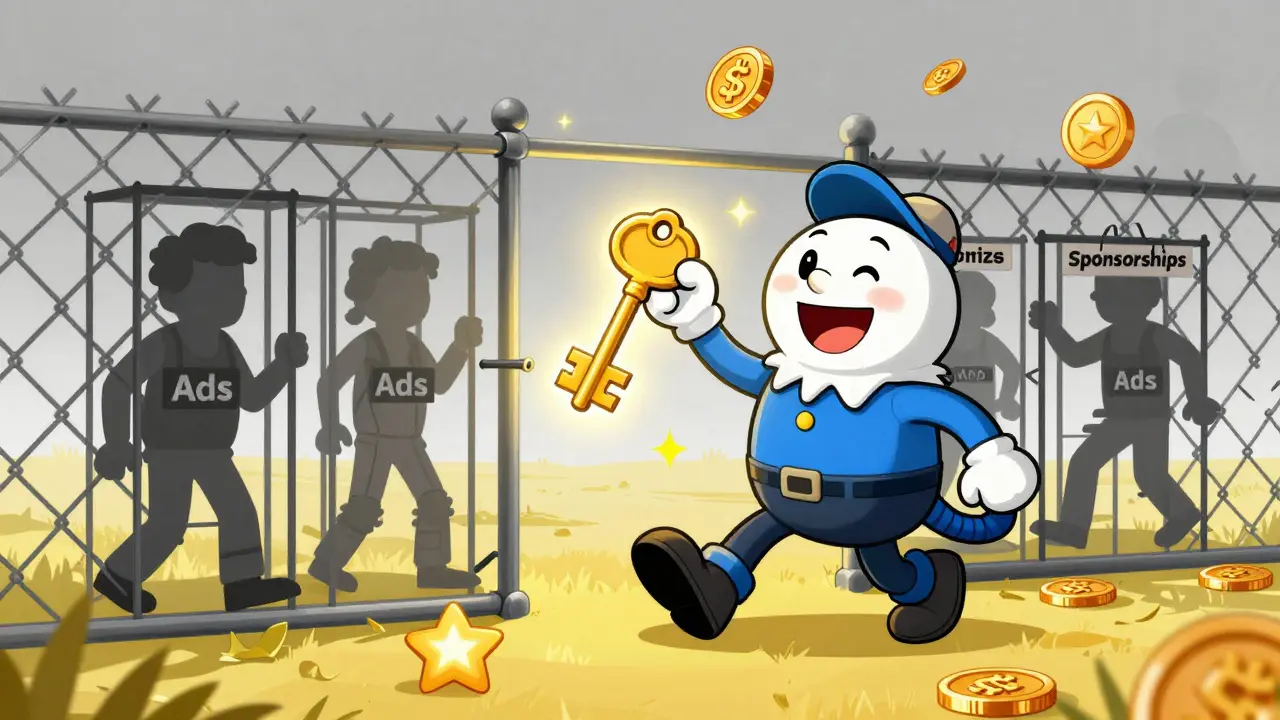
Traditional monetization methods are failing. Ad rates fluctuate wildly, and brand sponsorships require massive audiences that most creators never achieve. In 2025, over 66% of self-identified creators treat their work as a side hustle because full-time sustainability is so elusive. The pressure to diversify income streams leads to a chaotic mix of subscriptions, merch sales, and affiliate links, each requiring different skills and platforms.
Enter Web3 monetization tools. Blockchain enables microtransactions that were previously impossible due to high processing fees. Instead of relying on large monthly subscriptions, creators can receive tiny payments for individual pieces of content. This model aligns better with consumer behavior, where users prefer paying per article or video rather than committing to a recurring fee.
NFTs (Non-Fungible Tokens) also offer a new avenue for value capture. Unlike traditional digital files, NFTs provide proof of ownership and authenticity. Creators can sell limited-edition digital art, exclusive access passes, or even royalties on secondary sales. When a fan resells an NFT, the original creator receives a percentage automatically via smart contracts. This creates a long-term revenue stream that doesn’t exist in the Web2 world.
| Feature | Web2 (Centralized) | Web3 (Decentralized) |
|---|---|---|
| Ownership | Platform owns audience data | Creator owns audience relationship |
| Payment Speed | Net-30 or Net-60 cycles | Near-instant settlement |
| Fees | High transaction fees + platform cuts | Low gas fees, transparent costs |
| Royalties | No automatic secondary sales | Programmable royalties via smart contracts |
| Censorship Risk | High (platform policies) | Low (decentralized governance) |
Smart Contracts: Automating Fairness
In the traditional creator economy, getting paid involves invoices, delays, and sometimes disputes. Brands might delay payments, or platforms might withhold funds due to copyright claims. Smart contracts eliminate this friction. These are self-executing agreements coded on the blockchain that release funds automatically when predefined conditions are met.
For example, a creator can set up a smart contract that releases payment to a collaborator once a video reaches a certain view count. No middlemen, no delays, no arguments. This transparency builds trust between creators and brands. It also allows for complex revenue-sharing models that were previously too expensive to administer. Imagine splitting revenue instantly among five collaborators based on their contribution percentages. It happens automatically, every second.
This automation extends to licensing as well. Creators can license their music or footage through smart contracts, ensuring they are paid every time their work is used. This is particularly powerful for independent artists who lack legal teams to enforce their rights. The code enforces the contract, making enforcement cost-effective and reliable.
Combating AI Saturation with Proven Authenticity
Generative AI has flooded the internet with synthetic content. By 2025, distinguishing between human-created and AI-generated content became increasingly difficult. This erosion of trust hurts creators who invest real effort into their work. Brands hesitate to partner with influencers because they can’t verify engagement authenticity. Audiences become skeptical of everything they see.
Blockchain provides a solution through verifiable provenance. Each piece of content can be timestamped and signed with a cryptographic key, creating an immutable record of its origin. This allows platforms and users to verify that content was created by a specific human at a specific time. It’s a digital certificate of authenticity that cannot be forged.
This verification system helps combat deepfakes and stolen content. When a creator publishes a video, they can register its hash on the blockchain. Any subsequent copies can be traced back to the original source. This empowers creators to protect their intellectual property without relying on inefficient takedown notices. It restores trust in the digital ecosystem by anchoring identity and creation in verifiable data.
DAOs: Community-Lowered Creative Projects
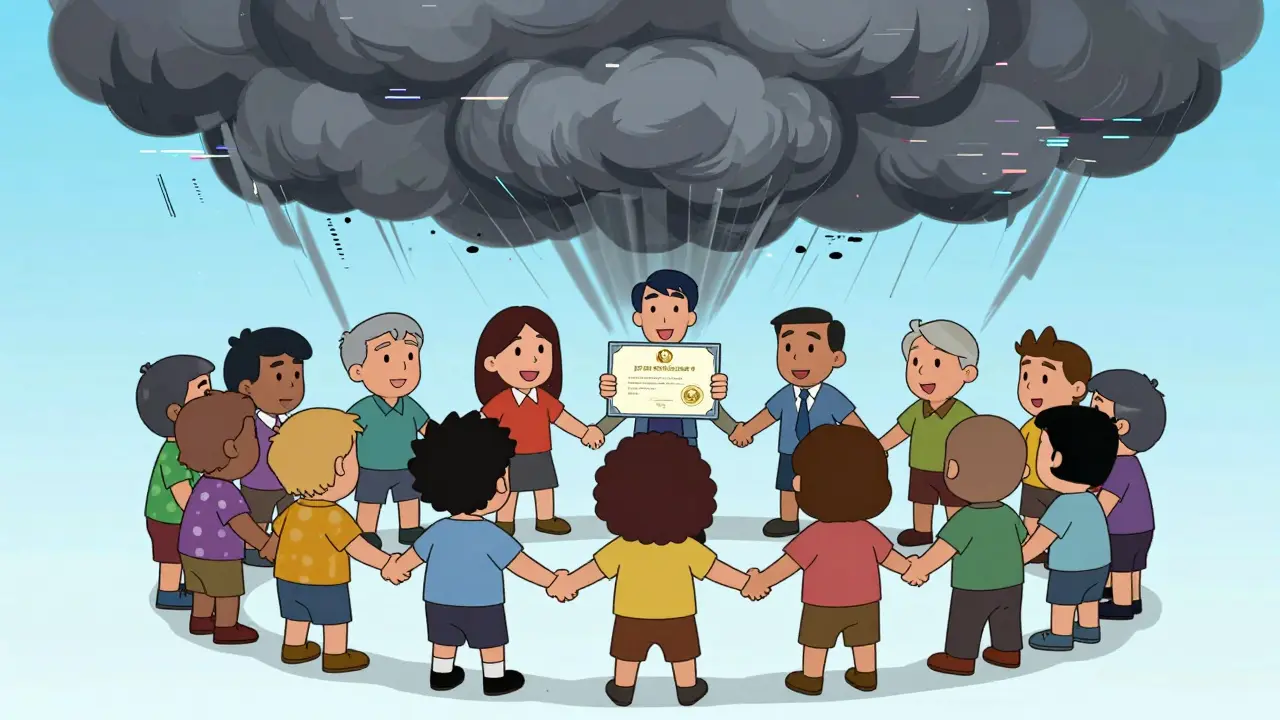
Funding creative projects has always been risky. Traditional investors demand equity and control, often stifling artistic freedom. Decentralized Autonomous Organizations (DAOs) offer a new model. A DAO is a community-owned organization governed by token holders. Creators can launch a DAO to fund their work, giving supporters voting rights on project decisions.
This structure aligns incentives perfectly. Supporters aren’t just fans; they are stakeholders. They vote on which direction a series takes, which characters to develop, or which merchandise to produce. In return, they receive tokens that appreciate in value as the project succeeds. This creates a loyal, engaged community that feels invested in the creator’s success.
DAOs also democratize decision-making. Instead of one producer dictating terms, the community governs itself through proposals and votes. This reduces the risk of single points of failure and spreads responsibility across the network. For creators, it means less administrative burden and more focus on creation. The community handles marketing, distribution, and feedback loops organically.
Overcoming Technical Barriers
Despite its potential, blockchain adoption faces hurdles. Wallet management, private keys, and gas fees confuse many users. The average person doesn’t want to deal with seed phrases or worry about losing access to their funds. User experience remains clunky compared to seamless Web2 interfaces.
However, improvements are rapid. Abstracted wallets now hide complexity behind familiar login screens. Social recovery mechanisms allow users to regain access through trusted contacts rather than memorizing codes. Layer-2 solutions reduce transaction costs to fractions of a cent, making microtransactions viable. As these technologies mature, the barrier to entry will drop significantly.
Educational initiatives are also crucial. Communities are building tutorials, guides, and support networks to help creators navigate Web3. Just as early internet adopters learned HTML, today’s creators are learning Solidity and wallet basics. The curve is steep, but the payoff is worth it. Those who adapt early will secure their position in the next era of digital media.
Building a Sustainable Future
The creator economy is at a crossroads. Continue down the path of platform dependency, burnout, and algorithmic uncertainty, or embrace decentralization and reclaim autonomy. Blockchain offers the tools to build a fairer, more resilient system. It’s not a magic bullet, but it’s a foundation.
Creators who start experimenting with Web3 today will be ahead when the rest catch up. They’ll own their audiences, control their data, and earn directly from their fans. The transition requires effort, but the alternative is stagnation. The future of creation belongs to those who dare to break free.
How does blockchain help creators avoid platform bans?
Blockchain enables decentralized platforms where users own their data and connections. If a centralized platform bans a creator, they lose their audience. On decentralized networks, creators can migrate their community to other apps without losing followers, reducing vulnerability to arbitrary censorship.
What are smart contracts in the creator economy?
Smart contracts are self-executing agreements on the blockchain. They automate payments, royalty distributions, and licensing deals without intermediaries. For example, a creator can program a contract to pay collaborators instantly upon reaching specific milestones, ensuring fairness and speed.
Can NFTs generate ongoing income for creators?
Yes. NFTs can include programmable royalties. When an NFT is resold on a marketplace, the original creator receives a predetermined percentage automatically. This creates a passive income stream from secondary sales, unlike traditional digital goods which have no resale value for the creator.
How does blockchain verify authentic content against AI?
Blockchain timestamps and cryptographically signs content at creation. This creates an immutable record of origin. Users and platforms can verify that content was created by a specific human at a specific time, helping distinguish genuine work from AI-generated fakes or deepfakes.
Are DAOs suitable for small creators?
DAOs can scale to any size. Small creators can use them to crowdsource funding and involve their community in decision-making. Token holders gain voting rights on project directions, fostering loyalty and shared ownership. This model works well for niche communities seeking deeper engagement beyond passive consumption.