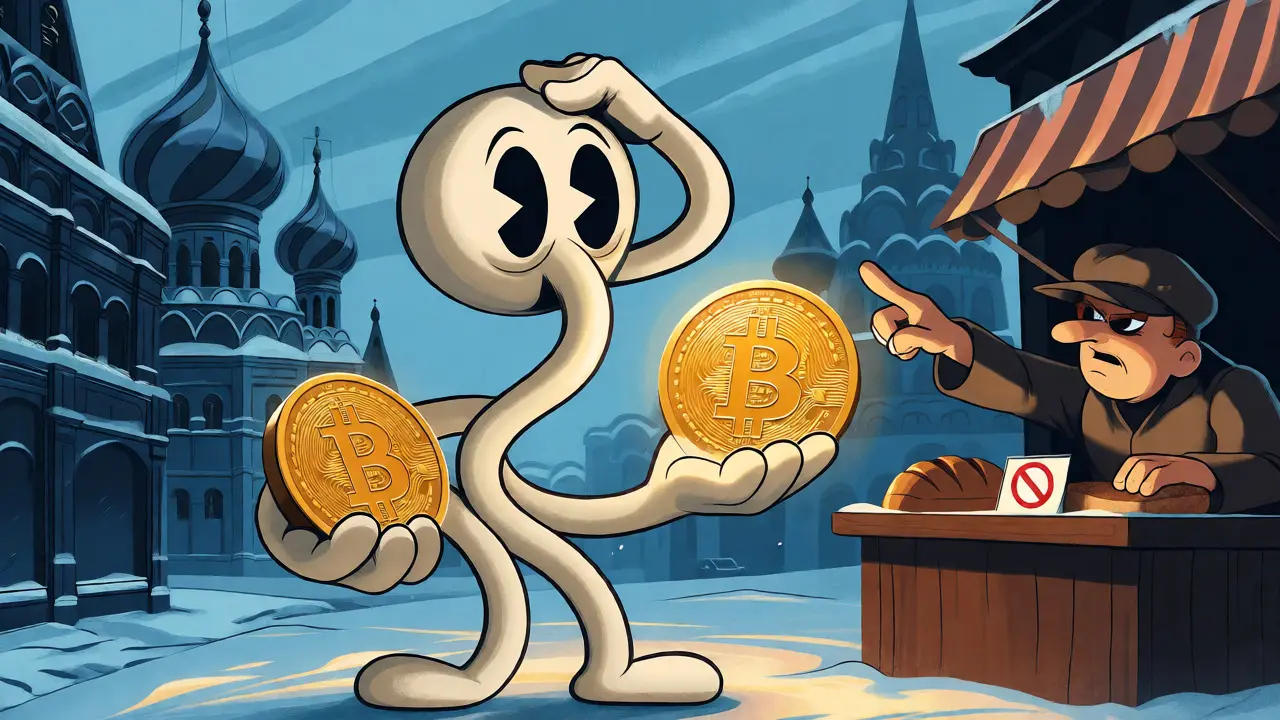
Imagine trying to pay for your groceries with a currency that the government says you can own but not spend. That’s the daily reality for millions of Russians navigating the complex world of cryptocurrency. Despite strict legal restrictions and geopolitical isolation, Russia has quietly become one of the top ten countries in the world for crypto adoption. But why is this happening? And more importantly, what does it mean for the future of finance in the region?
You might think sanctions would crush any attempt to use digital money. Instead, they’ve accelerated it. With traditional banking channels often blocked or slow, ordinary citizens and businesses have turned to blockchain technology as a lifeline. The numbers tell a surprising story: roughly 20 million people in Russia now use cryptocurrencies. That’s about 13.6% of the population. It’s not just tech enthusiasts anymore; it’s regular people looking for stability and speed.
The Scale of Digital Asset Usage
Let’s look at the hard data. As of early 2025, the total value held in Russian crypto exchange wallets hit 827 billion rubles, which translates to about $10.15 billion USD. This represents a significant jump-up 27% from the previous year. Where is all this money going? Bitcoin remains king, accounting for over 60% of holdings. Ether comes in second, followed by stablecoins like USDT and USDC, which are crucial for those who want to avoid volatility while still using digital rails.
Why do Russians love Bitcoin so much? It’s largely about preservation of value. With inflation concerns and political uncertainty, holding assets outside the traditional ruble-based system feels safer to many. Plus, when Western payment systems like Visa or Mastercard pull out or restrict services, crypto becomes one of the few viable options for international transactions.
Navigating the Regulatory Maze
If you’re planning to enter the Russian market, you need to understand the rules. They aren’t exactly black and white. The primary law governing this space is Federal Law No. 259-FZ, known as the "On Digital Financial Assets" law. It went into effect on January 1, 2021. Here’s the catch: the law allows you to own crypto, but it explicitly prohibits using it as a means of payment for goods and services within Russia.
This creates a weird legal gray area. You can buy Bitcoin, hold it, and sell it. But if you try to buy a coffee with Bitcoin at a local cafe, you’re technically breaking the law. Most merchants don’t accept direct crypto payments because of this restriction. In fact, less than 0.5% of Russian businesses currently accept cryptocurrency directly. So how do people transact? They usually convert their crypto to rubles first, then make the purchase. Or, they use peer-to-peer (P2P) platforms where the transaction is technically a swap of assets rather than a direct payment.
| Metric | Value / Status | Context |
|---|---|---|
| Total User Base | ~20 Million | 13.6% of the population |
| Total Market Value | $10.15 Billion | Held in exchange wallets |
| Global Adoption Rank | #10 | Down from #8 in 2024 |
| Institutional Rank | #4 | Strong institutional interest |
| DeFi Rank | #52 | Weak decentralized finance usage |
| Merchant Acceptance | <0.5% | Due to legal payment bans |

Why Institutions Are Jumping In
While retail users dominate the headlines, the real growth is happening behind the scenes in institutions. Russia ranks fourth globally for institutional centralized service value received. This means big companies and financial entities are moving serious volume through crypto exchanges. Why? Cross-border trade. When traditional SWIFT transfers get stuck due to sanctions or high fees, crypto offers a faster, cheaper alternative. Transaction times drop from days to minutes, and fees can be as low as 0.1% compared to 3-5% for traditional wires.
However, there’s a glaring weakness: Decentralized Finance (DeFi). Russia ranks only 52nd globally in DeFi adoption. This suggests that most activity is happening on centralized exchanges (CEXs) rather than through smart contracts and decentralized protocols. Users prefer the ease of familiar interfaces over the complexity of DeFi, especially given the regulatory risks involved in interacting with anonymous smart contracts.
The Shift Toward Banking Integration
For years, the Bank of Russia was skeptical, even hostile, toward cryptocurrencies. They worried about capital flight and fraud. But recently, the tone has shifted. Officials now acknowledge that crypto is an economic reality that must be managed, not ignored.
In October 2025, Bank of Russia official Vladimir Chistyukhin announced plans to allow banks to handle cryptocurrency transactions. This is a huge deal. It doesn’t mean you’ll see Bitcoin ATMs everywhere tomorrow, but it signals that major banks like Sberbank or VTB might start offering crypto-related services under strict capital and reserve requirements. The goal is to bring the shadow economy of crypto into the regulated fold, protecting users while securing technological benefits for the country.

Challenges and Risks for Users
Don’t let the growth stats fool you-it’s not smooth sailing. If you’re a user in Russia, you face specific hurdles:
- Regulatory Uncertainty: Rules change frequently. A platform that works today might be frozen tomorrow due to a new compliance review.
- Limited Exchange Options: Major global players like Binance or Coinbase have limited presence or restricted services. Local platforms fill the gap, but they vary wildly in security and reliability.
- Fraud and Security: Because many transactions happen via P2P networks without the safety net of a regulated intermediary, scams are common. Users need strong digital literacy to protect themselves.
- Account Freezes: Banks may freeze accounts linked to crypto transactions during compliance checks. Some users report waiting weeks for verification, missing out on market opportunities.
Community feedback highlights these pain points. On forums like BitcoinTalk.ru and Telegram groups, complaints about sudden policy changes disrupting transactions are frequent. Yet, success stories abound too. Small business owners exporting software or goods to Asia report cutting costs by 40% by using stablecoins instead of traditional banking routes.
What’s Next for 2026?
The trajectory looks upward, but cautious. Projections suggest the number of users could grow to 23.5 million by the end of 2026. The government is preparing for this by scheduling comprehensive surveys of crypto investments in early 2026. These findings will likely shape new legislation.
We might see amendments to the Digital Financial Assets law, potentially allowing broader use cases or clarifying tax obligations. Meanwhile, the development of the Digital Ruble (Russia’s Central Bank Digital Currency) continues. While distinct from private cryptocurrencies, its rollout could influence how people perceive and use digital money. The interplay between state-controlled CBDCs and private crypto assets will define the next phase of adoption.
Ultimately, crypto adoption in Russia is driven by necessity. It’s a tool for survival in a changing financial landscape. As infrastructure improves and regulations mature, expect to see more integration into mainstream finance, though the ban on direct payments will likely remain a key constraint for some time.
Is cryptocurrency legal in Russia?
Yes, owning and trading cryptocurrency is legal under Federal Law No. 259-FZ. However, using it as a direct method of payment for goods and services within Russia is prohibited. You can buy, sell, and hold it, but you generally cannot pay a merchant directly with Bitcoin or Ethereum.
How many Russians use cryptocurrency?
As of late 2025, approximately 20 million Russians use cryptocurrencies. This represents about 13.6% of the country's total population, making Russia one of the top ten countries globally for crypto adoption.
Can I use Bitcoin to buy things in Russia?
Directly, no. The law forbids using digital currencies as a means of payment for goods and services. Most users convert their crypto to rubles through an exchange or P2P platform before making purchases. Fewer than 0.5% of businesses accept direct crypto payments.
Which cryptocurrency is most popular in Russia?
Bitcoin is the dominant asset, accounting for roughly 62% of all crypto holdings in Russia. Ether follows at around 22%, with stablecoins like USDT and USDC making up the remainder. Stablecoins are particularly popular for cross-border transactions due to their price stability.
Are Russian banks allowed to handle crypto?
Historically, banks were restricted. However, recent announcements from the Bank of Russia indicate that banks will soon be permitted to handle cryptocurrency transactions, subject to strict capital and reserve requirements. This marks a shift toward formal integration of crypto into the traditional banking sector.