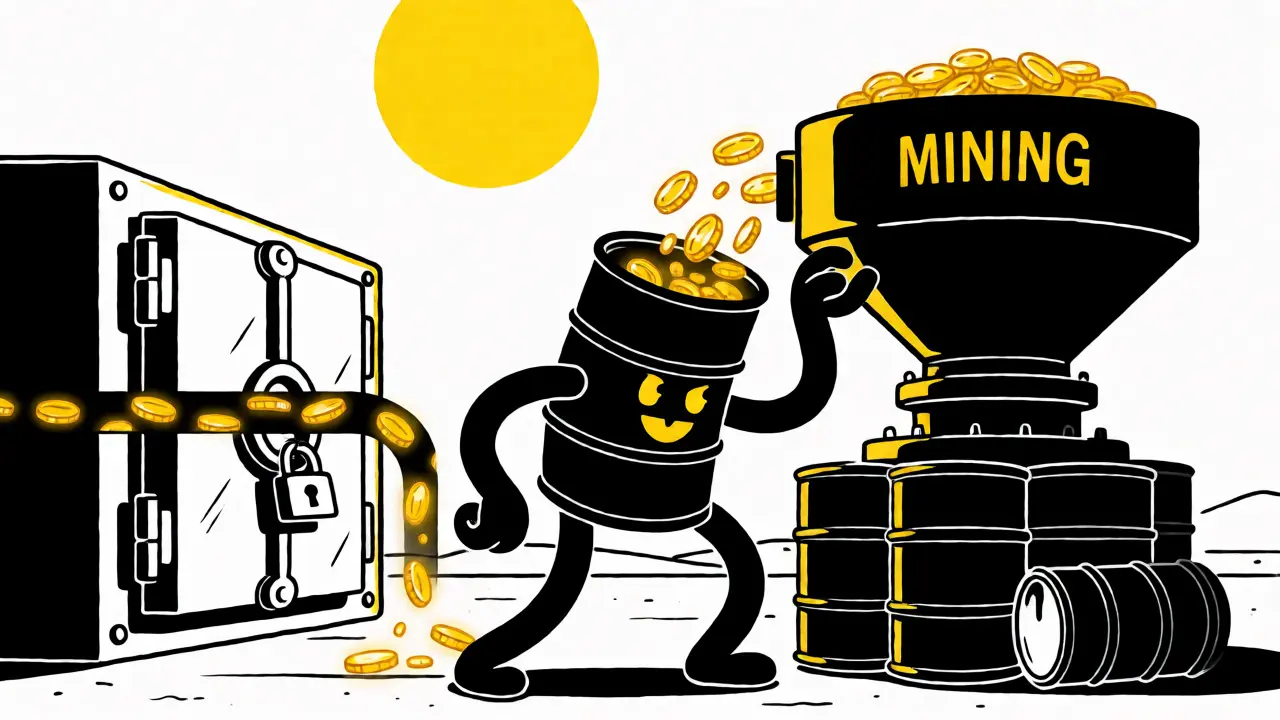
Imagine trying to buy medicine or industrial parts when the world has locked your bank accounts. That’s the daily reality for Iranian businesses under strict international sanctions. To keep the economy breathing, Tehran didn’t just tweak its policy; it built a parallel financial universe using cryptocurrency. This wasn't about tech enthusiasm-it was survival. By late 2025, this experiment had grown into a multi-billion dollar shadow economy, but it also became a high-stakes game of cat and mouse with global regulators.
The core idea was simple on paper: convert domestic energy resources into digital assets, then use those assets to pay for imports. Instead of selling oil for dollars that get stuck in correspondent banks, Iran mines Bitcoin using cheap local gas and electricity. These coins can then move across borders without traditional banking rails. But as we saw in 2025, relying on code to bypass geopolitics comes with massive risks. One hack, one regulatory shift, or one blockchain analysis report can freeze billions in value overnight.
How Iran Built Its Digital Fortress
Iran’s approach wasn’t accidental. It was a calculated state-level maneuver. The government realized early on that traditional SWIFT transfers were dead ends. So, they leaned into mining. By 2021, Iran was already producing nearly 5% of all new Bitcoin globally. They issued licenses to over 10,000 mining farms. Why? Because mining turns wasted energy (flared gas) into liquid capital. This capital doesn’t need a Visa card or a wire transfer to leave the country.
But mining is just the start. You need exchanges to turn that Bitcoin into usable currency for trade. Enter Nobitex, the country’s largest crypto exchange. With over 11 million users, Nobitex became the beating heart of Iran’s internal crypto market. It allowed citizens to hedge against the collapsing Rial and enabled businesses to settle cross-border debts. For years, this system worked surprisingly well, facilitating roughly $4.18 billion in crypto outflows by 2024-a 70% jump from the previous year.
The Regulatory Tightrope Walk
You might think the Iranian government loved this freedom. Not exactly. While they used crypto to evade external sanctions, they feared losing control internally. In early 2025, the Central Bank of Iran (CBI) cracked down hard. They ordered the closure of rial payment gateways for many exchanges. The reason? Operators weren’t paying taxes, and transaction volumes were ballooning into the billions without transparency.
This created a weird paradox. The state wanted crypto for international trade but banned it for domestic payments. You could use Bitcoin to buy steel from China, but you couldn’t easily use it to buy bread at the local bakery. The CBI retained full authority, requiring licenses for every participant. This dual-track system aimed to prevent capital flight while keeping the sanctions-evasion engine running. It’s a tightrope walk: too much control kills the liquidity, too little control lets money escape the tax net.
Nobitex and the Shadow Banking Network
If Nobitex was the face, the Islamic Revolutionary Guard Corps (IRGC) was the muscle behind the scenes. Data analysts from firms like Elliptic linked Nobitex wallets to IRGC-aligned financial activities. This wasn’t just about regular traders; it was about moving money for military and state projects. The sophistication reached a peak in September 2025, when the US Treasury’s Office of Foreign Assets Control (OFAC) dismantled a $600 million shadow banking network.
This network facilitated over $100 million in crypto purchases tied directly to Iranian oil sales between 2023 and 2025. OFAC designated specific Ethereum and Tron wallets controlled by key figures like Arash Estaki Alivand. These front companies mixed traditional trade invoices with crypto swaps, making it incredibly hard for auditors to trace the source of funds. It showed that Iran wasn’t just using crypto as a tool; they were integrating it deeply into their geopolitical strategy, particularly for the IRGC Quds Force.
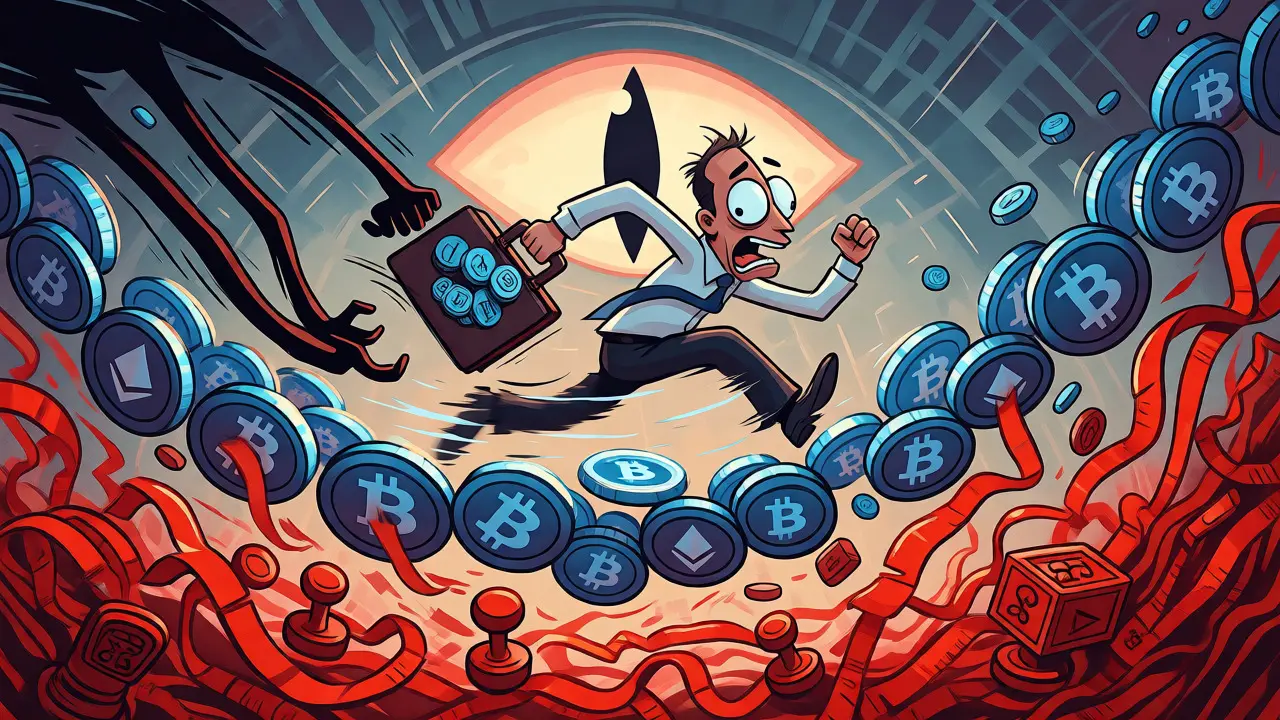
The June 2025 Exploit: A Wake-Up Call
Then came the crash. On June 18, 2025, Nobitex suffered a devastating exploit. Hackers drained over $90 million across multiple digital assets. This wasn’t just a technical glitch; it was a strategic blow. For a nation relying on a centralized exchange to manage its sanctions-evasion flows, losing that much liquidity hurt. It exposed the fragility of building a national financial strategy on platforms that are vulnerable to cyberattacks.
The incident highlighted a critical tension: cryptocurrency is borderless, but the infrastructure supporting it is not. Nobitex operated within Iran’s legal framework, yet it faced global security threats. The exploit forced a rethink. How do you secure billions in state reserves when your primary gateway is a single point of failure? The aftermath saw increased scrutiny on security protocols and a push toward more decentralized solutions, though the state’s preference for control remained strong.
Why Blockchain Intelligence Wins
One thing Iran underestimated: the transparency of the blockchain. While crypto hides the identity of the sender, it reveals the path of the money. Firms like Chainalysis and Elliptic developed sophisticated tools to track these movements. They combine on-chain data with off-chain intelligence-like knowing which company owns a specific wallet address. This makes "shadow" transactions less invisible than Tehran hoped.
For international regulators, this means sanctions evasion is no longer a black box. If an Iranian entity moves Bitcoin through a known exchange, analysts can flag it. This creates a chilling effect. Businesses in Europe or Asia hesitate to accept crypto from Iranian sources because they fear secondary sanctions. The very transparency that makes blockchain trustworthy also makes it a surveillance tool against evaders.
| Metric | Value/Status | Impact |
|---|---|---|
| Global Bitcoin Mining Share (2021) | ~5% | Established Iran as a major miner |
| Licensed Mining Farms (2022) | 10,000+ | Formalized energy-to-crypto conversion |
| Crypto Outflows (2024) | $4.18 Billion | 70% increase YoY, vital for imports |
| Nobitex Users | 11 Million+ | Dominant domestic trading venue |
| Shadow Network Size (2025) | $600 Million | Targeted by OFAC for oil-related trades |
| Nobitex Exploit Losses | $90 Million+ | Major setback to trust and liquidity |

Challenges for Global Businesses
If you’re a business owner outside Iran, what does this mean for you? It means friction. Even if you want to trade with Iranian partners, the compliance burden is heavy. Accepting crypto might seem easier than dealing with blocked bank wires, but you risk getting flagged by US or EU authorities. The complex web of front companies and mixers makes due diligence expensive.
Moreover, the regulatory environment inside Iran is volatile. Gateways close, licenses get revoked, and hacks happen. Relying on Iranian crypto partners requires a robust exit strategy. Many businesses have shifted to barter systems or third-country intermediaries rather than direct crypto settlements. The promise of seamless digital trade collided with the messy reality of enforcement.
The Future of Sanctions-Evading Crypto
So, where does this leave us? Iran’s strategy proved that cryptocurrency can indeed bypass traditional banking blockades. It kept goods flowing and provided a lifeline for the economy. However, the effectiveness is waning. Increased scrutiny from OFAC, better blockchain analytics, and internal instability (like the Nobitex hack) are raising the cost of evasion.
We aren’t seeing the end of crypto in Iran, but we are seeing a maturation. The era of easy, anonymous gains is over. Now, it’s about precision. The next phase will likely involve more state-controlled stablecoins or central bank digital currencies (CBDCs), which offer similar benefits but with even tighter oversight. For now, the lesson is clear: technology can bend the rules of economics, but it rarely breaks them entirely.
Why did Iran ban cryptocurrency for domestic payments?
The Central Bank of Iran bans domestic crypto payments to maintain monetary sovereignty and control inflation. If people widely used Bitcoin for buying groceries or services, the government would lose leverage over the money supply. Crypto is permitted primarily for international trade and savings, acting as a bridge to foreign markets rather than a replacement for the Rial in daily life.
What role did Nobitex play in Iran's strategy?
Nobitex served as the primary liquidity provider and trading hub for Iranian crypto users. With over 11 million users, it was the main venue where miners converted Bitcoin into other assets or fiat equivalents for trade. Its size made it critical infrastructure for the sanctions-evasion network, linking domestic mining output to international counterparties.
How did the 2025 Nobitex hack affect Iran's economy?
The loss of over $90 million significantly reduced available liquidity for importers who relied on the platform. It also damaged confidence in the stability of state-linked crypto infrastructure. The hack forced a reassessment of security protocols and slowed some cross-border settlement processes as businesses sought safer alternatives or waited for the platform to stabilize.
Can international companies safely trade with Iran using crypto?
It is risky. While technically possible, international firms face significant compliance challenges. Blockchain analytics firms can trace funds back to sanctioned entities like the IRGC. If a company accepts crypto from an Iranian source that is later deemed tainted, they could face secondary sanctions. Most large corporations prefer traditional channels or avoid Iranian exposure entirely unless they have specialized legal teams.
What is the "shadow banking" network mentioned in reports?
This refers to a complex web of front companies and cryptocurrency wallets used to obscure the origin of funds. Targeted by OFAC in 2025, this network moved hundreds of millions of dollars related to oil sales. It combined traditional shell companies with crypto transactions to break the audit trail, making it difficult for regulators to link final beneficiaries to sanctioned Iranian institutions.