
You probably remember the chaos of trying to buy your first Bitcoin without handing over your entire bank statement to a centralized giant. For years, LocalBitcoins was the go-to solution for that exact problem. It wasn't just another trading platform; it was a peer-to-peer marketplace that connected buyers and sellers directly across 250+ countries. But if you're searching for this review today, you might be confused by the silence from their website. Here is the hard truth: LocalBitcoins shut down its trading services in February 2023 due to European regulatory pressure (MiCA), leaving only withdrawal capabilities until mid-2025.
So why write a review for a dead exchange? Because understanding what made LocalBitcoins tick helps you navigate the current landscape of P2P crypto exchanges. Its legacy shaped how we think about privacy, escrow safety, and global accessibility in digital finance. Whether you are looking for an alternative or just want to know where your old funds went, this deep dive covers the good, the bad, and the regulatory hurdles that killed the king of P2P.
The Core Concept: Why LocalBitcoins Mattered
Unlike Coinbase or Binance, which act as counterparties to your trades, LocalBitcoins functioned strictly as a matchmaking service. Think of it as eBay for Bitcoin. You didn't trade with the company; you traded with other humans. The platform's primary value proposition was flexibility. If you wanted to buy BTC using a specific local bank transfer, cash deposit via Western Union, or even PayPal, you could find someone willing to do that deal.
This model thrived in emerging markets. In countries like Nigeria, Venezuela, and Argentina, where banking restrictions often blocked access to major exchanges, LocalBitcoins was often the only on-ramp to cryptocurrency. At its peak in 2021, the platform processed approximately $3.2 billion in quarterly trading volume across 1.7 million active users. It held roughly 65% of the dedicated P2P market share, dwarfing competitors like Paxful (which also shut down) and Remitano.
Security and Trust: The Escrow System
The biggest fear in any peer-to-peer transaction is getting scammed. Will the seller send the coins after I pay? Will the buyer claim they never received the goods? LocalBitcoins solved this with a mandatory escrow system. When a trade started, the seller’s Bitcoin was locked in the platform's escrow wallet. Once the buyer confirmed payment, the seller released the coins. If things went wrong, support stepped in to arbitrate.
User feedback highlighted this feature as a lifesaver. One Reddit user noted, "The escrow system saved me twice when sellers tried to scam me." However, security wasn't perfect. While the code held up, social engineering attacks persisted. Scammers would try to move conversations off-platform to bypass the escrow protection. To combat this, LocalBitcoins implemented Login Guard, requiring email verification for logins from new devices, and optional two-factor authentication (2FA). G2 reviews consistently rated these security measures highly, giving the platform a 4.2/5 average rating for trustworthiness before its closure.
Fees, Limits, and Verification Tiers
Costs were straightforward but varied based on payment method and merchant pricing. LocalBitcoins charged a transaction fee rather than maintenance fees on stored assets. During the wind-down period, withdrawals incurred standard network fees plus a small platform fee, but no maintenance charges applied to idle balances.
Verification was tiered, balancing privacy with compliance:
- Tier 0 (SMS Only): Up to €1,000 in trades. Ideal for small, quick purchases.
- Tier 1 (ID Verification): Up to €20,000. Required government ID and selfie.
- Tier 2 (Proof of Address): Up to €200,000. Added utility bills or bank statements.
- Tier 3 (Business Verification): Unlimited trading limits for verified businesses.
This structure allowed casual users to maintain some anonymity while enabling high-volume traders to operate legally. However, the shift toward mandatory KYC (Know Your Customer) procedures in 2019 alienated some privacy-focused purists who had used the platform since its inception in 2012.
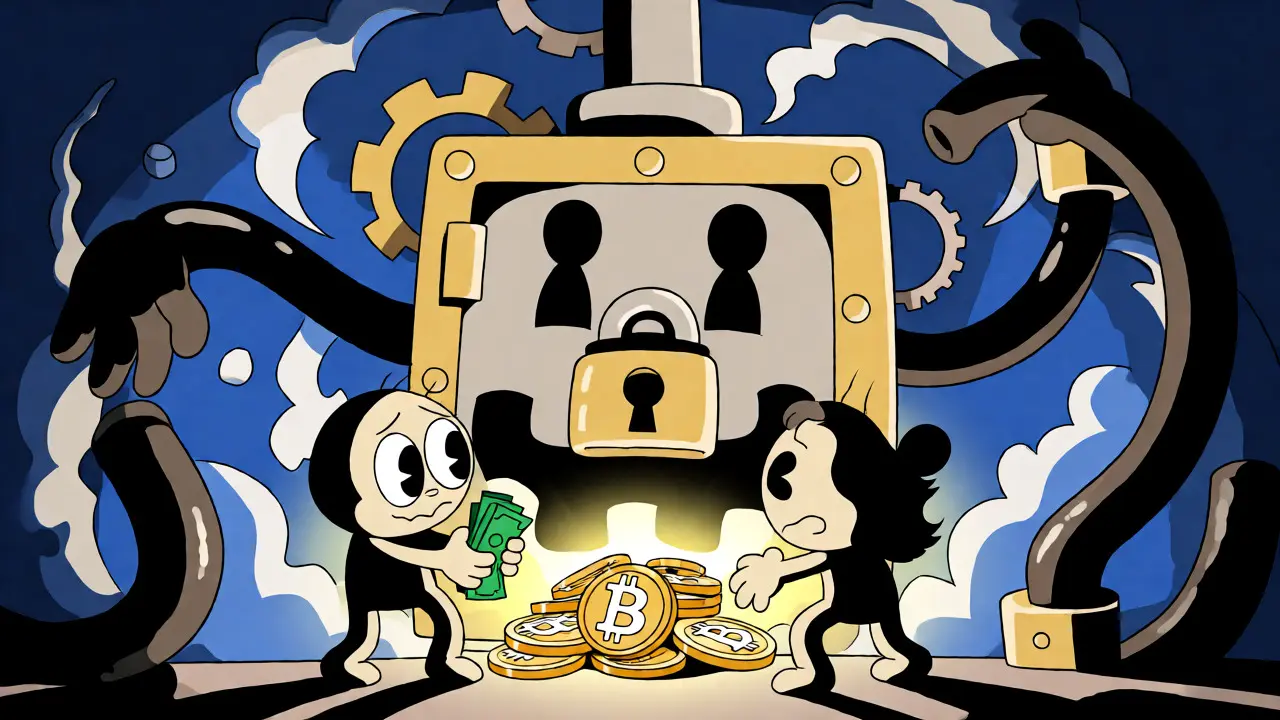
The Downfall: Regulatory Pressure and MiCA
If LocalBitcoins was so popular, why did it disappear? The answer lies in the Markets in Crypto-Assets (MiCA) regulation passed by the European Union. As a Finland-based company, LocalBitcoins faced strict compliance requirements that threatened its operational model. Unlike centralized exchanges that could absorb compliance costs through massive institutional volumes, P2P platforms struggled to monetize enough to cover the legal overhead of verifying millions of individual transactions against evolving laws.
The shutdown announcement in February 2023 cited these regulatory burdens as the primary driver. This wasn't an isolated incident; it signaled a broader industry trend. According to Chainalysis, 73% of jurisdictions now require P2P platforms to implement full KYC procedures. The era of loosely regulated, global P2P marketplaces is ending, replaced by compliant, regionalized players.
Best Alternatives to LocalBitcoins Today
With LocalBitcoins gone, where should you go? The void hasn't been filled by a single successor but fragmented among several specialized platforms. Your choice depends on whether you prioritize privacy, payment options, or ease of use.
| Platform | Primary Focus | KYC Requirement | Payment Methods | Best For |
|---|---|---|---|---|
| Remitano | Africa & Asia Markets | Mandatory | Bank Transfer, Mobile Money | Users in Nigeria, Ghana, Philippines |
| BitValve | Global P2P | Optional (Tiered) | Crypto-to-Crypto, Fiat | Privacy-conscious traders |
| Binance P2P | High Volume Global | Mandatory | 100+ Local Methods | Speed and liquidity |
| Hodl Hodl | Non-Custodial | None | Direct Bank/Cash | Maximum privacy (no custodial risk) |
Binance P2P has captured the largest share of former LocalBitcoins users simply due to liquidity. If you need to move large amounts quickly, Binance wins. But if you miss the non-custodial nature of LocalBitcoins-where the platform never holds your keys during the trade-look at Hodl Hodl. It uses multisig escrow, meaning the platform itself cannot freeze your funds, offering a closer experience to the original LocalBitcoins ethos.

Practical Tips for P2P Trading Today
Even though LocalBitcoins is closed, the lessons remain relevant for anyone using modern P2P platforms. First, always keep communication within the app. Scammers love to lure you to WhatsApp or Telegram to fake payment screenshots. Second, check the counterparty's reputation meticulously. Look for accounts with high completion rates and long histories. A brand-new account offering a great price is often a trap.
Also, be mindful of time zones. P2P trades involve real humans. If you initiate a trade at 3 AM your time, expect slower responses. Finally, understand the dispute process. On most platforms, disputes take 7-14 days to resolve. Always upload proof of payment immediately upon sending funds. Screenshots of bank transfers with reference numbers are your best defense.
FAQ
Is LocalBitcoins still open?
No, LocalBitcoins ceased trading operations in February 2023. Currently, the platform only supports withdrawals of remaining funds. New registrations are not accepted, and the site will fully close by mid-2025.
Why did LocalBitcoins shut down?
The primary reason was increased regulatory pressure, specifically the EU's Markets in Crypto-Assets (MiCA) regulation. Compliance costs became unsustainable for their business model, forcing them to exit the market.
What is the best replacement for LocalBitcoins?
It depends on your needs. Binance P2P offers the best liquidity and variety of payment methods. Remitano is ideal for African and Asian markets. For maximum privacy without KYC, consider Hodl Hodl or BitValve.
Can I still withdraw my money from LocalBitcoins?
Yes, customer withdrawals continue. There are no maintenance fees on assets, but standard transaction fees apply to each withdrawal. Ensure you complete this before the final shutdown in mid-2025.
Was LocalBitcoins safe?
Generally, yes. The escrow system protected both parties effectively. Most scams occurred due to user error, such as communicating outside the platform or releasing funds before confirming payment receipt.