
You’ve probably seen an ad for Moonit described as a high-yield cryptocurrency investment platform promising guaranteed returns. The ads are slick. They show graphs going up, testimonials from people who look like they just made their fortune, and buttons that say "Sign Up Now." It’s tempting. But before you put a single dollar into this platform, you need to know the truth: **Moonit is not a legitimate cryptocurrency exchange.**
This isn’t just a bad review. This is a critical warning. If you search for "Moonit crypto exchange" on major tracking sites like CoinMarketCap, CoinGecko, or even Trustpilot, you will find nothing. Zero reviews. Zero listings. For a company claiming to handle millions of dollars in user funds, this silence is deafening. In the world of crypto, if it isn’t tracked by independent auditors, it likely doesn’t exist-or worse, it’s a trap.
The Red Flags That Scream Scam
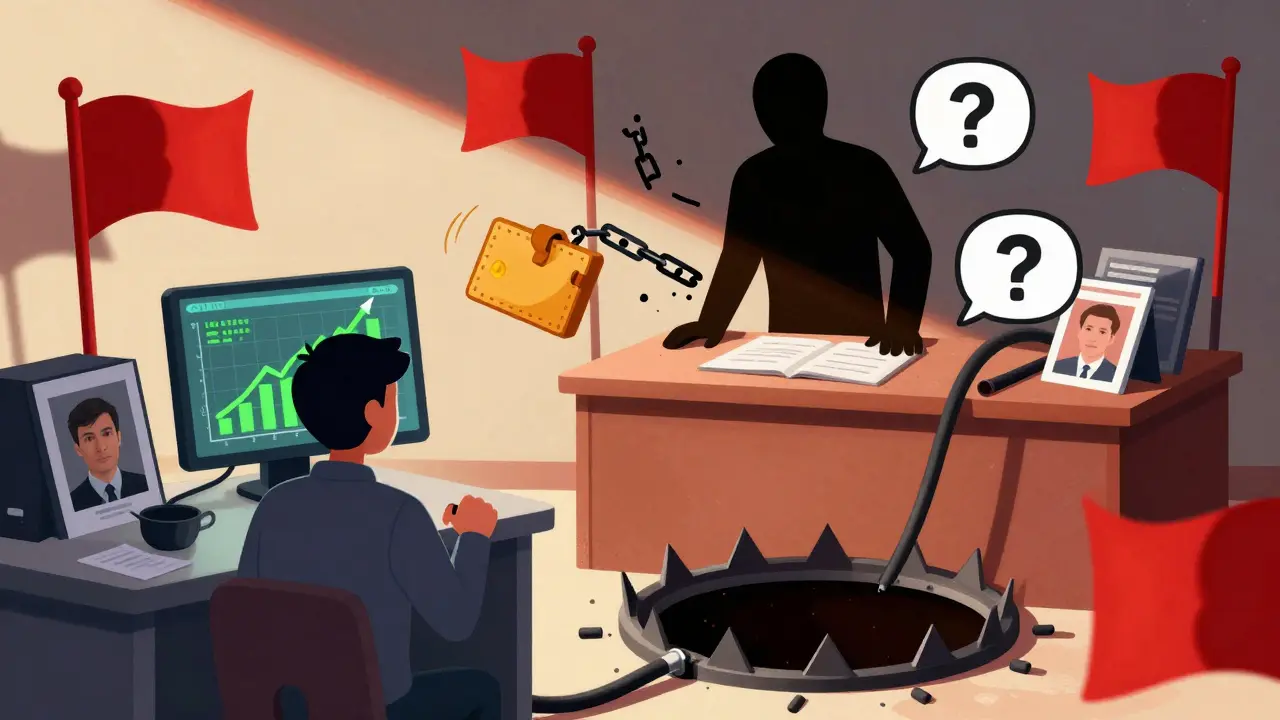
When evaluating any financial platform, especially in the volatile world of digital assets, certain patterns emerge repeatedly among fraudulent operations. Moonit checks every single box. Let’s break down why this platform should be avoided at all costs.
1. No Regulatory Oversight
Legitimate exchanges operate under strict regulations. In the United States, they register with the SEC or FinCEN. In Europe, they comply with MiCA regulations. In the UK, they are registered with the FCA. Moonit has no public record of registration with any of these bodies. Without regulation, there is no legal recourse if they steal your money. You are essentially handing cash to a stranger in a dark alley.
2. Guaranteed Returns Are Impossible
Any platform promising "guaranteed daily profits" or "risk-free investments" is lying. Cryptocurrency markets are notoriously volatile. Even the best hedge funds in the world cannot guarantee returns. Moonit’s marketing materials often suggest automated trading bots that never lose. This is a classic hallmark of a Ponzi scheme, where early investors are paid with the money deposited by new victims, until the house runs out of new recruits and collapses.
3. Anonymous Ownership
Who runs Moonit? Legitimate companies list their team members on LinkedIn, have physical office addresses, and publish annual reports. Moonit’s website typically features stock photos of smiling professionals with no verifiable identities. There is no CEO name you can trust, no corporate history, and no transparency about where the servers are located. This anonymity is designed to protect the scammers, not the users.
4. Aggressive Marketing Tactics
Have you received unsolicited messages on Telegram, WhatsApp, or Instagram from someone claiming to be a "crypto expert" who discovered Moonit? This is known as "pig butchering" or spam marketing. These actors use social engineering to build trust quickly, urging you to deposit small amounts first so you can withdraw them (to prove legitimacy), only to lock your larger deposits later when you try to exit.
How the Moonit Scam Actually Works
Understanding the mechanics of the fraud helps you recognize it before you get burned. Here is the typical lifecycle of a victim interacting with a platform like Moonit:
- The Hook: You encounter an ad or a message promising easy money. The interface looks professional, mimicking real exchanges like Binance or Coinbase.
- The Deposit: You are asked to deposit funds via bank transfer, wire, or directly with Bitcoin/Ethereum. Note: You rarely pay with credit cards because chargebacks are difficult once crypto leaves your wallet.
- The Illusion: Your dashboard shows your balance growing. You see green numbers. You feel smart. You might even withdraw a small amount ($50-$100) successfully. This is bait.
- The Trap: You decide to invest more-perhaps $5,000 or $10,000. When you try to withdraw your larger sum, the process fails.
- The Pressure: Customer support tells you that you must pay a "tax," a "verification fee," or "liquidity fee" to release your funds. They claim this is a regulatory requirement. If you pay, they invent another fee. If you don’t, they threaten to freeze your account permanently.
- The Disappearance: Eventually, the website goes offline, or the support chat stops responding. Your money is gone, sent to untraceable wallets overseas.
Why You Can’t Find Reviews for Moonit
If you’re searching for "Moonit reviews" and finding mostly blog posts that praise it, those are likely paid advertisements or SEO spam farms. They are not genuine user experiences. Here is how to verify if an exchange is real:
- CoinMarketCap/CoinGecko Check: Go to these sites and search for the exchange. If it’s not listed, it’s not credible. Major exchanges have transparent volume data here.
- Trustpilot & Reddit: Search r/CryptoCurrency or r/Scams on Reddit. Look for threads titled "[SCAM] Moonit" or similar. You’ll find countless stories from victims. On Trustpilot, legitimate exchanges have thousands of mixed reviews. Moonit has none, or fake ones created recently.
- Better Business Bureau (BBB): In the US, check the BBB database. Unregistered businesses with complaints are flagged.
The absence of negative reviews is itself a red flag. Every legitimate business has some unhappy customers. A perfect score with zero volume is statistically impossible.
Safe Alternatives: Where to Actually Trade Crypto
Don’t let this scare you away from cryptocurrency entirely. There are safe, regulated ways to buy, sell, and trade digital assets. Stick to platforms that are publicly traded, heavily regulated, and have years of operational history.
| Feature | Moonit | Coinbase / Binance / Kraken |
|---|---|---|
| Regulation | None / Unknown | Fully Regulated (SEC, FCA, etc.) |
| Transparency | Anonymous Team | Publicly Listed or Verified Entities |
| Returns | Guaranteed High Yield (Fake) | Market Dependent (Real) |
| Withdrawals | Blocked after large deposit | Instant or Near-Instant |
| Security | No Proof of Reserves | Audited Security, Insurance Funds |
Top Recommended Platforms:
- Coinbase: Best for beginners in the US. Publicly traded on NASDAQ, highly compliant, and insured.
- Binance: Largest global exchange by volume. Offers advanced trading tools, though regulatory scrutiny varies by country.
- Kraken: Known for strong security records and customer service. Great for privacy-conscious traders.
- Coinbase International: For users outside the US, ensuring local compliance.

What To Do If You Already Sent Money to Moonit
If you have already deposited funds into Moonit and are unable to withdraw, act immediately. Time is critical.
- Stop Sending Money: Do not pay any "fees" or "taxes" to unlock your funds. This is part of the scam. You will not get your money back by paying more.
- Document Everything: Take screenshots of your account, transaction IDs, chat logs with support, and email correspondence. Save URLs of the website.
- Contact Your Bank: If you used a bank transfer or debit card, call your bank immediately. Report it as fraud. Ask if they can reverse the transaction or freeze the recipient account. Success rates vary, but it’s worth trying.
- Report to Authorities:
- In the US: File a report with the FTC (ftc.gov/complaint) and the IC3 (FBI’s Internet Crime Complaint Center).
- In the UK: Report to Action Fraud.
- In the EU: Report to your national cybercrime unit.
- Warn Others: Post your experience on Reddit, Trustpilot, and social media. Help others avoid this trap.
Recovering funds from crypto scams is extremely difficult due to the irreversible nature of blockchain transactions. However, reporting it creates a paper trail that may help law enforcement track down the operators in future raids.
Protecting Yourself From Future Scams
The crypto space is evolving, and scammers are getting smarter. Here is how to stay safe in 2026:
- Use Hardware Wallets: For long-term storage, keep your crypto in a hardware wallet like Ledger or Trezor. Never leave large sums on exchanges.
- Enable 2FA: Use authenticator apps (Google Authenticator, Authy) rather than SMS for two-factor authentication. SIM swapping is a common attack vector.
- Verify URLs: Bookmark official exchange websites. Don’t click links from emails or social media ads. Phishing sites look identical to real ones.
- Be Skeptical of DMs: No legitimate crypto company will contact you first via Telegram or WhatsApp to offer investment advice.
- Educate Yourself: Understand basic blockchain concepts. If something sounds too good to be true, it is.
Cryptocurrency offers incredible opportunities for financial sovereignty and growth. But it also attracts bad actors who prey on the uninformed. By sticking to regulated, transparent platforms and ignoring promises of guaranteed wealth, you can participate in the market safely. Moonit is not one of those platforms. It is a risk you do not need to take.
Is Moonit a legitimate crypto exchange?
No, Moonit is not a legitimate crypto exchange. It lacks regulatory oversight, has no presence on major tracking sites like CoinMarketCap, and exhibits all the signs of a scam operation, including anonymous ownership and promises of guaranteed returns.
Can I withdraw my money from Moonit?
In most cases, no. While scammers may allow small initial withdrawals to build trust, they typically block larger withdrawals by demanding additional fees. Once you pay these fees, the money is lost, and the platform disappears.
Why does Moonit have no reviews online?
The lack of reviews is a major red flag. Legitimate exchanges have thousands of user reviews. Moonit’s absence from Trustpilot, Reddit, and CoinGecko indicates it is either very new, non-existent, or actively hiding its reputation.
What should I do if I was scammed by Moonit?
Stop sending any more money. Contact your bank immediately to report fraud. Document all interactions and file reports with the FTC (in the US) or your local cybercrime authority. Warn others by posting your experience online.
Are there safe alternatives to Moonit?
Yes. Stick to well-known, regulated exchanges like Coinbase, Binance, Kraken, or Bitfinex. These platforms are publicly accountable, undergo regular security audits, and are listed on major cryptocurrency tracking websites.