
You click "Buy" on a new exchange, expecting smooth sailing, and suddenly your funds are stuck in limbo. That’s the nightmare scenario every trader wants to avoid. If you’ve been eyeing onAVAX as your go-to spot for trading Avalanche tokens, you probably have questions about its legitimacy, fees, and whether it actually delivers on the promise of low-cost, high-speed transactions. Let’s cut through the noise and look at what this platform really offers.
The crypto world moves fast. What was hot last year might be obsolete today. With the Avalanche blockchain undergoing massive upgrades like the Octane update, the landscape for trading AVAX has shifted dramatically. This review digs into how onAVAX fits into that new reality, especially now that gas fees have plummeted and institutional players like Visa are jumping on board.
What Exactly Is onAVAX?
First things first: clarity matters. Many users confuse onAVAX with the broader Avalanche ecosystem or specific decentralized exchanges like Trader Joe. While onAVAX operates within this vibrant network, it functions primarily as a specialized gateway or interface designed to streamline interactions with the Avalanche C-Chain (Contract Chain).
Unlike traditional centralized exchanges where you trade against the house, onAVAX often leverages the underlying liquidity of the Avalanche network. Think of it less as a bank vault and more as a high-speed toll booth. You bring your assets, you pay a small fee, and you get access to the vast DeFi opportunities on Avalanche. The platform capitalizes on the network's unique architecture, which splits operations across three chains: the X-Chain for asset creation, the P-Chain for staking, and the C-Chain for smart contracts.
| Feature | onAVAX Interface | Traditional CEX |
|---|---|---|
| Transaction Fees | Dynamic, typically very low post-Octane upgrade | Fixed percentage + withdrawal fees |
| Custody | Often non-custodial or hybrid | Fully custodial |
| Speed | Sub-second finality via Avalanche consensus | Varies by settlement layer |
| Asset Support | Deep integration with AVAX, sAVAX, USDC, EURC | Broad but generic support |
Fees and Speed: The Octane Upgrade Impact
Here is where onAVAX shines. Remember when moving money on Ethereum cost $50? Or even early Avalanche days where fees were noticeable? Those days are gone. The implementation of the ACP-176 "Octane" upgrade introduced a dynamic-fee mechanism that slashed costs significantly. For a user on onAVAX, this means your transaction fees are often measured in cents, not dollars.
Why does this matter? Because if you are day-trading AVAX or swapping between stablecoins like USDC and EURC, high fees eat your profits alive. onAVAX passes these savings directly to you. The platform doesn't just hide behind opaque spreads; it leverages the network's efficiency. When daily transaction volumes on the C-Chain spiked after the fee drop, platforms like onAVAX became critical infrastructure for retail traders who couldn't afford to wait minutes for confirmation or pay premium gas prices.
Is it faster than a centralized exchange? Technically, no centralized exchange is "faster" because they batch transactions internally before settling on-chain. But onAVAX offers near-instant feedback loops. You see your balance update almost immediately because the Avalanche consensus mechanism uses a Directed Acyclic Graph (DAG) structure. This allows for parallel processing of transactions, meaning the network doesn't bottleneck as easily as linear blockchains.
Liquidity and Asset Availability
An exchange is only as good as the assets it lets you buy and sell. In 2026, the Avalanche ecosystem has matured beyond simple meme coins. We are talking about real-world utility. onAVAX provides direct access to the most liquid pairs on the network. This includes major stablecoins, liquid-staking derivatives like sAVAX, and emerging synthetic assets like avUSD.
The Total Value Locked (TVL) in the Avalanche DeFi sector grew by approximately 62% quarter-over-quarter in recent data, signaling deep liquidity pools. When you trade on onAVAX, you aren't fighting for scraps. You are tapping into billions of dollars in locked value. Protocols like Aave and Euler have launched with significant liquidity, ensuring that slippage remains low even for large orders. If you are trying to move $10,000 worth of AVAX into USDC, you won't crash the price. That depth of market is crucial for serious investors.
However, don't expect to find every obscure altcoin here. onAVAX focuses on quality over quantity. It prioritizes assets with genuine utility and strong community backing. If you are looking for the next micro-cap gem that launched yesterday, you might need to dig deeper into smaller DEX aggregators. But for blue-chip Avalanche assets, onAVAX is robust.

Safety and Security Concerns
Let’s address the elephant in the room: trust. Who runs onAVAX? In the crypto world, pseudonymous teams are common. While some users worry about anonymity, others see it as a feature. It suggests resilience against regulatory pressure that might target individual founders. However, this lack of a public face requires you to do your due diligence.
Security isn't just about the team; it's about the code. onAVAX interacts with smart contracts that have been battle-tested on the mainnet. The platform supports Circle’s USDC and EURC, which adds a layer of regulatory compliance and stability compared to algorithmic stablecoins that can depeg. Always check for audit reports from reputable firms like CertiK or Hacken before connecting your wallet. If an exchange claims to be secure but doesn't publish audits, walk away.
Another factor is custody. Does onAVAX hold your keys? Most modern interfaces emphasize self-custody. You connect your MetaMask or WalletConnect, sign the transaction, and the swap happens on-chain. This reduces the risk of exchange insolvency, a plague that took down giants like FTX. If onAVAX operates primarily as a front-end for on-chain swaps, your assets remain in your control until the moment of execution.
User Experience and Interface
Technical prowess means nothing if the app crashes or the UI is confusing. onAVAX generally aims for a clean, minimalist design. The goal is to reduce friction. You want to select your input token, choose your output token, and hit swap. Simple.
Some users report occasional latency during peak network congestion, though the Octane upgrade mitigated this significantly. The dashboard provides essential analytics: current rates, estimated gas fees, and slippage tolerance settings. Adjusting slippage is critical here. Because the market moves fast, setting a fixed slippage too low might cause failed transactions, while setting it too high could lead to unfavorable prices. A good rule of thumb for volatile pairs like AVAX/USDT is to start with 0.5% to 1% and adjust based on volatility.
Mobile responsiveness is another plus. Trading on the go is inevitable. The interface adapts well to mobile browsers, allowing you to execute trades without needing a desktop setup. Community support is also available, often through Discord channels, which is standard for projects deeply embedded in the Web3 ethos.
How onAVAX Compares to Trader Joe and Other DEXs
You might ask, "Why use onAVAX when I can use Trader Joe (LFJ)?" Trader Joe is the heavyweight champion of Avalanche DEXs. It offers advanced features like limit orders and yield farming strategies. onAVAX, conversely, often positions itself as a streamlined entry point. It might aggregate liquidity from multiple sources, including Trader Joe, Benqi, and others, to give you the best rate.
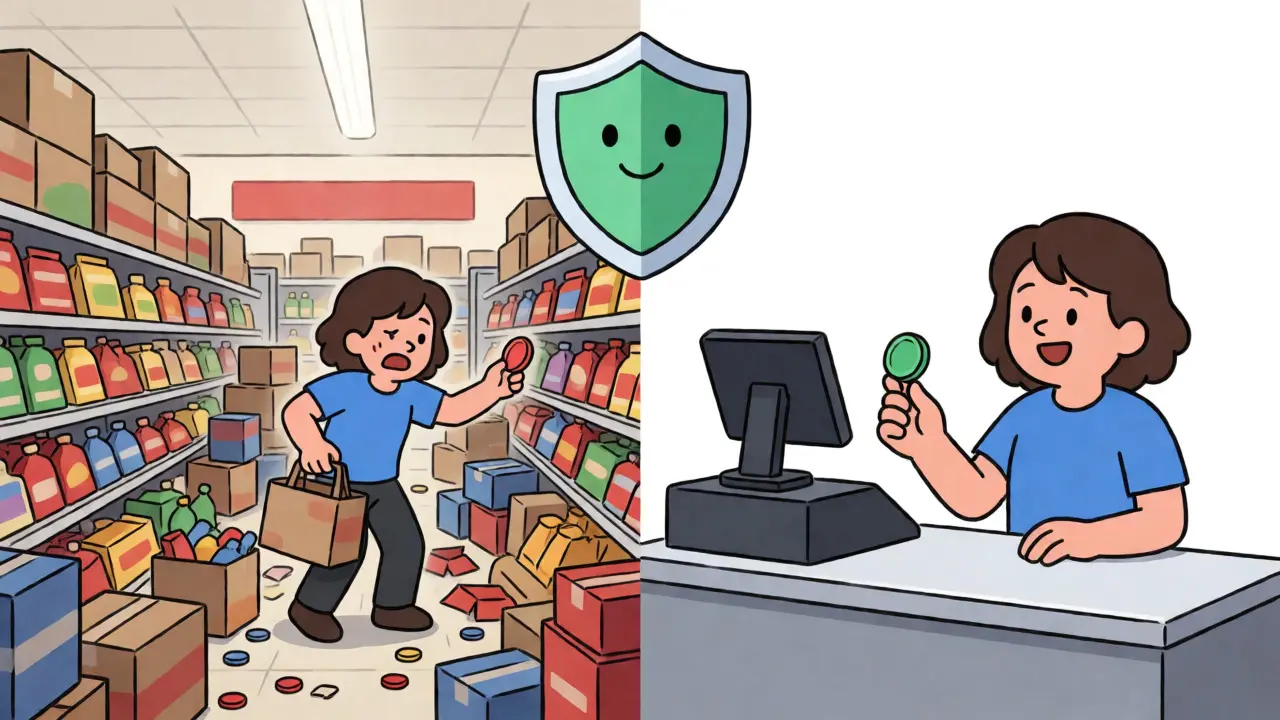
Think of it this way: Trader Joe is a full-service grocery store with everything you need. onAVAX might be the quick checkout lane at the corner shop. If you just need to swap AVAX for USDC quickly and cheaply, onAVAX is efficient. If you want to provide liquidity, farm rewards, or manage complex portfolios, you might prefer the dedicated tools on larger platforms. However, the lines are blurring as onAVAX integrates more features.
Verdict: Should You Use onAVAX?
If you are already active in the Avalanche ecosystem, onAVAX is a valuable tool in your arsenal. Its strength lies in simplicity and cost-efficiency. The post-Octane fee environment makes it incredibly attractive for frequent traders. You save money on every swap, and those savings compound over time.
But it’s not for everyone. If you need fiat on-ramps directly integrated (buying crypto with a credit card), you might still rely on centralized exchanges like Coinbase or Binance to get your initial AVAX, then bridge it to onAVAX for trading. If you require extensive customer service with phone support, the crypto-native nature of onAVAX might feel isolating.
For the average user looking to maximize returns on their Avalanche holdings, onAVAX offers a compelling mix of speed, security, and low costs. Just remember: always verify URLs, keep your private keys safe, and start with small amounts to test the waters.
Is onAVAX a centralized or decentralized exchange?
onAVAX typically functions as a decentralized interface or aggregator. It connects users to on-chain liquidity pools rather than holding funds in a central vault. This means you retain custody of your assets in your personal wallet (like MetaMask) until the transaction is executed on the blockchain.
What are the fees on onAVAX compared to other exchanges?
Fees are generally very low, especially following the Avalanche Octane upgrade. Users typically pay a small protocol fee (often around 0.3% depending on the pool) plus minimal network gas fees, which are now fractions of a cent. This is significantly cheaper than many centralized exchanges that charge higher withdrawal fees.
Can I buy AVAX directly with a credit card on onAVAX?
Typically, no. onAVAX is designed for swapping existing crypto assets. To get AVAX onto the platform, you usually need to purchase it on a centralized exchange (like Coinbase or Kraken) and withdraw it to your Avalanche wallet address first.
Is my money safe on onAVAX?
Safety depends on smart contract security. Since onAVAX interacts with audited protocols, the risk is lower than using unaudited forks. However, you should always check for recent audit reports and ensure you are on the correct official website to avoid phishing scams.
Does onAVAX support staking?
While onAVAX facilitates swaps, staking capabilities vary. Some versions integrate with liquid staking providers like Benqi or Pangolin, allowing you to acquire sAVAX. Check the specific feature set on their dashboard for current staking options.
Comments (18)
liam & the bees
September 2, 2026 AT 03:06
Great breakdown of the Octane upgrade impact! As someone who has been deep in the Avalanche ecosystem since the early days, I can confirm that the fee reduction is genuinely game-changing for retail traders. The sub-second finality via the DAG structure really does make onAVAX feel like a high-speed toll booth rather than a bottlenecked highway. For anyone hesitant to try it out, start with small swaps between USDC and AVAX to get a feel for the interface. It’s refreshing to see an exchange that prioritizes user experience without sacrificing security or transparency. Keep up the good work highlighting these niche but powerful tools!
Edward Ogunfolaju
September 3, 2026 AT 06:36
Stop sleeping on this platform. The speed alone justifies the switch from your old CEX. You need to act now before everyone else realizes how cheap gas fees are post-Octane.
Liam Grimes
September 4, 2026 AT 15:06
yeah its pretty decent actually. i used it last week to swap some sAVAX into USDC and the slippage was low as hell. only thing is you gotta watch your wallet connect settings sometimes cause it can be finicky if your browser is outdated. but overall solid tool for quick trades without paying huge withdrawal fees like binance charges.
Matthew O'Neill
September 5, 2026 AT 03:02
This review is painfully superficial. You gloss over the critical issue of MEV (Maximal Extractable Value) exposure which plagues all DEX interfaces including onAVAX. While you mention 'dynamic fees', you fail to address the sandwich attacks that retail users suffer when liquidity pools are not sufficiently deep during volatility spikes. Furthermore, calling it a 'gateway' ignores the fact that most aggregators simply route through Trader Joe anyway, meaning onAVAX adds an unnecessary layer of abstraction and potential smart contract risk without adding genuine alpha. If you aren't running your own node or using private RPCs, you are essentially donating money to bots. This isn't a 'high-speed toll booth'; it's a casino where the house edge is hidden in the mempool latency.
Linda Jevne
September 6, 2026 AT 03:42
I find the concept of decentralized exchanges fascinating because they represent a philosophical shift in ownership. We are moving away from the feudalism of centralized banks toward a digital commons. However, one must wonder if the average user truly understands the burden of self-custody. Is the freedom worth the anxiety of losing a seed phrase? onAVAX seems to bridge this gap by offering simplicity, but does simplicity mask the complexity of the underlying protocol risks? It is a beautiful dance between convenience and sovereignty, yet we must remain vigilant observers of our own digital fate.
Melanie Armijo
September 6, 2026 AT 20:01
It feels nice to have options that don't involve big corporations holding our money. There is something peaceful about knowing your keys are yours. Even if the tech is complex, the intention behind platforms like this is pure and helpful for those seeking autonomy.
Nadia Christian
September 8, 2026 AT 10:06
Finally!! A platform that doesn't treat Americans like second-class citizens with higher fees!!! I love seeing US-based projects succeed globally!!! Go USA!!! But seriously, why do we always have to bridge from Coinbase first?? That extra step is annoyingly bureaucratic!!! Fix the fiat on-ramp integration NOW!!!
jeffry jones
September 9, 2026 AT 18:15
Good overview. Remember to check slippage tolerance carefully. High volatility requires wider bands to avoid failed txs.
Aaliyah Simpson
September 11, 2026 AT 10:27
smh another crypto shill article pretending everything is safe while ftx collapsed and everyone lost their shirts. probably run by anon devs who rug pulled three other projects already. whatever. just wait for the next crash and laugh at the people who trusted 'audited' code that nobody reads.
Paul Needham
September 11, 2026 AT 11:33
Oh wow, look at us, so proud of saving $0.05 on gas while risking total loss of capital due to smart contract bugs. How delightful. Truly inspiring. I'm sure the 'community support' is just a bunch of bots telling each other how great the UI is.
Jillian Pye
September 12, 2026 AT 01:37
I appreciate the balanced view here. 😊 It helps to know both the pros and cons before connecting my wallet. The emphasis on checking audit reports is very wise advice. 🛡️
Martha Packard
September 12, 2026 AT 16:05
You're all missing the point. Decentralization is a lie sold to suckers. onAVAX is just another middleman taking a cut without providing value. Why pay them when you can go directly to the source? Everyone loves to pretend they are free spirits until they realize they are trapped in a system designed to extract wealth. Wake up.
Jarnail Singh
September 13, 2026 AT 20:18
As a proud Indian investor watching the global blockchain revolution unfold, I must say that the technological sophistication of Avalanche is commendable. However, we must remember that true financial independence comes from understanding the root technology, not just clicking buttons on a fancy interface. India has always led in mathematical innovation, and perhaps we should consider developing our own indigenous DeFi solutions rather than relying solely on Western-centric platforms like onAVAX. Still, the efficiency gains from the Octane upgrade are undeniable and beneficial for the global south as well. Let us embrace progress while maintaining our cultural identity in the digital age. 🙏🇮🇳
Ashwini Chaskar
September 14, 2026 AT 03:10
i feel like everyone is ignoring the emotional toll of trading on these platforms the stress of watching balances fluctuate every second is real and nobody talks about how it affects mental health we just chase profits and forget that we are human beings with feelings and needs beyond the chart patterns
Sam Ariafar
September 14, 2026 AT 16:28
It is morally questionable to promote any platform that facilitates speculation without addressing the environmental cost of proof-of-stake transitions fully. We should prioritize sustainability over speed.
Jane yuan
September 16, 2026 AT 10:45
Low fees are good. Speed is good. Security is paramount. Simple facts.
Ian Munro
September 17, 2026 AT 02:31
The comparison to Trader Joe is apt. Use the right tool for the job. Don't overcomplicate simple swaps.
Trista Dennis
September 17, 2026 AT 14:17
Sure, let's trust a platform whose main selling point is 'it's not a bank' while simultaneously acting exactly like a bank that forgot to charge interest. Groundbreaking stuff. Truly revolutionary.