
Have you ever heard of a crypto platform that promises "bespoke digital asset solutions" but refuses to tell you who owns it? That’s exactly the situation with Sparrow Exchange, a cryptocurrency trading platform that has raised serious red flags among security experts and traders alike. If you’re looking for a reliable place to trade Bitcoin, Ethereum, or other altcoins, this review will help you understand why you should probably keep your wallet closed when it comes to Sparrow.
The crypto space is crowded with legitimate giants like Coinbase and Binance, but it’s also littered with questionable platforms that vanish overnight. Sparrow Exchange falls into the latter category. As of mid-2026, there is almost no verifiable evidence that this platform operates legally, securely, or even actively. This article breaks down everything we know-and more importantly, what we don’t-so you can protect your capital.
Who Owns Sparrow Exchange?
In the world of finance, transparency isn’t just a nice-to-have; it’s a requirement. When you deposit money into a bank or an exchange, you need to know who holds it. With Sparrow Exchange lacks any public information about its founding date, founders, corporate entity, or operational headquarters. This is a massive warning sign.
Legitimate exchanges publish their company registration details. For example, Coinbase is publicly traded on the NYSE, and Kraken provides clear information about its leadership team and regulatory compliance in multiple jurisdictions. In contrast, Sparrow Exchange appears to be a ghost. There are no LinkedIn profiles for its executives, no press releases announcing partnerships, and no records of incorporation in major financial hubs like Delaware, Singapore, or the Cayman Islands.
- No Founders Listed: You cannot find the names of the people behind the platform.
- No Corporate Entity: No business registration numbers or legal addresses are available.
- No Regulatory Licenses: The platform does not appear on any government regulator’s list of approved entities.
If a company won’t tell you who they are, how can you trust them with your money? The absence of this basic information suggests that Sparrow Exchange may not be a legitimate business at all.
Security Concerns: Promises vs. Reality
Sparrow Exchange markets itself as offering "security-focused trading." They claim to use encryption protocols, two-factor authentication (2FA), and cold storage for cryptocurrencies. On paper, these sound like standard industry practices. However, claims mean nothing without proof.
Established exchanges undergo regular third-party security audits by firms like Trail of Bits or Kudelski Security. These audits verify that the exchange’s code is secure and that customer funds are properly segregated. Sparrow Exchange has no such audit reports. Furthermore, unlike Kraken or Bitfinex, which publish monthly Proof-of-Reserves (PoR) reports to show they actually hold user assets, Sparrow provides no transparency regarding fund custody.
| Feature | Sparrow Exchange | Top-Tier Exchanges (e.g., Kraken, Coinbase) |
|---|---|---|
| Third-Party Audits | None found | Regular audits by independent firms |
| Proof of Reserves | Not published | Monthly/Quarterly public reports |
| Regulatory Compliance | Unknown/Non-existent | Licensed in US, EU, Asia |
| Cold Storage Verification | Claimed only | Verified via multi-sig wallets |
The lack of verifiable security measures puts your funds at extreme risk. Without cold storage verification, there is no guarantee that your coins aren’t sitting in hot wallets vulnerable to hackers-or worse, being used by the operators themselves.

Trading Experience: Liquidity and Order Books
Even if you ignore the security risks, the actual trading experience on Sparrow Exchange is problematic. A good exchange needs deep liquidity, meaning there are enough buyers and sellers to execute your trades quickly at fair prices. Sparrow fails here too.
According to analysis from Waivio.com, Sparrow Exchange suffers from "obscure and non-reliable order books." This means that when you try to buy or sell, you might face significant slippage, where your trade executes at a much worse price than expected due to low volume. Additionally, users have reported delays in deposits and withdrawals. In crypto, time is money. If you can’t access your funds when you need them, the platform is useless.
Compare this to Uniswap, a decentralized exchange that processed over $180 billion in volume in 2022 alone, or Binance, which handles billions in daily transactions. These platforms have real-time data, transparent fee structures, and robust APIs for traders. Sparrow offers none of this. There is no API documentation, no historical volume data on CoinGecko or CoinMarketCap, and no insight into their trading engine’s performance.
Is Sparrow Exchange a Scam?
We can’t definitively label Sparrow Exchange a "scam" without a court ruling, but the evidence points strongly toward fraud or abandonment. Here are the key indicators:
- Website Status: As of late 2023, the website appeared non-functional, with no valid SSL certificates or DNS records. By 2026, there is still no active, verifiable web presence.
- No User Reviews: Legitimate businesses have customers. Sparrow has zero reviews on Trustpilot, Sitejabber, or Reddit’s r/CryptoCurrency. This silence is deafening.
- Confusion with Sparrow Wallet: Many users confuse Sparrow Exchange with Sparrow Wallet, which is a reputable, open-source, non-custodial Bitcoin wallet. They are completely different entities. Do not let the similar name fool you.
- Absence from Rankings: Major trackers like CoinCodex and CryptoCompare monitor hundreds of exchanges. Sparrow doesn’t appear in their lists because it has no measurable market activity.
When a platform disappears from the internet, leaves no trail of ownership, and has no users, it is often a case of an abandoned project or a rug pull. Your money would likely be gone forever if you deposited it.
Better Alternatives for Secure Trading
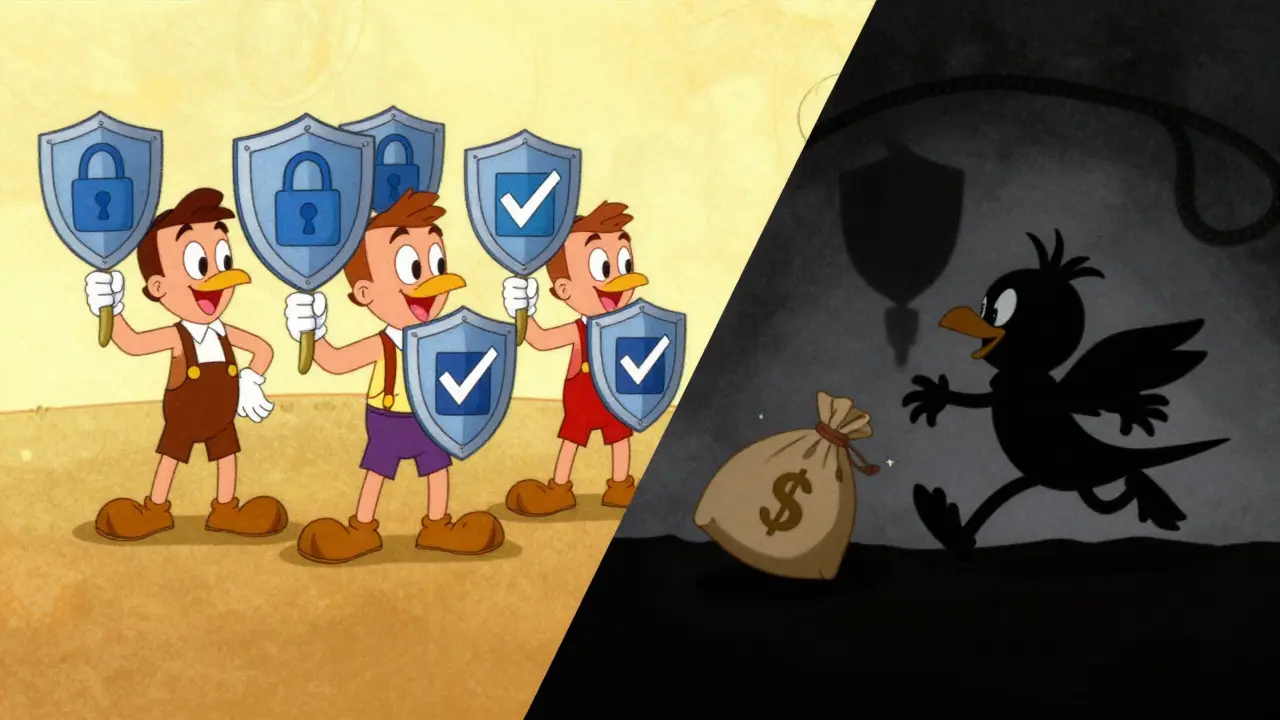
If you are looking for a safe place to trade crypto, stick with established, regulated platforms. Here are three alternatives that offer transparency, security, and reliability:
- Kraken: Known for strong security, Kraken has never been hacked since its launch in 2011. They provide regular Proof-of-Reserves and are compliant with regulations in the US and Europe.
- Coinbase: As a publicly traded company, Coinbase offers high levels of accountability. It is ideal for beginners due to its user-friendly interface and extensive educational resources.
- Uniswap: For those who prefer decentralization, Uniswap allows you to trade directly from your wallet without giving up custody of your assets. It is built on Ethereum and has massive liquidity.
These platforms may charge slightly higher fees or require KYC (Know Your Customer) verification, but that cost is worth the peace of mind. You are paying for insurance against theft and fraud.
Final Verdict: Stay Away
Sparrow Exchange is not recommended for any type of trader. Whether you are a beginner looking to buy your first Bitcoin or an experienced investor seeking altcoin opportunities, this platform poses unacceptable risks. The lack of transparency, missing regulatory licenses, and poor technical infrastructure make it a dangerous choice.
In the crypto world, trust is earned through consistency, openness, and security. Sparrow Exchange has provided none of these. Instead of risking your hard-earned money on a ghost platform, choose an exchange that respects your safety and complies with the law. Your portfolio will thank you.
Is Sparrow Exchange the same as Sparrow Wallet?
No, they are completely different. Sparrow Wallet is a well-known, open-source, non-custodial Bitcoin wallet that gives you full control over your private keys. Sparrow Exchange is a separate, unverified trading platform with no connection to the wallet developers. Confusing the two could lead to serious security mistakes.
Can I withdraw my money from Sparrow Exchange?
It is highly unlikely. Reports indicate significant delays in withdrawals, and the platform’s website has been non-functional for years. If the platform is abandoned or fraudulent, recovering funds is nearly impossible. Do not deposit new money expecting to withdraw it later.
Why is Sparrow Exchange not listed on CoinMarketCap?
CoinMarketCap and CoinGecko only list exchanges that meet strict criteria for legitimacy, including verifiable trading volume, active websites, and transparent operations. Sparrow Exchange fails to meet these standards, indicating it has no real market presence or liquidity.
What are the signs of a shady crypto exchange?
Key red flags include: anonymous ownership, lack of regulatory licenses, no third-party security audits, missing Proof-of-Reserves, poor or non-existent customer support, and negative or absent user reviews. If a platform hides its identity, it is hiding something.
Is it safe to trade on unknown crypto platforms?
Generally, no. Unknown platforms carry high risks of fraud, hacking, or sudden shutdowns. Always research an exchange thoroughly before depositing funds. Stick to top-tier, regulated exchanges with long track records of security and transparency.