Imagine logging into your favorite trading platform, only to find a blank screen. No error message. No maintenance notice. Just silence. That is exactly what happened to users trying to access SwipeSwap, which is a cross-chain automated market maker protocol developed by Swipe Network back in March 2023. If you are reading this review in 2026 hoping to start trading on SwipeSwap, you need to stop right now. The platform appears to be dead.
This isn't just a hunch. Multiple independent reviews flagged the site as inaccessible over two years ago. But before you write it off completely, let's look at why SwipeSwap existed, how it worked, and where you should go instead if you want similar features without the risk of a ghost town.
The Rise and Fall of SwipeSwap
To understand why SwipeSwap failed, we have to look at its origins. The project started with big ambitions. Swipe Network was founded in 2018 with the mission of bridging cryptocurrencies and traditional finance. They wanted interoperability-a way for different blockchains to talk to each other smoothly. For a while, things looked promising. In July 2020, Binance, the world's largest crypto exchange, acquired Swipe and listed its native token, SXP. This acquisition gave SwipeSwap instant legitimacy. Being backed by Binance meant traders trusted the platform more than they would trust a random new DEX.
SwipeSwap operated as a decentralized exchange (DEX). Unlike centralized exchanges like Coinbase or Binance, where a company holds your funds, SwipeSwap used smart contracts on the Ethereum and Binance Smart Chain (BSC) networks. You connected your wallet, swapped tokens, and kept custody of your assets. The protocol acted as an Automated Market Maker (AMM), meaning liquidity providers supplied the funds for trades rather than a central order book.
However, the crypto landscape changed fast. By early 2023, reports surfaced that the SwipeSwap website was down. There were no announcements about migration, security breaches, or upgrades. The silence suggested abandonment. As of 2026, there is no evidence that the platform has revived. Investing time or money into a dead protocol is not just risky; it’s impossible.
How SwipeSwap Worked (When It Was Alive)
If you are studying SwipeSwap for academic reasons or historical context, understanding its mechanics is crucial. The platform relied heavily on its native utility token, SXP, which served as the governance and reward token for the SwipeSwap ecosystem.
Here is how the economics functioned:
- Trading Fees: SwipeSwap charged a flat 0.30% fee on every transaction. This applied to both makers (those adding liquidity) and takers (those swapping tokens).
- Fee Distribution: Five-sixths (5/6) of these fees went directly to liquidity providers as rewards. This incentivized people to deposit their crypto into the pools. One-sixth (1/6) of the fees were used to buy back and burn SXP tokens, creating a deflationary pressure on the token supply.
- Governance: Holders of SXP could vote on changes to the protocol, including fee adjustments. This community-driven approach was standard for DeFi projects but required an active user base to function.
The 0.30% fee structure was actually quite high compared to industry standards. Most major DEXs and CEXs operate with lower fees to attract volume. For example, Binance typically charges around 0.10% for standard spot trading. High fees can kill a DEX quickly because arbitrage bots will simply move to cheaper platforms, draining liquidity from the expensive one.
Critical Limitations of the Platform
Even when SwipeSwap was operational, it had significant drawbacks that limited its appeal to mainstream users. Understanding these limitations helps explain why it struggled against competitors.
| Feature | SwipeSwap (Historical) | Binance (CEX) | PancakeSwap (DEX) |
|---|---|---|---|
| Trading Fee | 0.30% | ~0.10% | 0.25% (standard) |
| Fiat Onramp | No | Yes (USD, EUR, etc.) | No |
| Network Support | Ethereum, BSC | Multi-chain custody | BSC primarily |
| KYC Required | No | Yes | No |
| Status (2026) | Inactive/Dead | Active | Active |
The biggest hurdle for new users was the lack of fiat support. You couldn't walk up to SwipeSwap with dollars or euros. You had to already own cryptocurrency. This created friction for beginners who needed to use a centralized exchange first, pay fees there, transfer funds to a wallet, and then bridge them to SwipeSwap. Each step added cost and complexity.
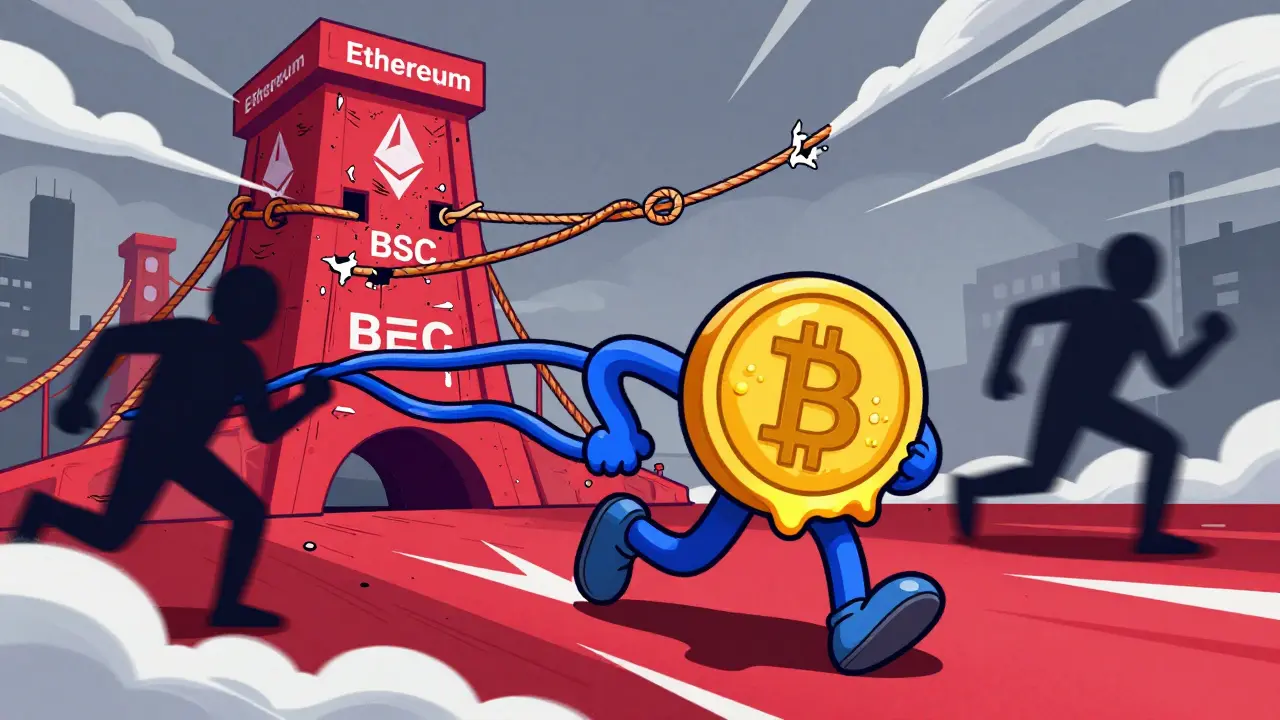
Additionally, while supporting both Ethereum and BSC sounded impressive, it introduced technical complexity. Bridging assets between chains often resulted in higher gas fees on the Ethereum side, negating the benefits of using the cheaper BSC network. Users found themselves stuck in a maze of transactions rather than enjoying seamless swaps.
Where Should You Trade Instead?
Since SwipeSwap is effectively offline, you need reliable alternatives. Your choice depends on whether you prefer the security of self-custody (DEX) or the convenience of a regulated entity (CEX).
For Decentralized Trading (DEX)
If you liked the idea of swapping tokens without KYC and keeping control of your private keys, look at these active platforms:
- PancakeSwap: Operating primarily on Binance Smart Chain, PancakeSwap offers low fees and high liquidity. It is the dominant DEX on BSC and has expanded to other chains. It supports many of the same tokens SwipeSwap did but with a much larger user base and active development.
- Uniswap: The original AMM protocol on Ethereum. Uniswap v3 and v4 offer advanced liquidity management tools. While Ethereum gas fees can be high, Uniswap also operates on Layer 2 networks like Arbitrum and Optimism, making trading cheaper.
- 1inch: A DEX aggregator that splits your trade across multiple platforms to get the best price. If you want to avoid slippage and high fees, 1inch finds the optimal route automatically.
For Centralized Trading (CEX)
If you need to buy crypto with fiat currency or want customer support, stick with established giants:
- Binance: With over 300 million users, Binance remains the market leader. It offers deep liquidity, low fees, and a wide variety of assets. Since they acquired Swipe originally, they have integrated many of Swipe's features into their own ecosystem.
- Coinbase: Ideal for US-based users due to strict regulatory compliance. Coinbase offers a user-friendly interface and institutional-grade security, though fees can be higher for retail users unless you use Coinbase Pro.
Red Flags to Watch For in New Exchanges
The demise of SwipeSwap serves as a cautionary tale. When evaluating any new crypto platform, keep these red flags in mind:
- Silence During Outages: Legitimate companies communicate during technical issues. If a site goes down and Twitter/X stays quiet for days, assume the worst.
- High Fees Without Value: If a DEX charges 0.30% or more without offering unique yield opportunities or exclusive tokens, users will leave for cheaper alternatives.
- Lack of Active Development: Check the GitHub repository. If code commits stop, the project is likely abandoned.
- Unverified Smart Contracts: Always ensure the contract addresses are verified on block explorers like Etherscan or BscScan. Unverified contracts can hide malicious code.
Never deposit large amounts into a platform that lacks transparency. The crypto space is full of "rug pulls" where developers drain liquidity and disappear. Stick to audited, well-known protocols.
Final Thoughts on SwipeSwap
SwipeSwap had potential. Its backing by Binance and its cross-chain vision were innovative for 2020. However, execution matters more than ambition. High fees, complex bridging, and eventual abandonment led to its downfall. As of 2026, do not attempt to use SwipeSwap. Your funds could be stuck in a void, or worse, targeted by scammers pretending to revive the brand.
Instead, direct your attention to robust, active platforms like PancakeSwap, Uniswap, or Binance. These exchanges have proven track records, active communities, and continuous development. In crypto, liquidity is life. Where there is no liquidity, there is no value. Choose platforms where the market is alive.
Is SwipeSwap still operational in 2026?
No. SwipeSwap has been reported as inaccessible since March 2023. There is no evidence of revival, and the platform is considered dead. Do not send funds to old SwipeSwap contract addresses.
What happened to the SXP token?
The SXP token was delisted from most major exchanges following the decline of SwipeSwap. While some small amounts may still exist on wallets, it has lost its primary utility and liquidity. Holding SXP carries significant risk with little prospect of recovery.
Why did SwipeSwap fail?
SwipeSwap struggled due to high trading fees (0.30%), complex cross-chain bridging issues, and intense competition from cheaper DEXs like PancakeSwap. The lack of communication during its downtime suggests organizational abandonment.
Can I recover my funds if I had them in SwipeSwap?
If your funds are in a personal wallet (like MetaMask), you still own the tokens, but they may be illiquid. If your funds were in the SwipeSwap liquidity pools, you likely cannot withdraw them as the smart contracts are inactive. Consult a blockchain expert for specific cases, but expect total loss.
What is the best alternative to SwipeSwap for BSC trading?
PancakeSwap is the leading alternative on Binance Smart Chain. It offers lower fees, higher liquidity, and active development. For Ethereum users, Uniswap remains the gold standard.
Did Binance acquire SwipeSwap?
Yes, Binance acquired Swipe Network in July 2020 and listed the SXP token. However, this acquisition did not prevent the eventual decline of the SwipeSwap DEX protocol.
Comments (11)
Caique Muniz
May 15, 2026 AT 11:30
lol another dead dex. swipe was always gonna flop with those fees and the bridge nonsense. typical crypto bro project that dies when the hype fades. glad i never touched it
Mike S
May 16, 2026 AT 02:39
oh look at me i know what a dex is. you really think this is news? everyone knew swipe was dead since 2023. writing a whole article about it in 2026 is just clickbait for people who actually lost money. pathetic.
Sudarshan Anbazhagan
May 16, 2026 AT 09:10
it is quite amusing to see such a lack of due diligence from the retail investors who fell for this scheme. the fee structure alone should have been a glaring red flag to any rational actor in the market. one must understand that high fees without corresponding value creation are simply a tax on ignorance. the fact that they supported multiple chains but failed to provide seamless interoperability is a testament to their technical incompetence. furthermore the silence during the outage was not merely negligence but likely a sign of internal collapse or worse malicious intent. we must learn from these failures and not repeat them by supporting projects that lack fundamental economic viability. the crypto space is littered with such corpses and it is our duty to avoid stepping on them again. do not expect sympathy from those who understood the risks from the start.
H F
May 17, 2026 AT 03:47
mate this is exactly why i stick to the big boys like binance or pancake. no point risking your stack on some ghost town protocol. great write up though helps clear up the confusion for newbies. keep doing your thing!
Kiran CS
May 18, 2026 AT 17:59
how utterly tedious. one would assume by now the masses would have developed a rudimentary understanding of smart contract audits and active development cycles. yet here we are discussing a platform that has been functionally extinct for three years. it is almost insulting to the intelligence of the reader to present this as a discovery rather than a historical footnote. the pretension of calling it a 'cross-chain vision' is laughable given the execution was abysmal. truly a case of ambition outstripping capability by a mile.
Destiny Kilby
May 18, 2026 AT 21:37
i can only imagine how frustrating it must have been for those who had funds stuck there. it is so sad to see projects fail like this especially when people put their trust in them. please be careful out there and always double check before you invest anything. it breaks my heart to see people lose money because of abandoned protocols.
Bijan Das
May 19, 2026 AT 18:19
typical indian tech startup gone wrong. probably ran away with the liquidity. dont trust these fancy words about cross chain interoperability its all just smoke and mirrors to scam the little guy. next time use common sense instead of reading some random review online.
Ashley Rodriguez
May 21, 2026 AT 14:21
i found this really helpful because i was wondering if i could still trade on it and now i know i cant which is good because i didnt want to lose my money. thanks for explaining all the other options too like pancakeswap and uniswap which sound much safer and more reliable for regular people like me who just want to swap tokens without getting scammed.
Shelby Cantu
May 22, 2026 AT 16:44
good info. stay safe out there.
Jerry CUNNINGHAM SR
May 23, 2026 AT 06:26
it is important to recognize the lessons learned from the decline of platforms like SwipeSwap. while the initial promise of cross-chain functionality was appealing the lack of sustained development and communication ultimately led to its demise. we should approach new opportunities with a balanced perspective considering both the potential benefits and the inherent risks. let us continue to support projects that demonstrate transparency and consistent progress in the evolving landscape of decentralized finance.
Bridget Coogle
May 24, 2026 AT 06:44
so true! always check the github activity and community engagement before putting in any funds. happy trading everyone!