Binance Chain: What It Is, How It Works, and Why It Matters in Crypto
When you hear Binance Chain, a high-speed blockchain built by Binance to handle fast, low-cost token transfers. Also known as BSC, it’s not just another blockchain—it’s the engine behind millions of daily trades, DeFi swaps, and token launches. Unlike Bitcoin or Ethereum, Binance Chain was never meant to be a general-purpose network. It was built for one thing: speed. And it delivers—transactions confirm in under a second, fees are pennies, and it handles massive volume without slowing down.
This speed comes from its design. Binance Chain uses a Byzantine Fault Tolerance consensus, which means it relies on a small group of trusted validators (mostly run by Binance itself) instead of thousands of miners. That’s why it’s faster than Ethereum, but also why critics call it more centralized. It’s a trade-off: you get speed and low cost, but you give up some of the decentralization you’d find on public chains. Still, for traders who want to swap tokens fast or launch a new coin without waiting days, Binance Chain is often the go-to.
It’s not just about trading. Binance Chain powers the BNB, the native token used to pay fees, stake, and participate in token sales on the network. BNB isn’t just a currency—it’s the fuel. You need it to interact with any app on Binance Chain, from decentralized exchanges like PancakeSwap to NFT marketplaces. And because Binance itself supports BNB on its platform, it’s one of the few tokens that flows seamlessly between a centralized exchange and a decentralized network. That’s rare.
Many people confuse Binance Chain with Binance Smart Chain (BSC). They’re related but different. Binance Chain handles token transfers. Binance Smart Chain, launched later, adds smart contract support—so you can run DeFi apps, lending protocols, and yield farms. Together, they form the backbone of Binance’s ecosystem. Most users don’t even notice the split—they just see "BSC" and think it’s all one thing. But knowing the difference helps you understand why some tokens live on one and not the other.
What does this mean for you? If you’re trading tokens, using DeFi apps, or chasing airdrops, you’re likely interacting with Binance Chain or BSC every day. The posts below show how it connects to real-world use cases: from P2P trading in Nigeria where BNB is a lifeline, to crypto exchanges in Iran that rely on it to bypass restrictions. You’ll see how it’s used in cross-border payments, how it enables gasless trading on new platforms like ADEN, and why some users avoid it entirely because of its centralization. You’ll also find warnings about scams tied to fake BSC airdrops and how to spot them.
This isn’t a theoretical network. It’s active, growing, and deeply tied to how millions of people trade crypto today. Whether you love it or question it, you need to understand it.
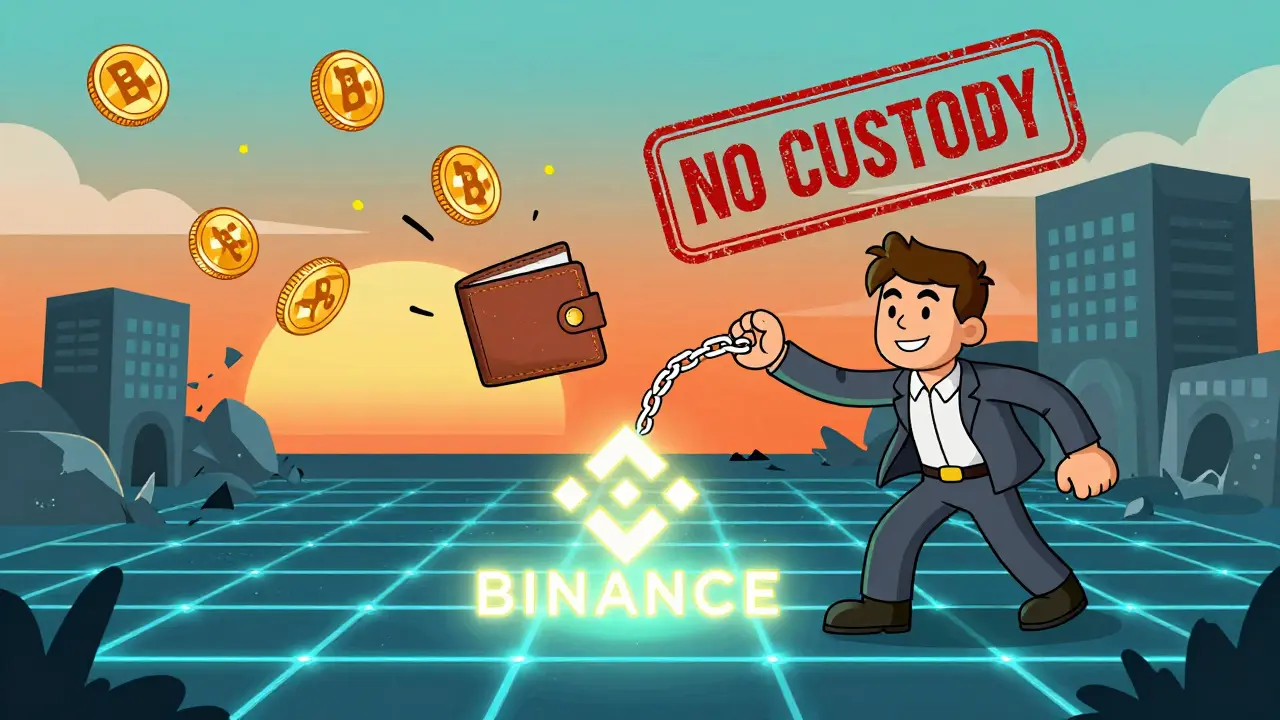
Binance DEX is a fast, secure decentralized exchange for trading BEP-2 tokens without giving up custody of your crypto. Learn how it works, its key limitations, and who should use it in 2025.