Binance DEX: What It Is, How It Works, and Why It Matters in 2025
When you trade on a Binance DEX, a decentralized exchange built by Binance that lets users trade directly from their wallets without surrendering control of their funds. Also known as Binance Chain DEX, it operates without intermediaries, meaning no KYC, no account freezes, and no third-party holding your coins. This isn’t just a technical detail—it’s a shift in power. If you’ve ever had funds locked up on a centralized exchange after a hack or regulatory crackdown, Binance DEX gives you a way out.
It’s not the only decentralized exchange out there, but it’s one of the few backed by a major player in crypto. Unlike Uniswap or Raydium, which run on Ethereum or Solana, Binance DEX runs on its own blockchain—Binance Chain—optimized for speed and low fees. That means swaps happen in seconds, not minutes, and costs are often under $0.01. But here’s the catch: you need crypto already. You can’t buy Bitcoin with USD on Binance DEX. You need to first get your coins onto a wallet like Trust Wallet or MetaMask, then connect it to the DEX. That’s why many users start on Binance’s centralized platform, swap to a token they want, then move it over to the DEX for safer, long-term trading.
That brings us to another key entity: decentralized exchange, a platform where users trade crypto directly from their own wallets, without a central authority holding their assets. Binance DEX is one example, but the bigger picture is this: DEXs are the only way to trade crypto freely in countries where CEXs are banned—like Iran, Nigeria, or India under certain restrictions. The posts in this collection show how people in restricted regions rely on DEXs to bypass sanctions, avoid account freezes, and keep trading when banks cut them off. Binance DEX doesn’t solve everything—it has no customer support, no fiat on-ramps, and a clunky interface—but it’s a lifeline when nothing else works.
And then there’s self-custody crypto, the practice of holding your own private keys instead of letting an exchange store them for you. This is the core idea behind Binance DEX. If you’re holding tokens like UBX, CAN, or even wrapped AMPL, you’re trusting a smart contract—not a company. That’s why the posts on dead meme coins and risky tokens matter. On a DEX, there’s no one to call when a token crashes. You’re on your own. That’s the trade-off: freedom for responsibility.
You’ll find posts here that compare Binance DEX to other DEXs like ADEN and Raydium. You’ll see how geography affects access. You’ll learn why some users avoid stablecoins on DEXs in sanctioned regions. And you’ll find real warnings about platforms that look like DEXs but aren’t—like NitroEx or fake airdrops pretending to be linked to Binance. This isn’t theory. These are real experiences from people who’ve lost money, escaped restrictions, or found freedom in code.
What you won’t find here is hype. No promises of quick riches. Just facts: how Binance DEX works, where it shines, where it fails, and who it’s really for. If you’re tired of being at the mercy of exchanges that freeze accounts, block countries, or vanish overnight, this collection shows you what’s possible when you take control.
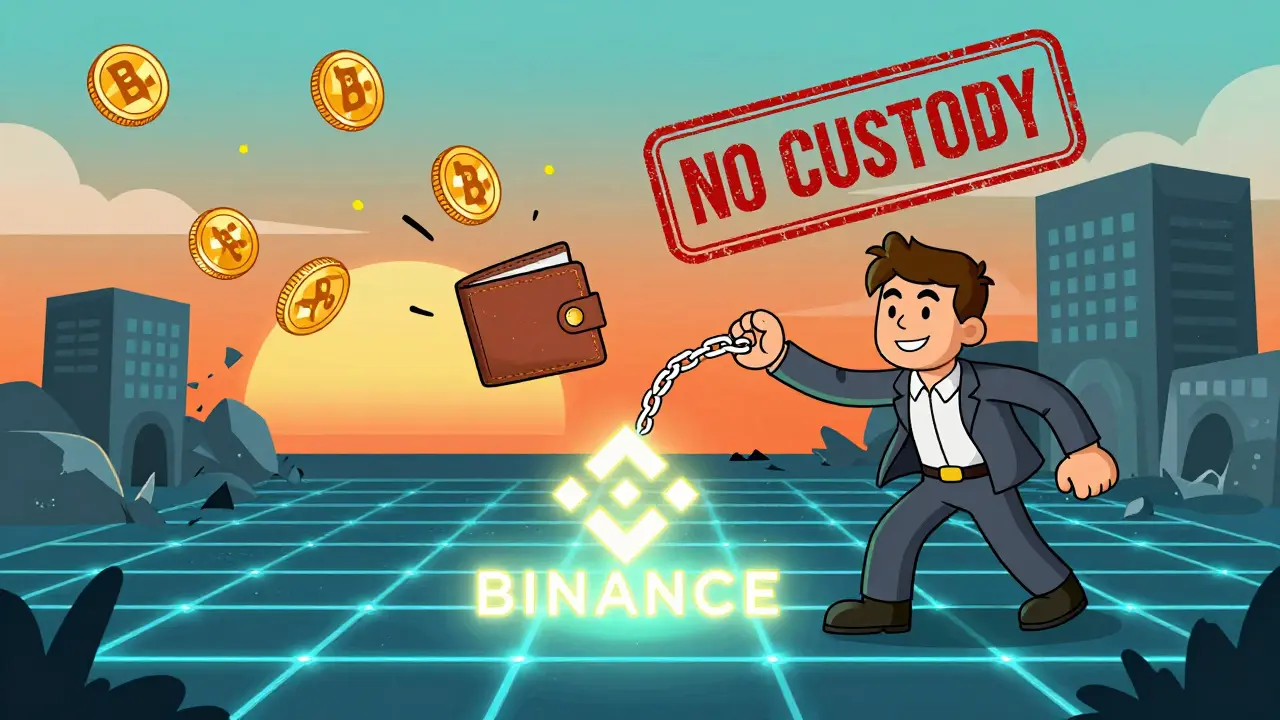
Binance DEX is a fast, secure decentralized exchange for trading BEP-2 tokens without giving up custody of your crypto. Learn how it works, its key limitations, and who should use it in 2025.