Block Reward: How Miners Get Paid and Why It Keeps Blockchain Alive
When you hear about block reward, the fixed amount of new cryptocurrency given to miners for validating a block of transactions. It's the main reason people run mining rigs — it’s not just about tech, it’s about getting paid. Without block reward, there’s no incentive to secure the network. Miners wouldn’t spend money on electricity, hardware, or cooling just to help others send Bitcoin. They do it because they get new coins — and sometimes transaction fees — in return.
This system is built into Proof of Work, the consensus mechanism that requires real computational work to add blocks to the chain. PoW is what makes Bitcoin tamper-proof. Every 10 minutes, a new block gets mined, and the miner who solves the puzzle first claims the block reward. In Bitcoin’s case, that started at 50 BTC and cuts in half roughly every four years. Today, it’s 3.125 BTC. That drop — called the halving — is a big deal. It slows down new coin supply, which affects price, miner profits, and network security.
Block reward isn’t just about Bitcoin. It’s the core economic engine for Litecoin, Bitcoin Cash, and other PoW chains. But it’s not the only payout. Miners also collect transaction fees, small payments users add to their transactions to get faster confirmation. As block rewards shrink over time, fees become more important. That’s why some worry: if miners can’t make enough from fees alone, will they still bother securing the network? Right now, the math still works. But it’s something every Bitcoin user should understand.
What you’ll find here are real explanations of how block reward ties into the bigger picture — from Merkle trees that verify transactions inside each block, to how difficulty bombs forced Ethereum away from mining, to why Bitcoin node counts matter for security. You’ll see how mining economics shape network behavior, how halvings impact markets, and why some projects are moving away from block reward entirely. No fluff. Just clear, practical insights from posts that dig into the mechanics, risks, and real-world consequences of how crypto gets created.
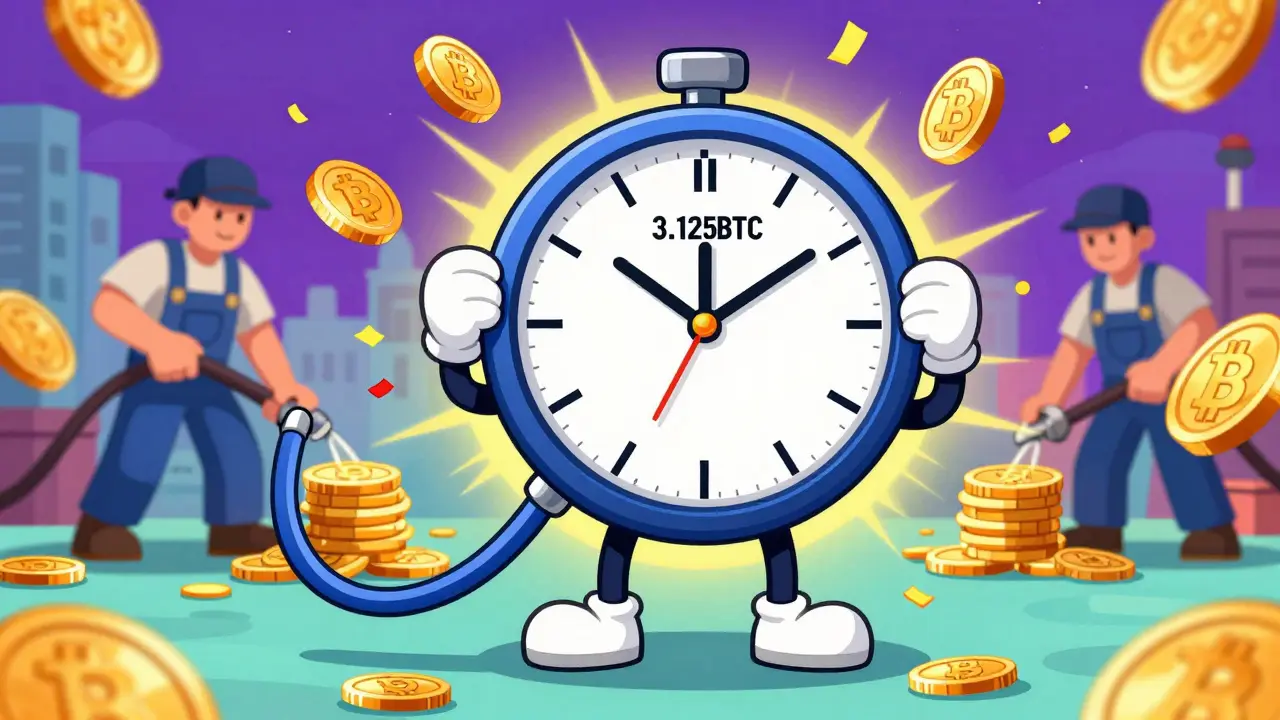
Block rewards are fading as Bitcoin nears its supply cap. The future belongs to transaction fees, liquid staking, modular chains, and AI-driven incentives. Here's how blockchain payouts will change by 2030.
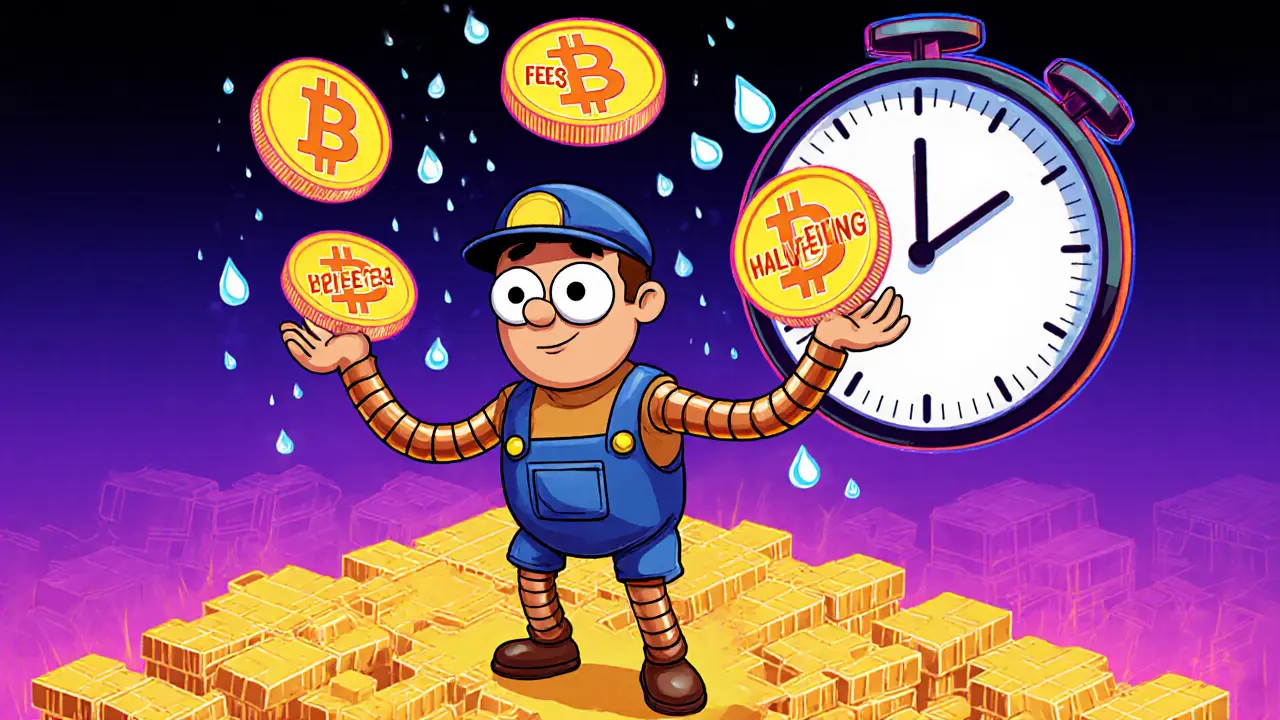
Block reward economics drive blockchain security by rewarding miners and validators with new coins and transaction fees. Bitcoin's halving creates scarcity; Ethereum's staking adjusts rewards dynamically. Understanding this is key to knowing how crypto networks survive long-term.