Crypto Regulations by State: What You Can and Can't Do in 2025
When it comes to crypto regulations by state, the patchwork of laws across U.S. states that determine whether you can trade, mine, or pay with cryptocurrency legally. Also known as state-level cryptocurrency laws, these rules decide if you’re breaking the law just by holding Bitcoin in your wallet. There’s no single federal rulebook—what’s legal in Texas could land you in trouble in New York.
Each state handles crypto taxes by state, how your cryptocurrency gains are taxed under local income or capital gains rules differently. Some treat crypto like property, others like currency. In California, you report every swap as a taxable event. In Wyoming, you don’t pay state income tax on crypto at all. Then there’s crypto legality, whether a state officially permits crypto use, mining, or exchange operations. States like Florida and Ohio have passed pro-crypto bills to attract businesses. Meanwhile, New York’s BitLicense creates a minefield of paperwork just to run a crypto service.
crypto compliance, the steps businesses and users must take to follow state and federal crypto rules isn’t optional anymore. If you’re running a crypto exchange, mining operation, or even just accepting crypto as payment, you need to know your state’s AML, KYC, and reporting rules. Some states require licenses. Others fine you for not filing crypto income. And if you’re using DeFi or earning interest on crypto? That’s a gray zone in most places—tax agencies are catching up fast.
It’s not just about money. It’s about access. In states with strict rules, you might not be able to use certain exchanges. In others, you can mine Bitcoin in your garage—but only if you pay a special fee. Some states ban crypto mining entirely because of energy use. Others give tax breaks to miners. The rules change so fast that even crypto-savvy people get caught off guard.
This collection dives into real cases: how Iranians bypass bans, how Russia uses crypto to dodge sanctions, and how U.S. states like Colombia (yes, it’s not a U.S. state, but the pattern is the same) handle crypto with no rules at all. You’ll find guides on what’s legal in your state, how to report crypto income without getting audited, and which exchanges are actually allowed to operate where you live. No fluff. No guesswork. Just what you need to stay on the right side of the law in 2025.
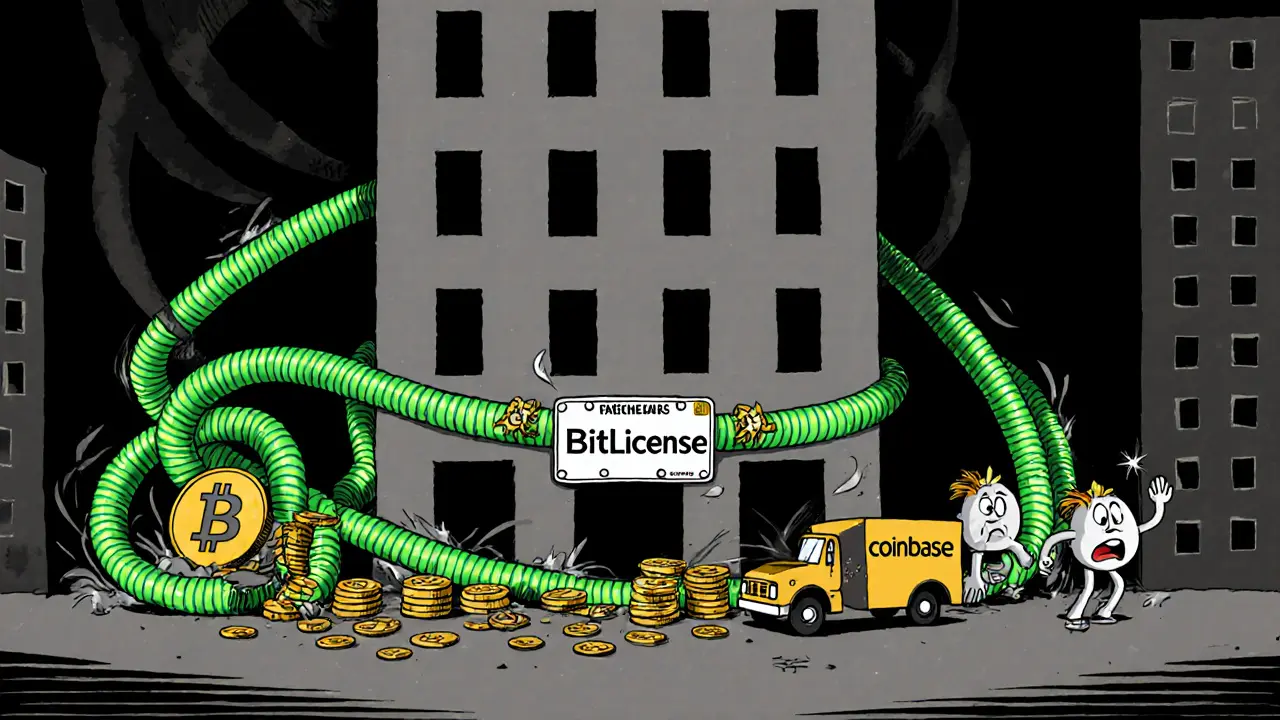
As of 2025, 47 U.S. states have their own crypto regulations - from New York's strict BitLicense to Wyoming's crypto-friendly banking laws. This guide breaks down what each state requires, how they impact users and businesses, and what the federal GENIUS Act means for the future.