Crypto Trading: How Global Restrictions, P2P Platforms, and Exchanges Shape Your Trades
When you trade crypto, you're not just buying and selling coins—you're navigating a patchwork of laws, platform rules, and geographic barriers. crypto trading, the act of buying, selling, or exchanging digital assets using online platforms. Also known as digital asset trading, it’s shaped more by where you live than by market trends. In Nigeria, people trade Bitcoin through P2P platforms like Binance and YellowCard because banks block crypto deposits. In India, you use UPI to buy crypto legally, but taxes change every year. In Iran, using Tether or local exchanges like Nobitex can get your account frozen. Crypto trading doesn’t have one rulebook—it has dozens, and they’re all changing.
That’s why P2P crypto trading, a peer-to-peer system where individuals trade directly without a central exchange. Also known as peer-to-peer crypto, it’s become the backbone of crypto access in restricted regions. It bypasses bank blocks, avoids KYC checks, and lets people trade fiat for crypto using mobile money, bank transfers, or even cash. But it’s not risk-free. Scammers pose as buyers, payment reversals happen, and exchanges like Bybit warn users about compliance traps. Meanwhile, CEX vs DEX, the choice between centralized exchanges like Kraken and decentralized ones like Raydium. Also known as centralized vs decentralized exchanges, it’s not just about control—it’s about access. CEXs block users by country. DEXs don’t, but you need crypto first. If you’re in a sanctioned country or can’t get fiat in, DEXs are useless without a workaround. And if you’re trying to trade derivatives, platforms like ADEN offer gasless trading—but they’re new, untested, and risky.
You’ll find posts here that show exactly how this plays out in real life. We break down how Nigerian traders use P2P to survive inflation, why Indian users rely on UPI, and which exchanges Iranians should avoid at all costs. We expose fake airdrops pretending to be tied to Cambridge or CoinMarketCap, and we warn you about exchanges like NitroEx that vanish with your funds. You’ll learn why Beldex isn’t an exchange but a privacy tool, and why Raydium is perfect for Solana users but useless if you don’t already own crypto. This isn’t theory. It’s what’s happening right now, on the ground, in places where traditional finance has turned its back.
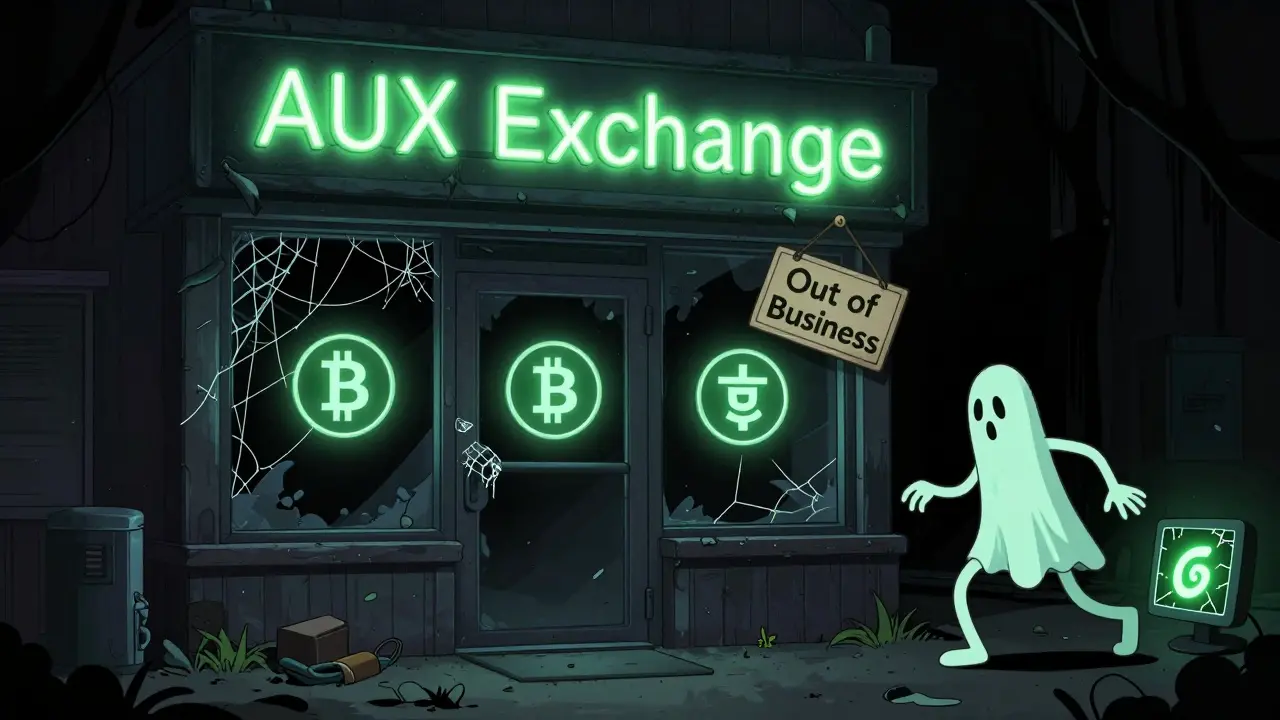
AUX Exchange is a high-risk, low-functionality crypto platform with only 3 trading pairs, no security, no fiat support, and zero user activity. Avoid it entirely-there are far safer, better alternatives.
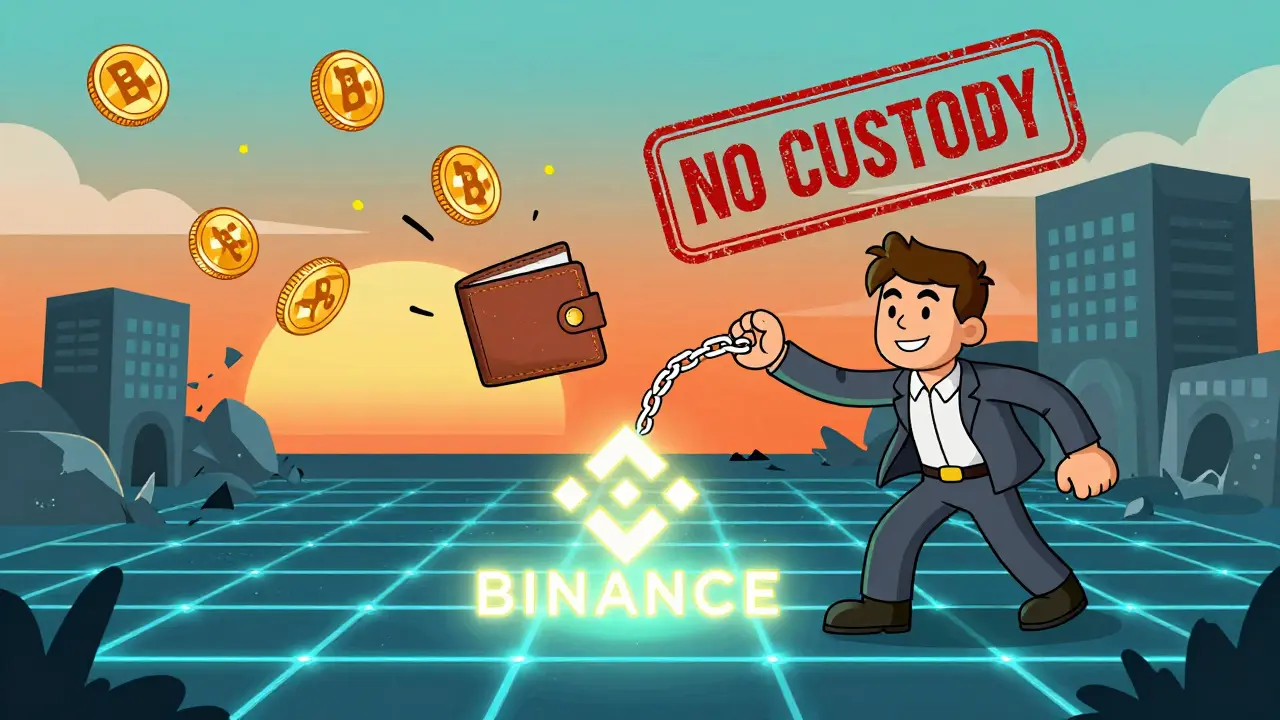
Binance DEX is a fast, secure decentralized exchange for trading BEP-2 tokens without giving up custody of your crypto. Learn how it works, its key limitations, and who should use it in 2025.