Crypto Trading Nigeria: P2P, Restrictions, and How Nigerians Trade Crypto in 2025
When it comes to crypto trading Nigeria, the way Nigerians buy, sell, and hold digital assets despite government restrictions and banking bans. Also known as peer-to-peer crypto trading, it’s not just a workaround—it’s the backbone of financial access for millions. With banks blocking crypto-related transactions and regulators issuing warnings, Nigerians didn’t stop trading. They adapted. They moved to platforms where they could trade directly with each other, using mobile money, bank transfers, and even cash meetups. This isn’t theory. It’s daily life for over 12 million Nigerians who use crypto as a store of value, a way to send remittances, or to buy goods when the naira keeps falling.
What keeps this system alive isn’t just desperation—it’s technology. P2P crypto trading, a system where buyers and sellers connect without a central exchange holding their funds. Also known as peer-to-peer crypto, it lets users trade USDT for Naira directly, bypassing banks entirely. Platforms like Binance P2P and Paxful became lifelines. But even these aren’t safe forever. As crypto sanctions, actions by the U.S. Treasury targeting platforms and stablecoins tied to illicit activity. Also known as OFAC crypto, they’ve started to ripple through global markets. In 2025, some P2P traders saw accounts frozen or payment methods blocked after exchanges tightened compliance. That’s why more Nigerians are turning to decentralized exchange, a non-custodial platform where you trade crypto without giving up control of your wallet. Also known as DEX, it’s the next step for those who want full ownership. DEXs like Binance DEX or Raydium don’t ask for ID. But here’s the catch: you need crypto already to use them. So most start with P2P to get in, then move to DEX to stay safe.
There’s no single way to trade crypto in Nigeria. It’s a layered system: P2P to enter, DEX to hold, and self-custody to survive. Many now keep their Bitcoin or USDT in hardware wallets or paper wallets—not on apps, not on exchanges. The Nigerian government can ban banks. They can pressure platforms. But they can’t shut down a decentralized network spread across thousands of phones and laptops. What you’ll find in the posts below are real stories, real risks, and real strategies. From how traders avoid scams on P2P platforms, to why some Nigerian users avoid Tether entirely, to how DEXs are becoming the new standard. This isn’t about speculation. It’s about survival, autonomy, and staying one step ahead.
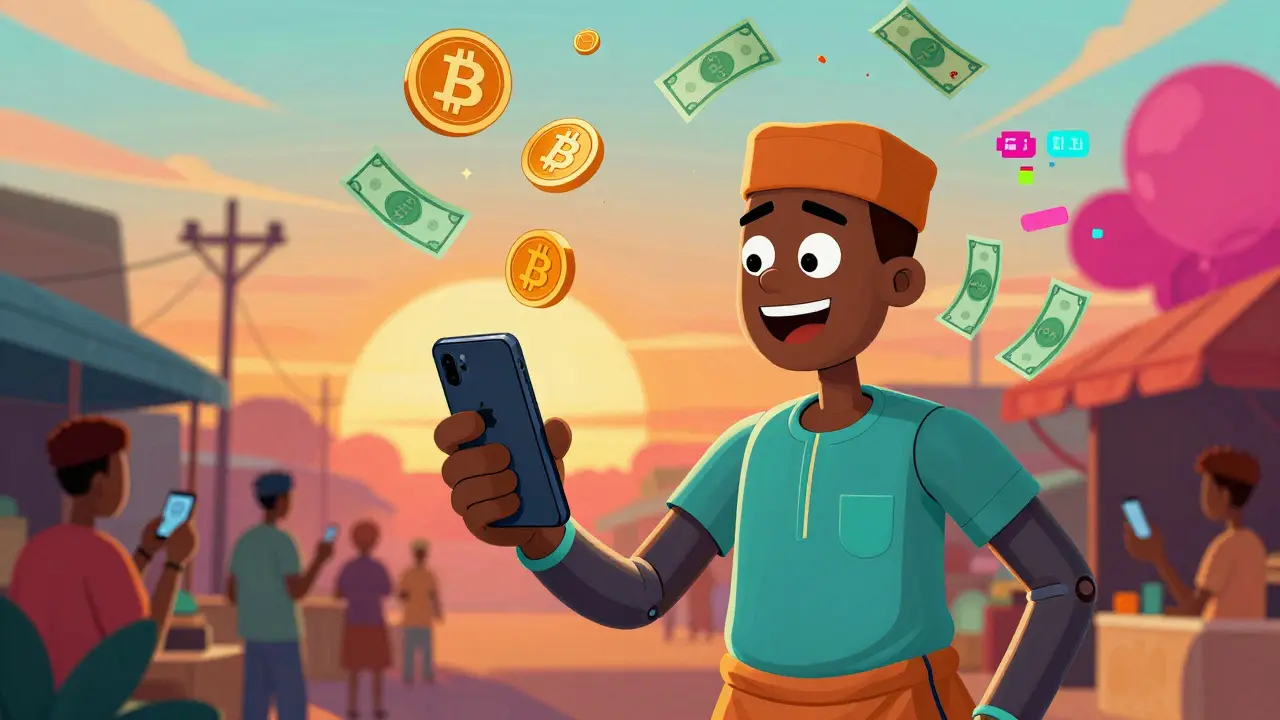
Nigeria's P2P crypto trading boom is driven by inflation, unbanked populations, and regulatory shifts. Learn how top platforms like Binance, YellowCard, and Bybit work in 2025, their fees, risks, and how to trade safely.