Decentralized Identifiers: What They Are and How They Give You Control Over Your Digital Identity
When you log into a website using Google or Facebook, you’re giving away pieces of your identity—your name, email, maybe even your location. But what if you could prove who you are without handing over your data? That’s where decentralized identifiers, unique, verifiable digital IDs that you control without relying on central authorities. Also known as DIDs, they let you own your identity the same way you own a crypto wallet. Unlike traditional logins, DIDs live on blockchains or distributed ledgers. They don’t store your personal info—they just give you a key to prove you’re you, without revealing anything extra.
This isn’t just theory. Real projects are already using self-sovereign identity, a system where individuals hold and manage their own identity data to sign contracts, access healthcare records, or verify credentials without middlemen. Think of it like a digital passport you carry in your wallet—no company holds a copy, and no one can take it away. blockchain identity, the use of blockchain to manage and verify digital identities securely is the engine behind this. It’s what makes DIDs tamper-proof and globally verifiable. You don’t need to trust a company—you just need to trust the math.
Why does this matter now? Because governments, banks, and even crypto platforms are starting to demand proof of identity. But if you’re using centralized systems, you’re giving up privacy and control. With DIDs, you decide what to share, when, and with whom. A doctor might ask for your vaccination record. A lender might want your credit history. With a DID, you can send just that—nothing more, nothing less. No tracking. No data mining. No third-party gatekeepers.
The posts below show exactly how this is playing out in the real world—from privacy-focused blockchains that use DIDs to protect user data, to projects building verifiable credentials for healthcare, finance, and even gaming. You’ll see how companies are trying to make identity work without compromising security, and why some of these efforts fail. Whether you’re curious about digital rights, tired of being tracked online, or just want to understand the next step in web technology, this collection gives you the facts—not the hype.
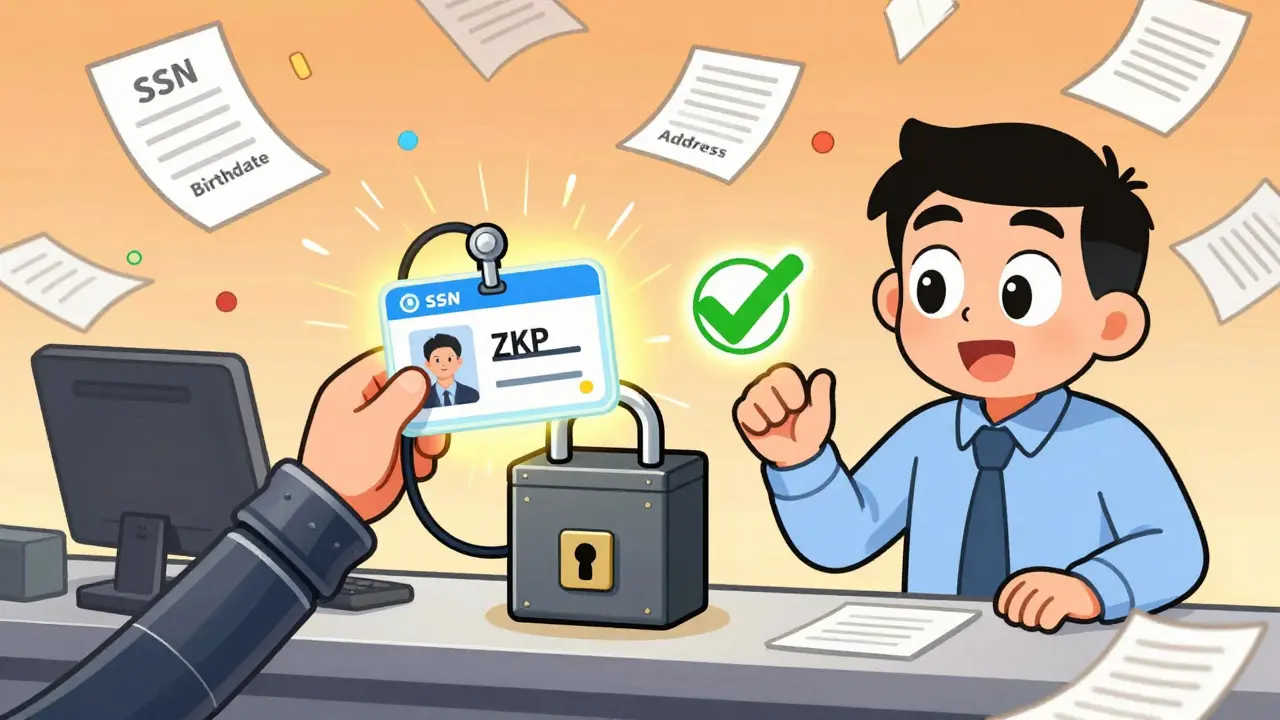
Privacy-preserving identity verification uses blockchain, zero-knowledge proofs, and decentralized IDs to let you prove who you are without sharing your personal data. It's transforming banking, healthcare, and government services.