DIDs: Decentralized Identifiers Explained for Web3 Identity
When you log into a website using Google or Facebook, you’re giving away control of your identity. Decentralized Identifiers, unique, verifiable digital identities that you own and control without relying on central authorities. Also known as DIDs, they let you prove who you are online using blockchain—without handing over your name, email, or phone number. This isn’t theory. It’s already being used by privacy-focused blockchains, DeFi platforms, and governments testing digital IDs.
DIDs work with zero-knowledge proofs, a cryptographic method that lets you prove something is true without revealing the underlying data. For example, you can prove you’re over 18 without showing your birth certificate. Or confirm you hold a specific crypto asset without revealing your wallet address. These aren’t just technical tricks—they solve real problems. If you’re in a country where banks freeze accounts or governments track spending, DIDs give you a way to access services without surrendering your privacy. They’re also the backbone of blockchain identity, a system where your digital identity is stored on a public ledger you control, making it tamper-proof and portable across apps.
Most people still think of crypto wallets as their identity. But wallets are just keys. DIDs are the name on the door. You can link your wallet to a DID, but the DID stays yours even if you switch wallets. That’s why projects like Beldex and Data Ownership Protocol use DIDs to let users verify credentials without exposing personal data. It’s not about anonymity—it’s about selective transparency. You decide what to share, when, and with whom. And with rising global scrutiny on KYC and data collection, DIDs aren’t just convenient—they’re becoming necessary.
Below, you’ll find real-world examples of how DIDs are being applied—from privacy tools that hide your identity to platforms that let you prove eligibility without giving up your data. These aren’t hypotheticals. They’re tools people are using right now to take back control of their digital lives.
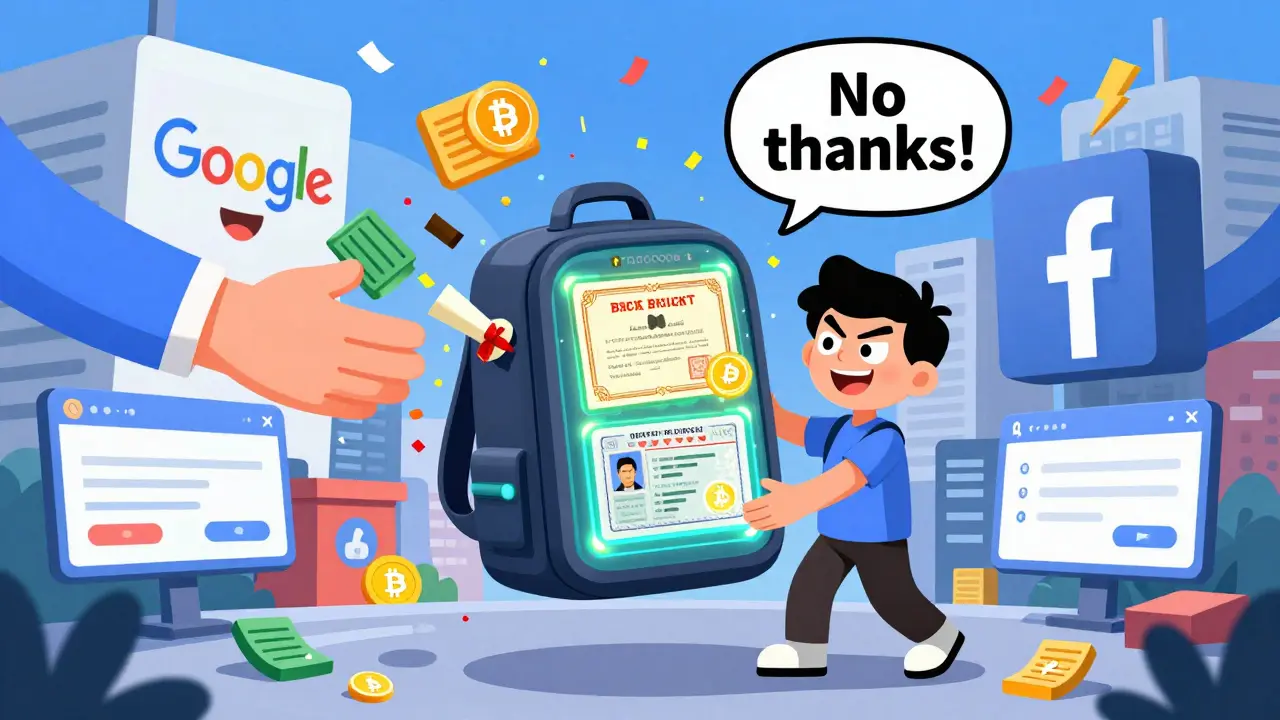
Self-sovereign identity on blockchain lets you own your digital identity instead of trusting companies with your data. Learn how DIDs, verifiable credentials, and blockchain work together to give you control, privacy, and security.