P2P Crypto Nigeria: How Peer-to-Peer Trading Keeps Finance Alive Under Restrictions
When banks block access and the naira crashes, P2P crypto Nigeria, a decentralized way to buy and sell cryptocurrency directly between people without a middleman. Also known as peer-to-peer crypto, it’s not a trend—it’s survival for millions in Nigeria who can’t use traditional finance. This isn’t about speculation. It’s about feeding families, paying for medicine, and sending money home when the system won’t let you.
What makes P2P crypto Nigeria work isn’t technology alone—it’s necessity. When banks freeze accounts for crypto transactions, when OFAC sanctions hit exchanges, when the Central Bank bans dollar access, people turn to local traders on platforms like Paxful, Binance P2P, and LocalBitcoins. They trade naira for USDT, Bitcoin, or even Ethereum, face-to-face or through bank transfers. The system is messy. Payments get reversed. Scammers exist. But the flow of value keeps going. And that’s why P2P crypto Nigeria has grown faster than any regulated exchange ever could.
It’s not just Nigeria. Similar systems run in Iran, Venezuela, and Myanmar. But Nigeria’s scale is unmatched. Over 30% of all African P2P crypto volume flows through Nigerian traders. Why? Because the population is young, mobile, and desperate for alternatives. They don’t need a fancy app. They need someone who’ll take naira and send crypto—fast. That’s the real engine behind this market. And while governments try to shut it down, the network just adapts. Wallets get smarter. Payment methods shift. Trusted traders build reputations. The rules change, but the need doesn’t.
What you’ll find below isn’t theory. It’s real stories, real risks, and real data from 2025. We’ve tracked how sanctions squeezed volumes, how exchange bans pushed more users into P2P, and why stablecoins like USDT dominate even when they’re risky. You’ll see how Nigerian traders avoid detection, what payment methods work best, and why self-custody is non-negotiable. No fluff. No hype. Just what’s happening on the ground—where crypto isn’t an investment. It’s a lifeline.
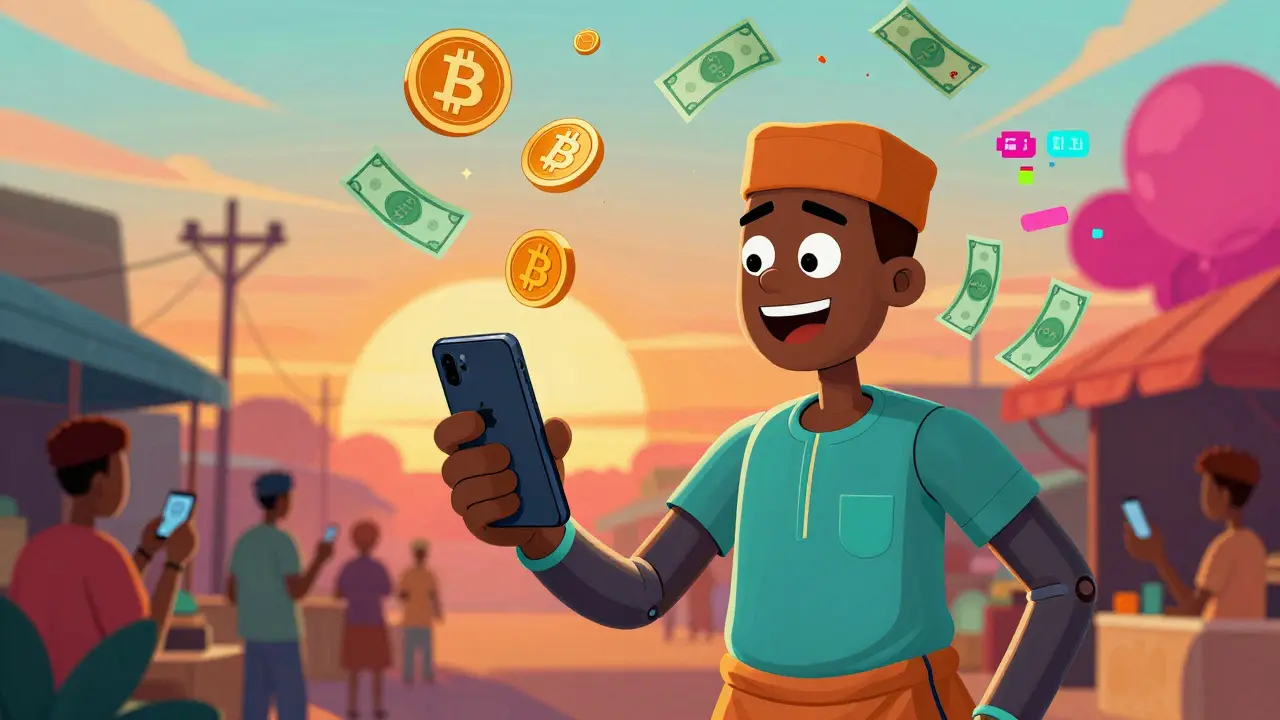
Nigeria's P2P crypto trading boom is driven by inflation, unbanked populations, and regulatory shifts. Learn how top platforms like Binance, YellowCard, and Bybit work in 2025, their fees, risks, and how to trade safely.