P2P Crypto Trading: How Peer-to-Peer Exchanges Work and Where to Use Them
When you trade crypto through a P2P crypto trading, a system where buyers and sellers exchange cryptocurrency directly without a central exchange holding their funds. Also known as peer-to-peer crypto, it’s how millions in Nigeria, India, and Iran buy Bitcoin using bank transfers, UPI, or cash—no KYC, no gatekeepers. This isn’t just for tech insiders. It’s the only way many people can access crypto when banks block them or governments restrict exchanges.
P2P trading relies on crypto exchanges, platforms that connect buyers and sellers, hold escrow funds, and mediate disputes. Also known as peer-to-peer platforms, they don’t own your coins—they just match trades. Binance P2P is the biggest, but YellowCard, Bybit, and local platforms in Latin America and Southeast Asia are growing fast. These platforms let you trade USDT for Nigerian naira, Indian rupees, or even cash in person. The key? You control your wallet the whole time. That’s the big difference from centralized exchanges. On a CEX, you hand over your crypto. On P2P, you keep it safe until the trade finishes.
But it’s not risk-free. Scammers fake payment screenshots. Sellers disappear after you send money. That’s why trusted platforms use escrow and reputation systems. A seller with 500+ successful trades and 99% rating is safer than a new account offering 10% below market rate. Also, geography matters. In Nigeria, P2P exploded because inflation made the naira unstable. In India, UPI made buying crypto with your phone easy. In Iran, P2P is the only way to bypass sanctions. Each region has its own rules, risks, and top platforms.
And it’s not just about buying Bitcoin. P2P is how people fund DeFi wallets, pay for services in crypto, or send money across borders without wire fees. It’s the quiet backbone of crypto adoption in places where banks won’t help. The posts below show you exactly how it works in real countries, which platforms to trust, what fees to expect, and how to avoid losing money. You’ll see real cases—from the Nigerian trader using Binance P2P to survive inflation, to the Indian user buying crypto with UPI in under 10 minutes. No fluff. Just what you need to trade safely and smartly.
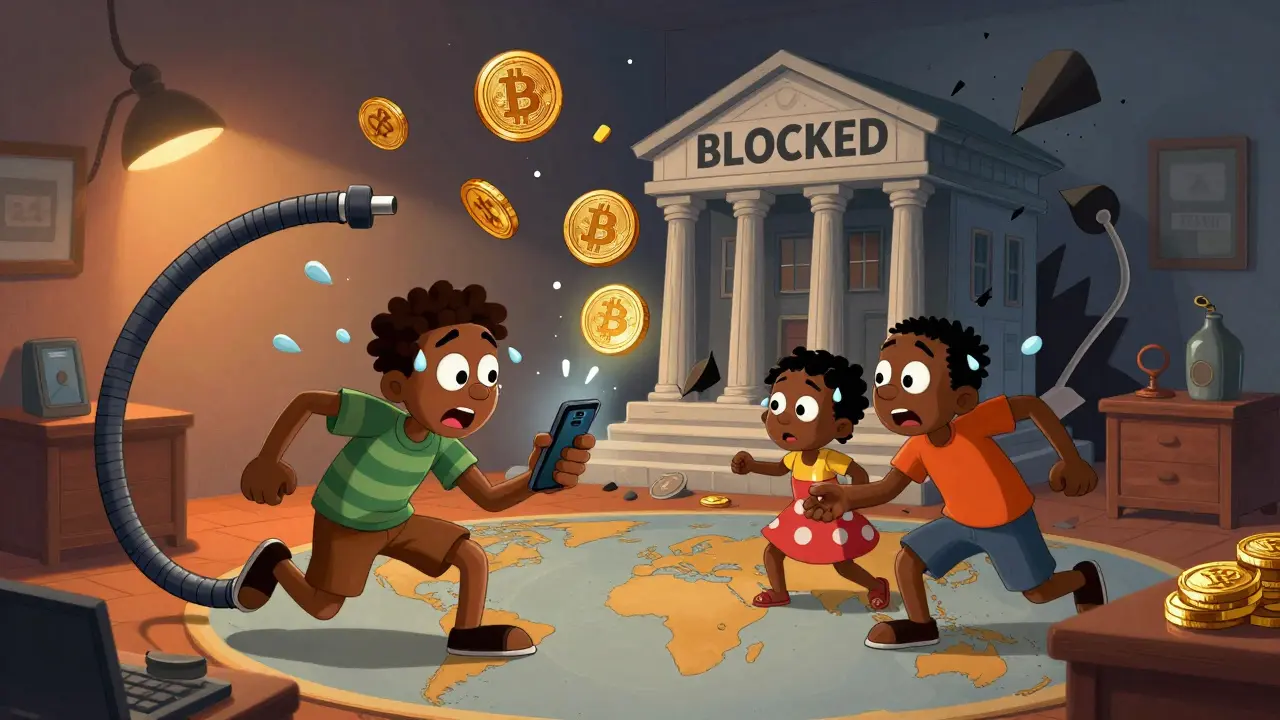
P2P crypto trading is the last financial lifeline in restricted countries-but sanctions, exchange bans, and compliance crackdowns are squeezing volumes. Here’s what’s really happening in 2025.